Black Pudding: Seared with Cider Apples
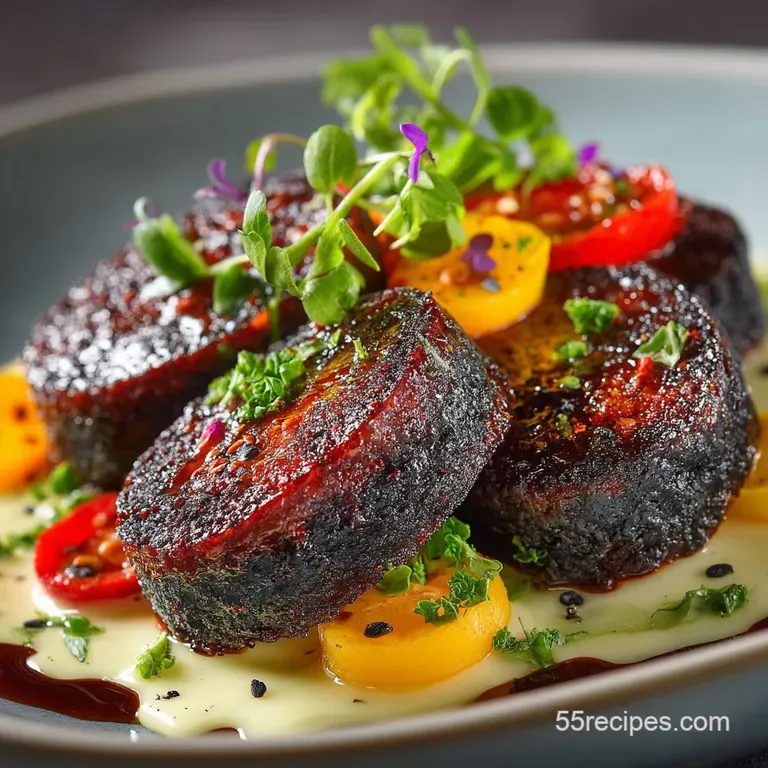
- The Black Pudding Rhapsody: Seared Rounds with Caramelised Apples and Cider Reduction
- Elevating the Classic: An Introduction to Seared Black Pudding Rounds
- The Culinary Science of this Pairing: Texture and Taste Contrast
- Essential Components for the Black Pudding Recipe
- Mastering the Method: Preparation and Plating
- Professional Pointers for a Flawless Finish
- Practical Kitchen Guide: Prep Ahead and Storage Solutions
- Sophisticated Pairings: What to Serve Alongside this Dish
- Recipe FAQs
- 📝 Recipe Card
The Black Pudding Rhapsody: Seared Rounds with Caramelised Apples and Cider Reduction
Elevating the Classic: An Introduction to Seared Black Pudding Rounds
That deep, earthy, slightly iron rich aroma hits you immediately. We’re talking about proper Black Pudding , the kind that tastes like history. It’s savory, deeply spiced, and when handled right, it develops the most incredible crispy crust, contrasting sharply with its creamy, almost fudgy center.
It’s far more sophisticated than people give it credit for.
Look, forget that dry, sad disc lurking on a hotel breakfast buffet plate. This particular Black Pudding recipe is a kitchen lifesaver because it’s ridiculously fast we’re talking 30 minutes start-to-finish and it transforms a humble ingredient into a genuinely impressive, bistro quality starter.
It proves that cheap, accessible ingredients can yield luxury results.
I’ve spent years messing up this classic by overcooking it or pairing it badly, but I finally nailed the technique. This perfect combination of sharp apples and a glossy, rich reduction is guaranteed to make your homemade Black Pudding truly brilliant.
Let’s crack on and elevate this dish immediately.
The Culinary Science of this Pairing: Texture and Taste Contrast
The reason this pairing is legendary beyond tradition comes down to basic chemistry: fat needs acid, and creaminess needs crunch. high-quality Black Pudding is rich, dense, and full of warming spices. If you eat it alone, it can feel heavy.
By introducing tart apples and the vinegary complexity of the cider reduction, we achieve a necessary palate cleanse, cutting through that richness effortlessly.
Beyond the Fry-Up: A Sophisticated Starter
We are actively moving this ingredient away from the breakfast plate and onto the dinner table. When you slice your Black Pudding into thick, even rounds and sear it fiercely, you create textural contrast that elevates the whole experience.
It stops being a dense filler and starts acting like a stunning, spiced, savory cake.
What Defines Premium Black Pudding Quality?
If you are going to go to the effort of making this show stopping plate, you must start with the best product you can find. A great Black Pudding should have visible flecks of fat and seasoning; it shouldn't look homogenous or grey.
Look for regional names like Bury or Stornoway these producers have mastered the complex blending and spicing that gives the pudding its depth.
The Perfect Trifecta: Irony Savouriness Meets Sweet Tartness
The irony and deep savouriness inherent in traditional Black Pudding are actually complementary to sweet elements. Think of how ham pairs with pineapple, or liver with fig jam.
Here, the slightly sweet caramelised apples meet the earthy depth of the sausage, and the reduction ties everything together with a tangy bow.
Achieving the Crispy Exterior and Creamy Core
The trick, which I learned the hard way (hello, crumbly mess!), is high heat and short cooking time. You need to sear the sliced Black Pudding fast enough to form a beautiful, dark brown crust without letting the interior dry out or fall apart.
We aren't heating it slowly; we are frying it quickly.
Balancing the Earthiness: Role of the Cider Reduction
The reduction isn't just a sauce; it’s a flavour amplifier. When you pour the dry cider and stock into the hot pan, it immediately grabs all those deeply browned, intensely flavorful bits left behind by the searing process the fond .
This ensures the final sauce is savory, glossy, and carries the residual flavour of the cooked Black Pudding .
Acidity vs. Richness: Why Apples Cut Through the Fat
Apples are crucial. We need a firm, slightly tart apple variety (like Braeburn) that won't turn into mush under heat. The fruit provides texture and a necessary sharp sweetness. This sweetness, coupled with the acidity from the balsamic vinegar in the reduction, prevents the whole dish from feeling too heavy and ensures every bite of the Black Pudding feels fresh.
Essential Components for the Black Pudding Recipe
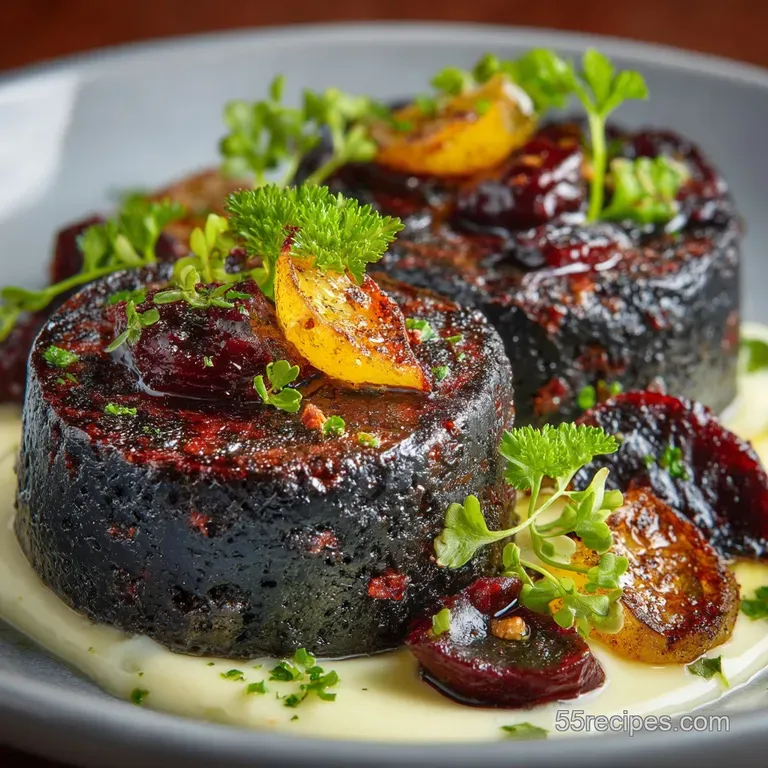
You absolutely must have high-quality ingredients if you want to achieve the optimal taste profile for this refined Black Pudding dish. Don't skimp on the pudding itself, or the cider.
Selecting Your Specimen: Blood Sausage and Binder Options
As mentioned, choose a well regarded artisanal producer. It makes all the difference in spicing and texture. Make sure you remove the thick synthetic casing before you slice the Black Pudding rounds, or it will be chewy and unpleasant.
| Ingredient | My Recommendation | Viable Substitute |
|---|---|---|
| Black Pudding | Stornoway or Bury brand | high-quality White Pudding (requires slightly less cook time) or Morcilla (Spanish blood sausage). |
| Searing Oil | Olive Oil or Grapeseed | Rendered duck fat (adds incredible depth) or clarified butter (ghee). |
| Stock | Low Sodium Chicken Stock | Vegetable stock or a rich pork stock. |
Choosing the Right Apple Variety for Caramelisation
A soft apple (like McIntosh) will disintegrate when sautéed. We need structure and firmness here. Braeburns or Cox's Orange Pippins hold up beautifully and provide that essential tart snap against the creamy Black Pudding .
Don't peel them, either; the skin adds texture and holds the wedge shape better.
Clarified Butter vs. Rendered Fat: The Best Searing Medium
While I list olive oil, if you want truly next level flavour, render a small amount of duck or goose fat. That fat carries flavour far better than oil and gives the crust on the Black Pudding a golden, crispy finish that is simply unmatched.
If you are already rendering fat for a side dish, like potatoes, use it here!
Cider Selection: Dry vs. Sweet for the Reduction Base
This is non-negotiable: use dry, still cider. If you use a sweet, carbonated cider, you'll end up with a sticky, overly sweet syrup before the liquid has reduced enough to concentrate the savory flavour. If you truly can't find dry cider, use a crisp, dry white wine perhaps a Pinot Grigio.
Mastering the Method: Preparation and Plating
This process requires attention, particularly when dealing with the pan heat, but it’s straightforward if you follow the steps. Remember to have everything sliced and measured out before you start.
Step 1: Preparing the Caramelised Apple Slices
Melt the butter over medium heat until it foams and subsides, indicating the water is cooked out. Add your apple wedges and the small amount of brown sugar. Toss them gently. Cook until they are tender and slightly golden about 6 minutes.
They should be just soft, still holding their integrity. Remove these apples immediately so they stop cooking and set them aside.
Step 2: Rendering the Cider Reduction to Nappe Consistency
Return the pan to high heat. Add the dry cider, scraping up all those beautiful brown bits. Add the stock. Boil rapidly until the liquid coats the back of a spoon this is the nappe consistency. This usually takes 5- 8 minutes.
Do not walk away here; reductions can go from perfect to burnt tar in seconds!
Chef's Note: If your reduction is getting too thick too fast, simply add a splash more stock to loosen it up and continue reducing until you hit the desired viscosity.
Step 3: Achieving the Perfect Sear on the Rounds
Heat the oil over medium high heat until it shimmers. Place the thick slices of Black Pudding in the pan, ensuring there is plenty of space between them. Sear for 2- 3 minutes until deeply browned and crisp. Flip gently and repeat.
This rapid searing is essential for great Black Pudding . Remove immediately and keep warm while you finish the sauce.
Step 4: Assembling the Plate for Maximum Impact
Take the sauce off the heat. Whisk in the cold butter and balsamic vinegar to add gloss and crucial acidity. Taste and adjust seasoning it should be savory, glossy, and slightly tart.
Place two warm, seared Black Pudding rounds on the plate, arrange the caramelised apples next to them, and spoon the reduction over the top. A tiny scatter of fresh thyme or chives completes the professional look.
Professional Pointers for a Flawless Finish
I’m telling you this because I once spent a small fortune on high end Black Pudding only to have it crumble everywhere. Don’t repeat my mistakes!
Preventing the Pudding from Crumbling During Cooking
This usually happens if the heat is too low, or if the pudding slices are too thin. If the pan isn't hot enough, the binder (usually oatmeal or barley) starts to break down before a crust forms. High heat equals fast crust development. Also, avoid excessive handling; flip only once.
Troubleshooting a Reduction That Won't Thicken
If your sauce is still watery after 8 minutes, turn the heat up slightly and ensure it is at a rapid, rolling boil. If it absolutely refuses to thicken, whisk in 1/4 teaspoon of cornstarch mixed with cold water, and boil for one more minute.
I prefer the natural reduction method, but sometimes kitchens just need a nudge.
The Ideal Internal Temperature for Serving
Since quality Black Pudding is usually already cooked (it is a cured sausage product), we are simply reheating and crusting it. You want it piping hot throughout, but the interior should remain moist and creamy, not crumbly. The visual cue is the dark, crisp crust and slightly softened center.
Practical Kitchen Guide: Prep Ahead and Storage Solutions
This recipe is simple, but knowing what you can tackle ahead of time makes entertaining much smoother. You don’t want to be reducing sauce while your guests are arriving.
Refrigerating Pre-Seared Components
You can slice the Black Pudding rounds a day ahead and store them tightly covered in the fridge. You can also make the cider reduction entirely ahead of time. Keep it refrigerated, then gently reheat it in a small pan, mounting with the final tablespoon of butter just before serving.
Can You Freeze Cooked Black Pudding?
Yes, technically, but I strongly advise against freezing cooked Black Pudding that has been sliced and seared. The texture degrades significantly upon thawing and reheating, often resulting in a dry, mealy consistency.
Buy the sausage fresh, store it raw, and only cook what you need for that sitting.
Starchy Complements: Crisp Potato Röstis or Mash
While this dish is sophisticated enough to stand alone, sometimes you just need a perfect starchy companion. A crisp potato rösti is brilliant, mirroring the exterior texture of the seared Black Pudding . Or, if you are looking for comfort, a smooth, buttery mash works beautifully perhaps alongside my famous Spiced Sweet Potato Pudding: The Ultimate Comfort Dessert if you're feeling ambitious and want a sweet/savory contrast.
Sophisticated Pairings: What to Serve Alongside this Dish
This seared Black Pudding with reduction is rich and assertive, so it needs robust companions. For a main course, you could follow this with something equally powerful, like Blackened Grouper: Bayou Spice in Every Bite! , keeping the deep, complex seasoning theme going.
For a fresh, palate cleansing side, a simple handful of peppery watercress or rocket dressed with quality olive oil and a squeeze of fresh lemon juice is all you need. You want something clean to cut through the richness of the glorious Black Pudding and glossy sauce.
It’s an easy, impressive way to finish a meal.
Recipe FAQs
Why did my black pudding rounds crumble when I tried to sear them?
Crumbling usually happens if the rounds are sliced too thinly or if the pan is not hot enough when they are introduced, causing them to stick. Ensure your slices are at least 1 inch thick for structural integrity, and pre-heat your fat or oil until shimmering before gently placing the rounds in the pan.
Avoid turning them too early; allow a robust crust to form first.
Do I need to remove the casing before cooking the black pudding?
Whether you remove the casing depends entirely on the type used; natural hog casings are usually edible and help the rounds hold their shape during searing. However, if the pudding is encased in a manufactured plastic sleeve, this must be removed before cooking.
If the casing is tough or plastic like after cooking, simply peel it off before plating.
Can I use white pudding instead of black pudding in this recipe?
Yes, white pudding (made with fat, oatmeal, and spices but no blood) is a suitable textural substitute and pairs well with apples. However, the flavour profile is much milder and less earthy or ironic than black pudding, so you will lose some of the recipe's signature richness.
You may need to adjust your seasoning slightly to compensate for this difference.
What other fruits pair well with black pudding if I don't like apples?
Black pudding pairs beautifully with tart and sweet fruits that can cut through its richness. Excellent alternatives to apples include ripe pears, which offer similar sweetness and structure, or sharp cranberries/redcurrants for a strong contrast.
For a more sophisticated savoury pairing, consider serving it with balsamic glazed onions or prunes soaked in Armagnac.
Is there a reliable vegan or vegetarian substitute for black pudding?
Yes, several commercially available vegan black pudding alternatives exist, typically relying on ingredients like black beans, barley, and beetroot for colour and texture. These substitutes capture the spice and heft of the original.
If using a vegan alternative, ensure it is firm enough to hold up to the searing process without disintegrating.
Can I freeze unused raw black pudding?
Raw, uncooked black pudding freezes very well and will maintain its quality for up to three months. To prevent freezer burn, wrap the unused portion tightly in cling film, followed by aluminum foil or a freezer safe bag. Always thaw it slowly overnight in the refrigerator before slicing and cooking.
How long can I store leftover cooked black pudding?
Cooked black pudding should be treated like any cooked meat product and refrigerated promptly after cooling. Store it in an airtight container for a maximum of three days. When reheating, ensure it reaches an internal temperature of 165°F (74°C) throughout before serving again.
Seared Black Pudding With Apples
Ingredients:
Instructions:
Nutrition Facts:
| Calories | 400 calories |
|---|---|
| Fat | 25 g |
| Fiber | 3 g |
