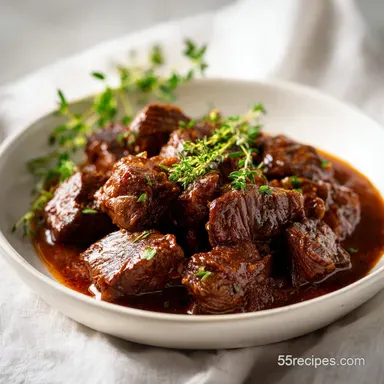
Slow Cooker Beef Stew: Tender and Hearty
- Time:20 minutes active + 8 hours cooking = Total 8 hours 20 mins
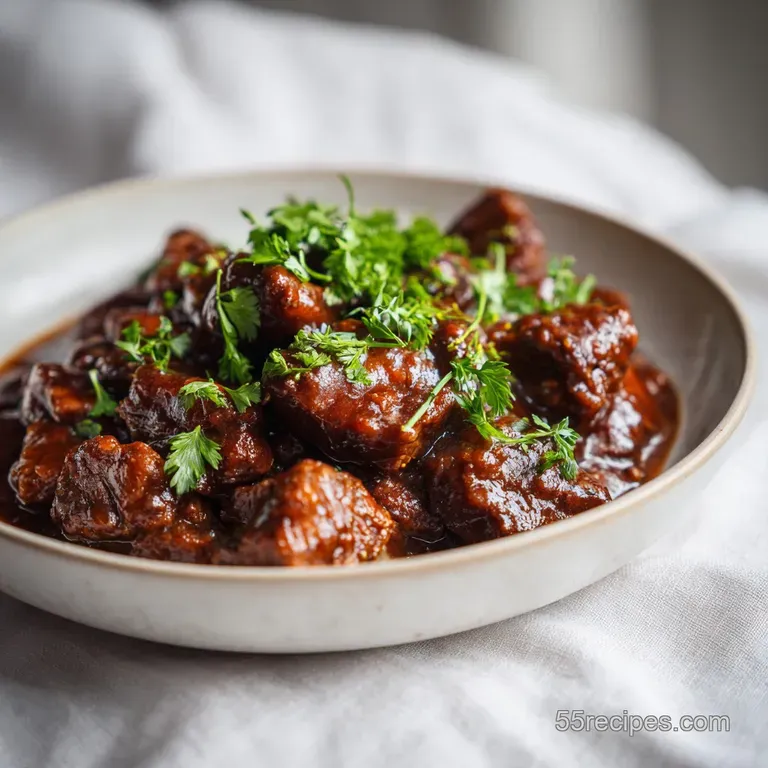
- Flavor/Texture Hook: Velvety gravy with mahogany crusted beef
- Perfect for: Lazy Sundays, meal prep for the week, or rainy day comfort
- Beef Stew Recipe Slow Cooker
- Secrets to Tender Beef
- Component Analysis
- Pantry and Produce Needs
- Necessary Kitchen Tools
- Step by Step Guide
- Fixing Common Stew Mistakes
- Troubleshooting Common Issues
- Customizing Your Stew
- Adjusting Batch Sizes
- Debunking Stew Myths
- Storage and Zero Waste
- The Best Ways to Serve
- Recipe FAQs
- 📝 Recipe Card
Beef Stew Recipe Slow Cooker
The sound of a heavy skillet sizzling with beef is the only way I want to start a Sunday. There is something about that specific aroma - the smell of browning meat and garlic hitting hot oil - that tells everyone in the house that dinner is going to be a hug in a bowl.
I remember the first time I tried to skip the searing step because I was in a rush; the result was a pale, bland broth and meat that felt rubbery. It was a lesson learned the hard way: the effort you put in at the start is where all the soul of the dish lives.
This beef stew recipe slow cooker method is designed for those moments when you want the house to smell like a cozy cottage for eight hours straight. It's the kind of meal that makes you want to put on your thickest socks and ignore the world outside.
I've spent a lot of time tweaking the veg to meat ratio so you don't end up with a pot of carrots and a few lonely cubes of beef.
You can expect a rich, mahogany colored gravy and vegetables that hold their shape but are tender enough to crush with a fork. We're not going for a thin soup here; we're aiming for a thick, velvety consistency that clings to the meat. Trust me, the wait is worth it.
Secrets to Tender Beef
When you're making a beef stew recipe slow cooker style, you're essentially fighting a battle against tough muscle fibers. Here is what is actually happening inside that pot:
- Collagen Breakdown: Beef chuck is full of collagen. Over 8 hours, this tough protein transforms into gelatin, which gives the meat a silky texture and makes the sauce feel rich.
- The Fond Effect: Those brown bits stuck to the pan after searing are called the fond. When we scrape them into the slow cooker, we're adding concentrated flavor that you just can't get from raw meat.
- Slurry Thickening: Adding cornstarch at the very end prevents the sauce from becoming gluey. It creates a glossy, transparent finish rather than a cloudy, floury one.
- Veggie Timing: Using thick cut carrots and baby potatoes prevents them from disintegrating into mush during the long simmer.
Depending on how you like your consistency, you might choose a different approach. I usually stick to the classic slow method, but some prefer a faster version for weeknights.
| Feature | Fast Track (High) | Classic (Low) | Best For |
|---|---|---|---|
| Cooking Time | 4-5 hours | 8 hours | Texture preference |
| Meat Texture | Tender | Meltingly soft | Patience level |
| Flavor Depth | Good | Deep & Complex | Special occasions |
The difference really comes down to how the proteins break down. The slower the heat, the more time the connective tissues have to liquefy.
Component Analysis
Understanding why we use these specific ingredients helps you make better choices if you're missing something in the pantry.
| Ingredient | Science Role | Pro Secret |
|---|---|---|
| Beef Chuck | Collagen source | Cut into exactly 1 inch cubes for even cooking |
| Tomato Paste | Umami booster | Sauté it briefly to remove the "raw" metallic taste |
| Worcestershire | Acid & Depth | Adds a fermented tang that cuts through the fat |
| Cornstarch | Thickening agent | Always mix with cold water first to avoid lumps |
It is important to remember that the quality of your beef dictates the final result. According to [Serious Eats](https://www.seriouseats.com), choosing a cut with plenty of marbling ensures the meat stays moist during long cooking cycles.
Pantry and Produce Needs
Get everything laid out before you start. There is nothing worse than realizing you're out of tomato paste when the beef is already browning.
For the Beef & Sear
- 2 lbs beef chuck, trimmed of excess fat and cubed into 1 inch piecesWhy this? High collagen content makes it tender
- 2 tbsp olive oilWhy this? High smoke point for searing
- 1 tsp sea salt
- 1/2 tsp cracked black pepper
For the Hearty Base
- 1 large yellow onion, dicedWhy this? Balanced sweetness and sharpness
- 3 cloves garlic, minced
- 4 cups low sodium beef brothWhy this? Controls salt levels in the final reduction
- 2 tbsp tomato pasteWhy this? Adds color and rich acidity
- 1 tbsp Worcestershire sauce
- 1 bay leaf
- 1 tsp dried thyme
For the Vegetables
- 3 large carrots, peeled and sliced into thick roundsWhy this? Thick cuts survive 8 hours
- 1.5 lbs baby potatoes, halvedWhy this? Waxy texture stays firm
- 2 stalks celery, sliced
- 1 cup frozen peasWhy this? Added at the end for bright color
For the Finishing Touch
- 2 tbsp cornstarch
- 2 tbsp cold water
- 1 tbsp fresh parsley, chopped
If you can't find beef chuck, you can use stew meat, but be careful. Pre cut stew meat is often a mix of different cuts, and some pieces might get tender while others stay tough.
| Original Ingredient | Substitute | Why It Works |
|---|---|---|
| Beef Chuck (2 lbs) | Beef Shoulder (2 lbs) | Similar fat content. Note: Slightly leaner, may need 30 mins more |
| Baby Potatoes (1.5 lbs) | Yukon Gold (cubed) | Great buttery flavor. Note: Cut larger to avoid mush |
| Beef Broth (4 cups) | Beef Stock (4 cups) | More concentrated flavor. Note: Reduce salt in seasoning |
| Dried Thyme (1 tsp) | Dried Rosemary (1 tsp) | Woodsy aroma. Note: Stronger flavor, use a pinch less |
Adding a bit of espresso powder or a splash of dark beer can also deepen the color of the gravy if you want a more intense profile.
Necessary Kitchen Tools
You don't need a professional kitchen, but a few specific tools make this beef stew recipe slow cooker project much easier.
- 6 Quart Slow Cooker: This size allows the liquid to bubble without overflowing and gives the meat room to move.
- Cast Iron Skillet: Essential for that mahogany crust. Non stick pans don't develop fond as well.
- Whisk: To ensure your cornstarch slurry is completely smooth.
- Tongs: For flipping beef cubes without piercing them and losing juices.
Chef's Note: If you have a slow cooker with a "sear" function, you can use it, but a stovetop skillet is still faster and gives you more control over the heat.
Step by step Guide
Let's get into it. Follow these steps, and pay attention to the smell checkpoints - they'll tell you if you're on the right track.
- Heat olive oil in a skillet over medium high heat. Season beef with salt and pepper, then brown the beef in batches until a mahogany crust forms on all sides. Note: Don't crowd the pan or the meat will steam instead of sear. Transfer the browned beef to the slow cooker.
- In the same skillet, sauté diced onions and minced garlic for 3 minutes until fragrant and translucent. Scrape the brown bits (fond) from the pan into the slow cooker using a splash of broth if needed.
- Stir in the beef broth, tomato paste, Worcestershire sauce, dried thyme, and the bay leaf. SMELL CHECK: You should smell a rich, savory aroma of toasted garlic and beef.
- Nestle the halved baby potatoes, sliced carrots, and sliced celery into the liquid. Ensure the vegetables are mostly submerged.
- Cover and cook on Low for 7-8 hours (or High for 4-5 hours) until the beef is fork tender and pulls apart easily.
- Whisk together cornstarch and cold water in a small bowl to create a slurry.
- Stir the slurry into the stew during the last 30 minutes of cooking. SMELL CHECK: The aroma should shift from "soupy" to "stewy" as the sauce thickens.
- Once the gravy has thickened and become glossy, stir in the frozen peas and fresh chopped parsley. VISUAL CUE: The sauce should coat the back of a spoon without running off immediately.
If you're planning this for a crowd, you can double the recipe, but don't just double the liquid. Keep it a bit lower so the stew doesn't end up as a soup.
Fixing Common Stew Mistakes
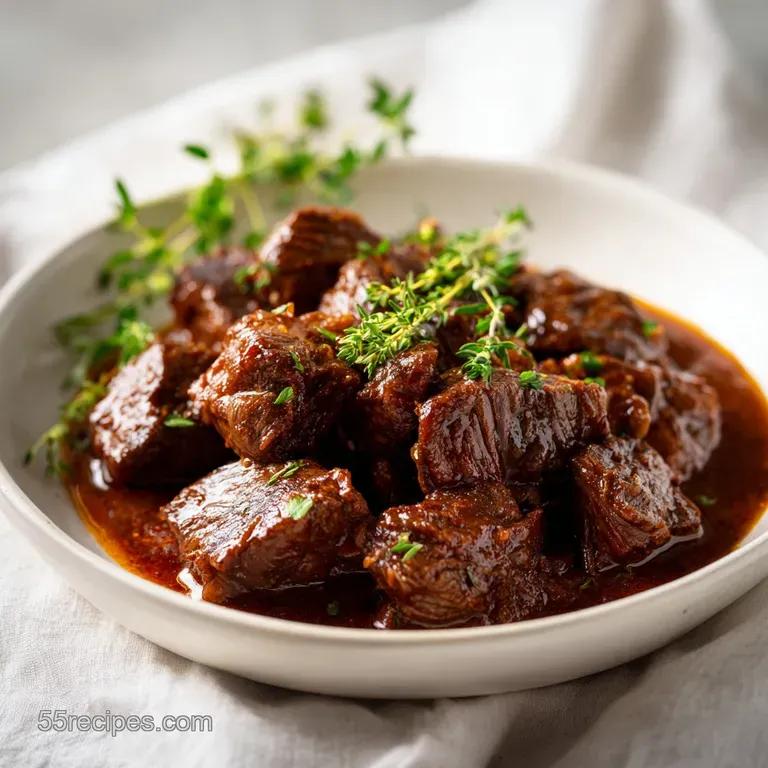
Even seasoned cooks hit a snag with a beef stew recipe slow cooker attempt. Usually, it's a matter of heat or timing.
Troubleshooting Common Issues
| Issue | Solution |
|---|---|
| Why Your Stew Is Too Watery | This usually happens if you add too much broth or if the vegetables release a lot of moisture. Since we use a slurry at the end, this is an easy fix. Just whisk more cornstarch and water together and |
| Why Your Beef Is Still Tough | If the meat is rubbery, it simply hasn't cooked long enough for the collagen to break down. Give it another hour on low. Remember, beef chuck doesn't get "overcooked" in a slow cooker in the same way |
| Why Your Vegetables Are Mushy | This happens when carrots are sliced too thin or potatoes are too small. The 8 hour simmer is brutal on small veg. Always cut your carrots into thick rounds (about 1 inch) to ensure they maintain some |
Before you wrap up, run through this checklist to make sure your beef stew recipe slow cooker result is top tier.
Common Mistakes Checklist
- ✓ Did I sear the meat in batches to avoid steaming?
- ✓ Did I scrape the brown bits (fond) into the pot?
- ✓ Are my carrots cut thick enough to withstand the heat?
- ✓ Did I use cold water for the cornstarch slurry?
- ✓ Did I wait until the end to add the frozen peas?
Customizing Your Stew
One of the best things about this beef stew recipe slow cooker base is how easy it is to pivot. You can take this in several directions depending on what you have in the fridge.
Want a Traditional Version with Wine? Replace 1 cup of beef broth with a dry red wine like Cabernet Sauvignon or Merlot. Add the wine to the skillet after sautéing the onions to deglaze the pan. This adds a sophisticated acidity that balances the richness of the beef.
Looking for a Shortcut with Onion Soup Mix? If you're in a huge rush, you can replace the salt, thyme, and part of the onion with one packet of beef onion soup mix. It's not as nuanced as fresh herbs, but it's a great "emergency" flavor booster. If you love the idea of slow cooked meats, my Corned Beef recipe uses a similar low and slow approach that delivers a similar sense of comfort.
How do I make this a "Beef Stew with Dumplings"? During the last 60 minutes of cooking, drop spoonfuls of a basic biscuit dough (flour, baking powder, butter, milk) onto the surface of the stew. Cover and cook without lifting the lid.
The steam will fluff up the dumplings into pillowy clouds.
Can I make this without wine? Yes, the original recipe is already wine free! The Worcestershire sauce and tomato paste provide the necessary acidity and depth without needing alcohol.
When adjusting ingredients, be careful with the salt. Slow cookers don't allow for much evaporation, so salt doesn't concentrate as much as it does in a pot on the stove, but it can still become overwhelming if you use a high sodium broth.
Adjusting Batch Sizes
Scaling a beef stew recipe slow cooker meal is straightforward, but it's not always a 1:1 ratio when it comes to liquids and seasonings.
Scaling Down (Half Batch) If you're cooking for two, use a smaller 3 quart slow cooker. Reduce the cooking time by about 20% (roughly 6-7 hours on low) because a smaller mass of food heats through faster. Use 1 lb of beef and 2 cups of broth.
Scaling Up (Double Batch) When doubling, use a 7 or 8 quart slow cooker. Do not double the salt or dried thyme immediately; start with 1.5x the amount and taste at the end.
Reduce the total liquid by about 10% (use 7 cups of broth instead of 8) because a larger pot creates more internal condensation, and you don't want a watery sauce.
If you're doubling the searing process, remember to work in even smaller batches. If you put 4 lbs of beef in one skillet, the temperature will drop, the meat will release juice, and you'll end up boiling your beef instead of searing it.
Debunking Stew Myths
There are a few things people tell you about stews that just aren't true. Let's clear the air.
Myth: Searing "seals in" the juices. This is a classic kitchen lie. Searing doesn't create a waterproof seal. In fact, meat loses more moisture during the searing process. We sear for the flavor (the Maillard reaction), not to keep the meat moist. The moisture comes from the slow simmer in liquid.
Myth: You must use a "stew meat" pack from the store. Actually, you're better off buying a whole beef chuck roast and cutting it yourself. store-bought "stew meat" is often just the scraps from other cuts, meaning you might have a piece of lean shank next to a piece of fatty brisket.
Cutting your own ensures consistency in size and quality.
Storage and Zero Waste
A beef stew recipe slow cooker meal is almost always better the next day. The flavors have more time to meld and the gravy settles into a more cohesive texture.
Fridge and Freezer Guidelines - Fridge: Store in an airtight container for up to 4 days. The gravy will thicken further as it cools. - Freezer: This stew freezes beautifully for up to 3 months. I recommend freezing it in portions.
Note: If you used very soft potatoes, they might change texture slightly upon thawing, becoming a bit more granular.
The Best Way to Reheat Avoid the microwave if you can; it tends to toughen the beef. Instead, put the stew in a small pot on the stove over medium low heat. Add a splash of water or beef broth to loosen the gravy back up to its velvety state.
Zero Waste Tips Don't toss the beef trimmings or the bay leaf stem. If you have leftover beef bones from your roast, toss them into the slow cooker during the 8 hour simmer to add even more body to the sauce.
You can also use the leftover thick gravy as a base for a poutine or pour it over mashed potatoes for a quick meal.
If you have a bit of leftover stew, try reducing it in a pan until it's almost a paste, then use it as a filling for a savory pie or a shepherd's pie topping.
The Best Ways to Serve
Presentation matters, even for comfort food. You don't want a brown blob on a plate; you want a meal that looks as hearty as it tastes.
The Perfect Pairing This stew is heavy and rich, so it needs something to cut through the fat. I love serving it with a crusty piece of sourdough bread toasted with garlic butter. The crunch of the bread contrasts beautifully with the tender beef. For another cozy meal, you can't beat a Hearty Minestrone on a cold night when you want something a bit lighter.
Garnishing for a Professional Look Don't skip the fresh parsley. The bright green color pops against the mahogany gravy, making the dish look fresh rather than just "brown." A dollop of sour cream or a sprinkle of fresh chives can also add a hit of acidity and color.
Serving Styles
- Bowl Style: Serve in deep bowls with a side of buttered egg noodles.
- Rustic Style: Scoop it directly over a mound of creamy mashed potatoes.
- Simple Style: Just the stew and a thick slice of toasted rye bread.
Once you've mastered this beef stew recipe slow cooker approach, you'll find that the "low and slow" philosophy works for almost any tough cut of meat. It's the ultimate way to turn a budget cut of beef into a mouthwatering classic that the whole family will fight over.
Recipe FAQs
How to make the best beef stew in a slow cooker?
Brown the beef in batches to create a mahogany crust, sauté aromatics, and cook on Low for 7-8 hours. Ensure you scrape the pan fond into the pot to build a deep flavor base.
What is the secret to a good beef stew?
Searing the meat and incorporating the fond. This process develops a rich, savory complexity that cannot be achieved by adding raw meat directly to the slow cooker.
What are common mistakes when making beef stew?
Crowding the skillet during browning. This causes the beef to steam in its own juices rather than sear, preventing the formation of the essential mahogany crust.
Is stew ok for diabetics?
Yes, it is generally a healthy option. This recipe utilizes low-sodium beef broth and fresh vegetables, though you should monitor the carbohydrate content of the potatoes.
Can I substitute the carrots or potatoes?
Yes, other root vegetables work well. Similar to our guide on how to boil rutabaga, these hearty vegetables maintain their structure during long cook times.
Why is my beef still tough?
The collagen hasn't fully broken down. Beef chuck requires time to soften; simply let the stew cook for another hour on low until the meat is fork tender.
How to thicken the stew?
Whisk cornstarch and cold water into a slurry. Stir this mixture into the pot during the last 30 minutes of cooking until the gravy is glossy and thick.
Slow Cooker Beef Stew