Spicy Edamame Recipe with Umami Glaze
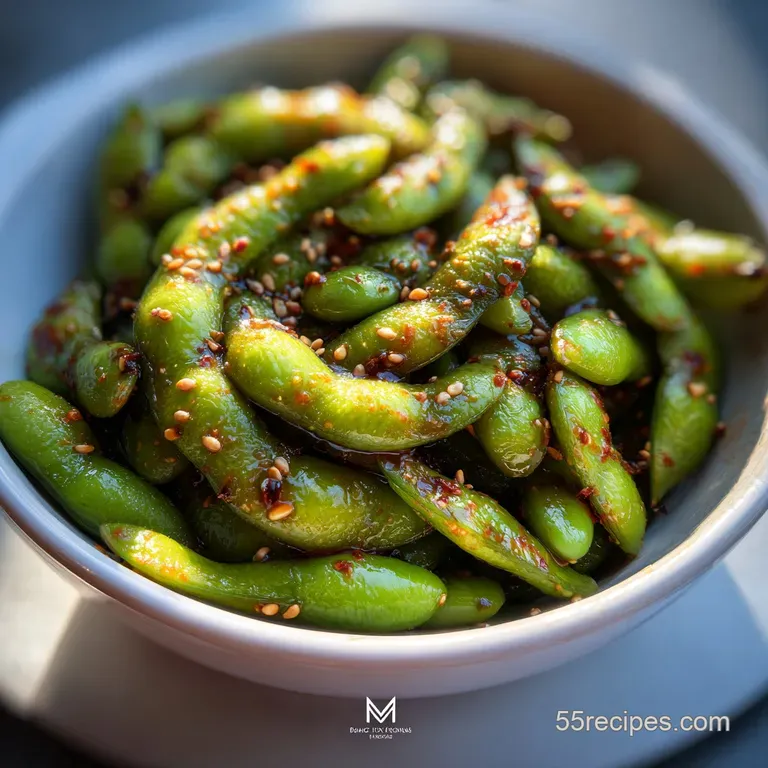
- Time: Active 10 minutes, Passive 5 minutes, Total 15 minutes
- Flavor/Texture Hook: Savory, umami rich glaze with a satisfying snap
- Perfect for: High energy game nights or a quick, healthy weeknight side dish
- Master the Ultimate Spicy Edamame Recipe
- The Science Behind Your Vibrant Flavor Profile
- Essential Timing and Yield Metrics for Success
- A Targeted Shopping List for Global Flavors
- The Minimalist Equipment Needed for High Heat
- A Sensory Guided Method for Brilliant Results
- Solving Common Sogginess and Texture Hurdles
- Adaptations for Different Diets and Heat Levels
- Maintaining Freshness with Smart Storage Tactics
- Creative Serving Ideas for a Complete Meal
- Scaling Your Spicy Snack for Crowds
- Debunking Common Preparation Misconceptions
- Recipe FAQs
- 📝 Recipe Card
Master the Ultimate Spicy Edamame Recipe
You know that specific sizzle when garlic and ginger hit hot oil? That’s the sound of my kitchen every Friday night lately. For a long time, I struggled to get my homemade snacks to taste like the ones from our favorite local Japanese spot.
I’d just toss some chili oil on steamed beans and wonder why it tasted so flat. It was a watery, oily mess that lacked that deep, savory punch that keeps you reaching back into the bowl.
Everything changed when I realized the secret wasn't just in the heat, but in the layers. We’re talking about a salty brine followed by a sticky, concentrated glaze that actually clings to the fuzzy skin of the edamame.
This spicy edamame recipe is the result of many "too salty" or "too soggy" batches until I found the balance that works every single time. It’s vibrant, messy in the best way, and takes exactly fifteen minutes from the freezer to the table.
The Science Behind Your Vibrant Flavor Profile
Osmotic Seasoning: Boiling the pods in highly salted water forces seasoning through the porous shell, ensuring the inner beans aren't bland.
Emulsification Stability: The honey and miso paste act as binders, creating a thick coating that adheres to the pods instead of pooling at the bottom of the bowl.
Maillard Reaction: Briefly sautéing the aromatics at high heat creates new flavor compounds that add a toasted, nutty complexity to the base spice.
| Method | Total Time | Texture | Best For |
|---|---|---|---|
| Sauté (This Recipe) | 15 minutes | Snappy with a sticky, charred glaze | Maximum flavor and authentic restaurant style |
| Traditional Steaming | 10 minutes | Soft and clean | Low calorie snacking without extra oils |
| Microwave Fast Track | 5 minutes | Tender but often uneven | Absolute emergencies when time is zero |
When you are looking for that specific richness that mimics professional kitchens, adding a little fat is non negotiable. If you're building a full spread, these beans are incredible alongside a creamy dip or even some Homemade Kewpie Mayo recipe for an extra hit of richness. The contrast between the spicy glaze and a cooling dip is something my family asks for every single weekend.
The Physics of the Sticky Glaze
Miso paste provides a protein rich base that traps the liquid sriracha and honey. This creates a high viscosity coating that resists the natural moisture of the steamed pods.
| Component | Science Role | Pro Secret |
|---|---|---|
| Miso Paste | Emulsifier and umami source | Use white miso for a mellow, sweet undertone |
| Honey | Sugar for caramelization | Adds the "tack" needed for the sauce to stick |
| Sriracha | Acidic heat | The vinegar in the sauce cuts through the heavy salt |
| Toasted Sesame Oil | Volatile aromatic | Add it last to prevent the delicate flavor from burning |
Wait until you smell the ginger hitting the pan it’s the moment you know the dish is going to be good. The aroma is sharp and bright, cutting right through the savory scent of the miso. It’s a sensory experience that makes the five minutes of prep work totally worth it.
Essential Timing and Yield Metrics for Success
This recipe is designed to be efficient. You aren't standing over a stove for an hour; it’s a fast paced sequence where timing matters to keep the beans from turning a dull, brownish gray.
- Yield: 4 servings (ideal for a small group or a very hungry couple)
- Prep time:5 minutes
- Cook time:10 minutes
- Total time:15 minutes
Chef's Note: If you're using fresh edamame instead of frozen, increase the boiling time by about 2 minutes to ensure the beans inside are fully tender.
A Targeted Shopping List for Global Flavors
I always keep a bag of edamame in the freezer because it’s the ultimate "I have nothing to eat" savior. Just make sure you're buying the "in pod" version for this spicy edamame recipe, as the shell is what carries all that glorious sauce.
- 1 lb frozen edamame in the pod (The star of the show)
- 2 tbsp sea saltWhy this? Essential for seasoning the water and the beans inside the shells.
- 6 cups water (The blanching medium)
- 2 tbsp neutral oil (Canola or grapeseed works best for high heat)
- 4 cloves garlic, minced (Fresh is mandatory here; jarred garlic tastes metallic)
- 1 tbsp fresh ginger, grated (Provides a zesty, aromatic backbone)
- 2 tbsp sriracha (The primary source of heat and tang)
- 1 tsp miso pasteWhy this? Adds a fermented, salty depth that salt alone cannot achieve.
- 1 tbsp soy sauce (For saltiness and a dark, rich color)
- 1 tsp toasted sesame oil (For that nutty finish)
- 1 tbsp honey (Balances the heat and helps the sauce thicken)
- 1 tsp toasted sesame seeds (Adds a subtle crunch and visual appeal)
- 0.5 tsp shichimi togarashi (A Japanese spice blend for a final kick)
| Original Ingredient | Substitute | Why It Works |
|---|---|---|
| Sriracha | Sambal Oelek | Similar heat profile but with more texture and less sugar |
| Miso Paste | Extra Soy Sauce | Adds saltiness, though you lose the thick, creamy glaze texture |
| Honey | Maple Syrup | Provides sweetness and stickiness; adds a slightly woodsy note |
If you happen to have any leftover sauce, it’s actually a brilliant marinade for chicken or tofu. I’ve even been known to toss some roasted vegetables in a double batch of this glaze because the balance of sweet and heat is just that addictive.
The Minimalist Equipment Needed for High Heat
You don't need a professional kitchen, but a few specific items make the process much smoother. I prefer a heavy bottomed skillet because it holds heat better when you add the cold edamame.
- Large Pot: For boiling the water and blanching the pods.
- Colander: Essential for draining the beans thoroughly water is the enemy of a sticky sauce.
- 12 inch Skillet: A cast iron or stainless steel pan is great for getting a bit of a sear on the pods.
- Microplane or Grater: For getting that ginger into a fine paste that melts into the oil.
A Sensory Guided Method for Brilliant Results
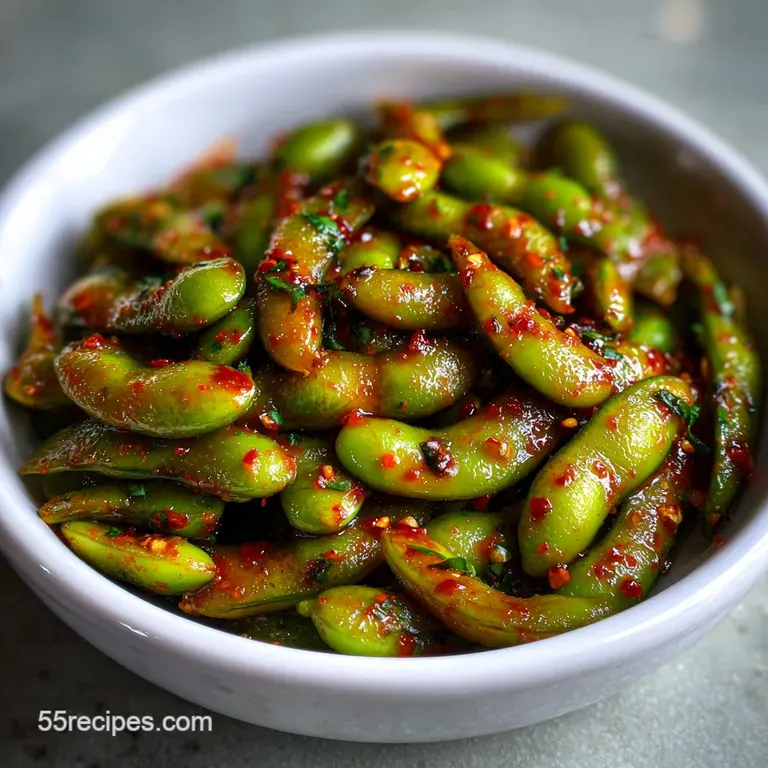
To Achieve the Perfect Snap (The Prep)
- Boil the water. Bring 6 cups of water to a rolling boil in your large pot. Add the 2 tbsp of sea salt; it should taste like the ocean.
- Blanch the pods. Drop the 1 lb of frozen edamame into the water. Cook for 5 minutes until the pods are bright green and tender. Note: Don't overcook them or they'll lose their snap.
- Drain and dry. Pour the edamame into a colander. Shake them well and let them sit for a minute to steam off excess moisture.
For Aromatic Depth (The Sizzle)
- Prep the aromatics. While the beans drain, mince your 4 garlic cloves and grate the 1 tbsp of ginger.
- Heat the oil. In your skillet, add 2 tbsp of neutral oil over medium high heat.
- Sizzle the base. Add the garlic and ginger to the pan. Sauté for about 30 seconds until fragrant but not browned. Burning the garlic will make the whole dish bitter.
For the Signature Glaze (The Finish)
- Whisk the sauce. In a small bowl, whisk together 2 tbsp sriracha, 1 tsp miso, 1 tbsp soy sauce, 1 tsp toasted sesame oil, and 1 tbsp honey.
- Combine. Add the drained edamame to the skillet. Toss them in the garlic oil for 1 minute to dry them out further and get a little color.
- Glaze. Pour the sauce mixture over the edamame. Toss constantly for 2 minutes until the sauce is thick and velvety, coating every pod.
- Garnish. Remove from heat and sprinkle with 1 tsp toasted sesame seeds and 0.5 tsp shichimi togarashi.
Solving Common Sogginess and Texture Hurdles
Why Your Edamame Is Soggy
The biggest culprit is water. If the pods aren't drained well after boiling, the moisture will dilute your sauce into a thin soup. I like to pat mine with a clean kitchen towel if I'm feeling extra precise. This ensures the sauce makes direct contact with the shell.
Why the Sauce Won't Stick
If your heat is too low, the honey and miso won't reduce and thicken. You need that medium high heat to drive off the moisture from the soy sauce and sriracha, leaving behind a concentrated, tacky syrup.
| Problem | Root Cause | Solution |
|---|---|---|
| Bitter aftertaste | Burned garlic | Add garlic only when oil is ready and cook for 30 seconds max |
| Sauce is too thin | Not enough reduction | Increase heat and toss for another minute until sticky |
| Beans are mushy | Over boiling | Stick to the 5 minute timer and rinse with cold water if not sautéing immediately |
Common Mistakes Checklist
- ✓ Never skip the salt in the boiling water; it’s your only chance to season the actual beans.
- ✓ Use fresh ginger rather than powdered for that essential "zing."
- ✓ Don't add the sesame oil at the start; it has a low smoke point and will taste scorched.
- ✓ Ensure the skillet is hot before adding the beans to get that slight "blister" on the skin.
- ✓ Shake the colander vigorously to get water out of the little nooks in the pods.
Adaptations for Different Diets and Heat Levels
For a gluten-free Variation
Swap the soy sauce for Tamari or liquid aminos. Most miso pastes are gluten-free (usually made from rice or soy), but always double check the label if you have a severe allergy. The flavor remains almost identical.
For a Low Sugar Healthier Version
You can replace the honey with a tiny bit of stevia or simply omit it, though the sauce won't be quite as sticky. The sriracha already has a bit of sugar, so you’ll still get a hint of sweetness. For another spicy kick that doesn't rely on sugar, try drizzling some Aji Amarillo Sauce recipe on top for a bright, Peruvian inspired twist.
If you are looking to change the heat profile, this recipe is very forgiving. If you want a "sweet and spicy edamame recipe," double the honey and add a splash of pineapple juice to the glaze. For a "spicy garlic edamame recipe" focus, double the garlic and use a chili garlic paste instead of sriracha.
Maintaining Freshness with Smart Storage Tactics
Storage: These are best served immediately while the glaze is glossy. However, you can store leftovers in an airtight container in the fridge for up to 3 days. The pods will absorb some of the sauce, making them even more flavorful but slightly less "snappy."
Reheating: Avoid the microwave if possible, as it makes the pods rubbery. Instead, toss them back into a hot skillet with a tiny splash of water for 2 minutes. This re activates the sugars in the glaze and brings back that sticky texture.
Zero Waste Tip: Don't throw away the garlic ginger oil left in the pan! Toss some leftover rice or even some cold noodles into the skillet to soak up every last bit of that umami goodness.
Creative Serving Ideas for a Complete Meal
For the ultimate izakaya experience, serve these in a wide, shallow bowl so everyone can reach in. I always provide a second empty bowl for the discarded shells nothing kills the vibe faster than a pile of chewed pods on the table!
If you're doing a big seafood night, these are a fun alternative to traditional starters. They actually pair surprisingly well with classic flavors, much like how a Homemade Cocktail Sauce recipe adds a zingy contrast to shrimp. The heat from the edamame and the horseradish kick of a good cocktail sauce make for a very exciting appetizer spread.
Scaling Your Spicy Snack for Crowds
- To double the recipe (2 lbs): Use a very large wok or work in two batches. If you crowd the pan, the beans will steam instead of sautéing, and you won't get that sticky glaze.
- To triple the recipe: Stick to 1.5x the salt for the boiling water, but keep the sauce ratios the same. You may need to simmer the sauce for an extra minute to get the right thickness.
Debunking Common Preparation Misconceptions
The "Shells are Edible" Myth: While not toxic, edamame shells are incredibly fibrous and tough. The goal of this spicy edamame recipe is to coat the shell so you get the flavor as you "pop" the bean into your mouth. Do not try to eat the whole thing!
Frozen vs. Fresh Quality: Many people think fresh is always better, but for edamame, frozen is often superior. They are flash frozen at peak ripeness, whereas "fresh" pods in the grocery store have often been sitting for days, losing their natural sweetness and turning starchy.
This dish is all about that messy, finger licking joy. It’s simple, it’s fast, and it’s a total crowd pleaser. Next time you're looking for a snack that feels a bit more "chef y" than a bag of chips, give this a go.
Trust me, once you try the miso honey glaze, there’s no going back to plain salt!
Recipe FAQs
What spices are in spicy edamame?
Sriracha and Shichimi Togarashi are the primary heat sources. We also use fresh minced garlic and grated ginger for aromatic depth, plus soy sauce and miso paste for salty umami notes.
What sauces go well with edamame?
A creamy, cooling dip contrasts the heat perfectly. For a rich pairing, try a side of aioli, or if you enjoy that umami richness, the flavor profile works well alongside a dipping sauce like our Easy Truffle Aioli.
How do you make Trader Joe's spicy edamame?
Blanch the pods first, then rapidly toss them in a high heat glaze. The key is achieving that sticky coating; this recipe uses miso and honey to bind the sriracha to the pod surface after a quick saltwater boil.
How to eat spicy edamame?
Squeeze or pop the beans directly from the shell into your mouth. Discard the fibrous pod immediately into a separate empty bowl to keep your serving dish clean.
Is it true you must use a wok for the final sauté step?
No, this is a common misconception. While a wok is ideal for quick, even tossing, a heavy bottomed stainless steel or cast iron skillet works perfectly fine for glazing the pods.
What can I substitute for miso paste if I want a different flavor base?
Use extra soy sauce or a splash of fish sauce, but reduce the initial salt. You will lose the thick, creamy texture the miso provides, so you may need to reduce the glaze cooking time slightly to compensate for less bulk.
Why is my sauce too runny and not sticking to the pods?
The pan temperature was too low, preventing proper reduction. Increase the heat during the final toss to boil off excess liquid quickly; the honey must caramelize slightly to create that required tackiness.
Spicy Edamame Recipe Finish
Ingredients:
Instructions:
Nutrition Facts:
| Calories | 179 kcal |
|---|---|
| Protein | 7.7 g |
| Fat | 11.4 g |
| Carbs | 12.8 g |
| Fiber | 2.9 g |
| Sugar | 6.1 g |
| Sodium | 580 mg |
