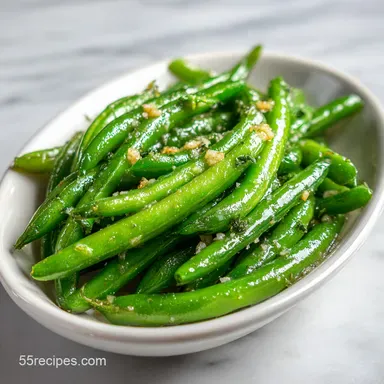
Steam Fresh Beans: Vibrant and Snappy
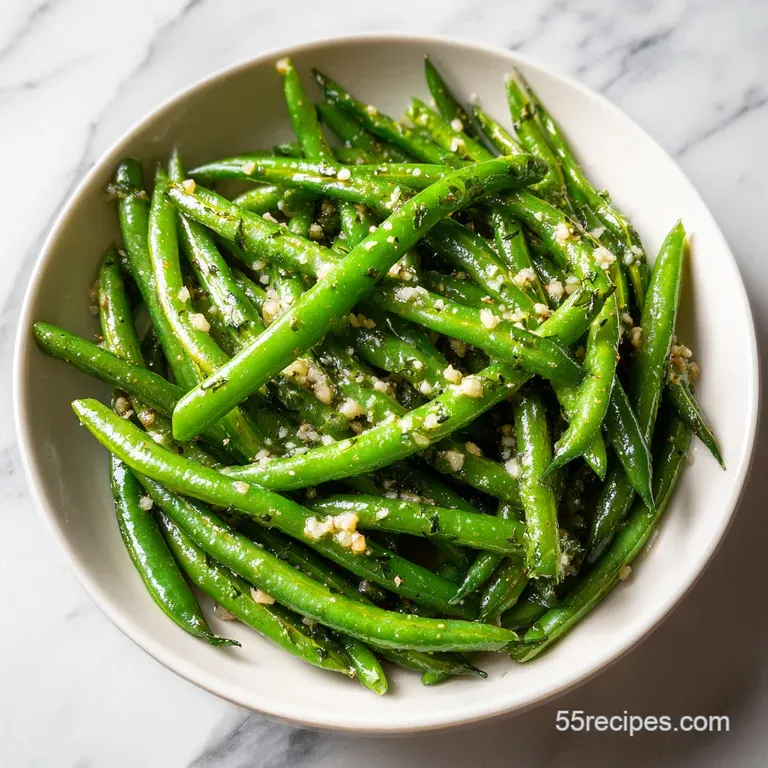
- Time: 5 min prep + 7 min cook = Total 12 mins
- Flavor/Texture Hook: Vibrant green color with a distinct, snappy bite
- Perfect for: Fast weeknight sides or healthy meal prep
- How to properly steam fresh beans
- Component analysis for better beans
- The basic recipe specs
- Necessary kitchen tools
- Step by step cooking flow
- Fixing common bean problems
- Troubleshooting Common Issues
- Scaling the batch
- Flavor variations and swaps
- Storage and waste reduction
- Serving and pairing ideas
- Recipe FAQs
- 📝 Recipe Card
That sharp, satisfying snap of a bean that isn't mushy is exactly why I'm obsessed with this method. I remember trying to impress a group of fitness focused friends a few years back. I had this great protein main, but I boiled the beans for just two minutes too long.
They turned that depressing army green color and tasted like wet cardboard. It was a total letdown.
I realized that the secret isn't in the seasoning, but in how the heat hits the vegetable. Once I switched to steaming, everything changed. The color stays neon bright, and they keep a structural integrity that actually feels fueled and fresh on the plate.
If you want a side that feels vibrant and clean without spending an hour in the kitchen, this is it. We are going to steam fresh beans using a technique that locks in the nutrients and keeps that steakhouse style snap. It's a fast process, but the precision is where the magic happens.
How to properly steam fresh beans
The goal here is a "tender crisp" result. If you've ever had beans that felt rubbery, you likely overcooked them or didn't cool them down fast enough. By using steam, we're using a gas rather than a liquid to transfer heat, which is much gentler on the cell walls of the bean.
Color Retention: High heat for a short time prevents the chlorophyll from breaking down into pheophytin, which is what causes that dull brown color.
Texture Control: Steaming doesn't leach out the natural sugars and minerals like boiling does, so the beans taste more like actual beans.
Nutrient Density: Because the beans aren't submerged in water, more of the water soluble vitamins stay inside the vegetable, according to guides on Serious Eats.
Heat Distribution: Steam surrounds the beans evenly, meaning you don't get "hot spots" that overcook the thinner ends while the middle stays raw.
| Method | Time | Texture | Best For |
|---|---|---|---|
| Steaming | 7 mins | Snappy & Bright | Maximum nutrients |
| Boiling | 5 mins | Softer & Watery | Quick blanching |
| Roasting | 20 mins | Shriveled & Nutty | Deep flavor |
Component analysis for better beans
Understanding why these specific additions work helps you tweak the recipe later. It's not just about salt, it's about balancing the earthy tones of the beans with brightness.
| Ingredient | Science Role | Pro Secret |
|---|---|---|
| Fresh Beans | Primary Structure | Look for pods that snap easily; if they bend, they're old |
| Unsalted Butter | Lipid Carrier | Adds a silky mouthfeel that carries the garlic flavor |
| Lemon Juice | pH Balancer | The acidity cuts through the butter and keeps the green color |
| Fresh Garlic | Aromatic Base | Adding it at the end preserves the pungent, sharp notes |
The basic recipe specs
Right then, let's get into the gear. I use a mix of metric and imperial here because that's how my kitchen is set up, but the ratios are what matter.
- 450g (1 lb) fresh green beans, trimmed and washed Why this? Fresh pods have the best snap
- 30g (2 tbsp) unsalted butter Why this? Creates a velvety coating
- 3g (1/2 tsp) fine sea salt Why this? Enhances natural sweetness
- 1g (1/4 tsp) freshly cracked black pepper Why this? Adds a subtle woody heat
- 5ml (1 tsp) fresh lemon juice Why this? Brightens the overall profile
- 1 clove garlic, minced Why this? Adds a savory depth
If you're out of butter, you can use olive oil, but it won't be as creamy. For the salt, avoid coarse kosher salt here as it might not dissolve evenly in the short tossing window.
Necessary kitchen tools
You don't need a fancy setup to steam fresh beans, but a few things make it easier.
- Steamer Basket: A stainless steel fold out basket works best.
- Large Saucepan: Make sure it's deep enough that the water doesn't touch the beans.
- Tight Fitting Lid: This is non negotiable. If steam escapes, your cook time doubles.
- Mixing Bowl: For the final toss.
- Tongs: To pull the beans out quickly.
Step by step cooking flow
Let's crack on with the actual process. This is a fast flow, so have your butter and garlic ready before the water even starts boiling.
- Wash the beans under cold water and snap off the tough stem ends of each bean. Note: Use your thumbs to snap them quickly
- Fill a large saucepan with 2.5 cm (1 inch) of water, ensuring it does not touch the bottom of the steamer basket.
- Bring the water to a rolling boil. Wait until you see large, aggressive bubbles.
- Place the beans in the steamer basket, ensuring they aren't packed too tightly.
- Cover with a tight fitting lid and steam for 5 to 7 minutes.
- Check the beans at 5 minutes until they are vivid green and offer a slight resistance when bitten.
- Remove the beans immediately from the heat using tongs.
- Toss the beans in a bowl with the butter, salt, pepper, lemon juice, and minced garlic while still steaming hot. Note: The residual heat melts the butter instantly
Fixing common bean problems
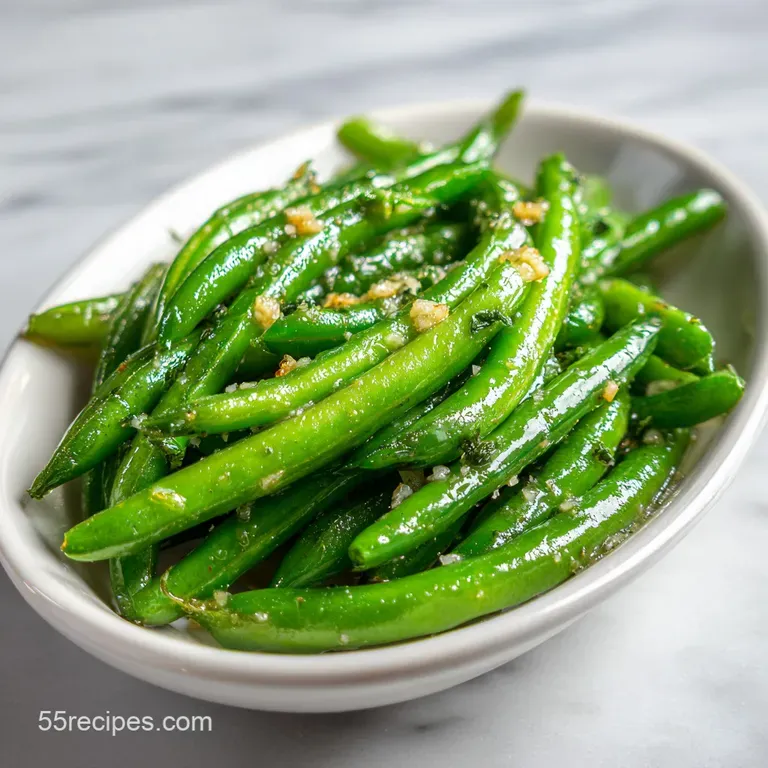
Even with a simple recipe, things can go sideways. Usually, it's a matter of timing or temperature.
Troubleshooting Common Issues
| Issue | Solution |
|---|---|
| Why are my steamed green beans rubbery | This usually happens when you overcook them. The pectin in the cell walls breaks down too much, and the bean loses its structure. If you leave them in the hot pot after steaming, they continue to cook |
| Why did my beans turn brown | This is a pH issue. Long cook times or a lack of acidity can cause the green color to fade. Adding the lemon juice at the end helps, but the best fix is to pull them off the heat the second they hit t |
| I don't have a steamer basket | You can actually steam green beans without steamer by using a colander that fits snugly inside your pot. Just make sure the colander doesn't touch the water. |
Common Mistakes Checklist
- ✓ Did the water touch the beans? (It shouldn't!)
- ✓ Is the lid tight? (Steam must stay trapped)
- ✓ Did you snap the stems? (The ends are woody)
- ✓ Are they still hot when adding butter? (Crucial for emulsification)
- ✓ Did you check for "snap" at 5 minutes? (Don't just trust the timer)
Scaling the batch
If you're cooking for a crowd, don't just dump 3 lbs of beans in one pot.
Scaling Down (Half Batch): Use a smaller pot to ensure you still have enough steam pressure. Reduce the cook time by about 1 minute since there is less mass to heat through.
Scaling Up (Double or Triple Batch): Work in batches. If the beans are piled too high, the ones at the bottom will be mushy while the top ones are raw. I suggest doing two separate rounds of 7 minutes.
Only increase the salt and pepper to 1.5x the original amount, as these can easily overpower the beans.
Flavor variations and swaps
Once you've mastered the base, you can get creative. This is a great place to experiment with different flavor profiles depending on your main dish.
For a more savory, "restaurant style" version, try adding a teaspoon of soy sauce and a drop of toasted sesame oil instead of the lemon juice. This works beautifully if you're pairing the beans with a pan seared salmon dish.
If you want a smoky kick, swap the butter for a tablespoon of smoked paprika oil. You can also add toasted slivered almonds at the very end for a crunch that shatters in your mouth.
For those avoiding dairy, a high-quality vegan butter or extra virgin olive oil works well, though the finish will be slightly less velvety.
Storage and waste reduction
If you're using this for meal prep, you have to be careful. Reheating steamed vegetables can be tricky.
Fridge Storage: Keep the beans in an airtight container for up to 4 days. I recommend storing them without the butter and garlic, and then adding the seasonings when you reheat them.
Freezing: You can freeze these, but you must blanch them first. Steam them for only 2 minutes, then plunge them into an ice bath. Pat them completely dry before freezing in a single layer on a tray, then move to a bag. This prevents them from becoming a giant frozen block.
Zero Waste: Don't throw away the snapped off stem ends. I keep a bag in the freezer for "stock scraps." Once the bag is full, I simmer the ends with onion peels and carrot tops to make a vibrant, veggie heavy base for soups.
Serving and pairing ideas
The beauty of this recipe is its versatility. Because it's light and bright, it balances out heavier proteins.
Protein Pairings: These beans are a natural fit for a baked chicken breast because the lemon in the beans cuts through the richness of the meat. They also pair well with grilled steak or a piece of seared tofu.
Presentation: To make them look professional, arrange them in a neat pile in the center of the plate rather than spreading them out. A final pinch of flaky sea salt on top adds a visual sparkle and a hit of flavor.
Serving Tip: Serve them immediately. The moment the butter starts to congeal, the dish loses its luster. If you're hosting a dinner, do the steaming last, as it only takes 7 minutes to finish the whole process.
Trust me on this, the difference in quality between "freshly steamed" and "sitting for 20 minutes" is huge.
Recipe FAQs
How long do fresh beans take to steam?
Steam for 5 to 7 minutes. They are done when they are vivid green and offer slight resistance when bitten.
Are green beans okay for diabetics?
Yes, they are an excellent option. Their low glycemic index and high fiber content help maintain stable blood sugar levels.
Is it better to boil or steam fresh green beans?
Steam them for better results. Steaming preserves more nutrients and maintains a snappier texture than boiling.
Are green beans good for magnesium?
Yes, they are a healthy source. They provide essential minerals, making them a great pairing for a rich meal like spinach mushroom lasagna.
Why did my beans turn brown?
This is usually caused by overcooking. The green color fades when the pH changes, which is why adding lemon juice at the end is crucial.
How to store leftover steamed beans?
Store in an airtight container for up to 4 days. Keep them plain and add the butter and garlic only when reheating to maintain quality.
What if I don't have a steamer basket?
Use a metal colander. Place it inside the pot so the water remains below the rim of the colander.
Steam Fresh Beans