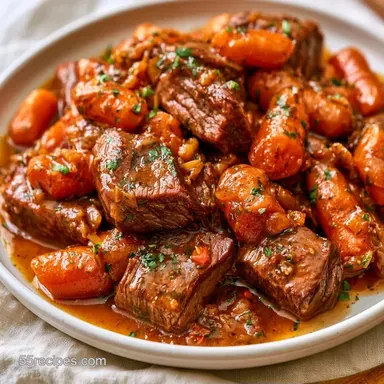
Traditional Sauerbraten with Red Wine
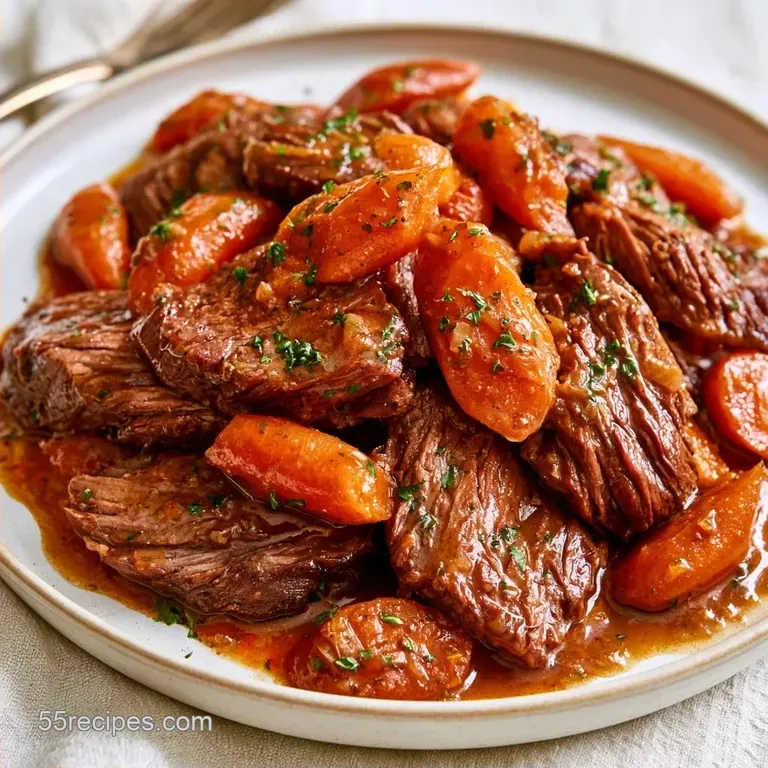
- Time: 30 min active + 3 to 5 days chilling
- Flavor/Texture Hook: Tangy, rich, and fork tender
- Perfect for: Hearty Sunday dinners or holiday gatherings
- The Hearty Guide to Sauerbraten
- Why the Flavor Works
- Ingredient Deep Dive
- Shopping List Breakdown
- Essential Kitchen Gear
- Cooking Your Roast
- Handling Common Issues
- Customizing Your Roast
- Keeping Leftovers Fresh
- Debunking Roast Myths
- Plating and Sides
- The Core Techniques
- Critical Sodium Level
- Recipe FAQs
- 📝 Recipe Card
The Hearty Guide to Sauerbraten
My initial attempt at making Sauerbraten was quite the lesson. I failed to marinate the meat for the proper amount of time and tried to compensate by overloading the sauce with vinegar. It turned into an acidic disaster that made my eyes sting, and the beef stayed rubbery since the marinade hadn't done its job.
Everything improved once I learned to trust the slow process. The scent of juniper berries and cloves permeating the fridge for a few days is all part of the build-up. When the roast finally sears in hot oil to form a rich, dark crust, you can tell the flavors are coming together perfectly.
Sauerbraten requires patience. It is a meal that pays off in the end, turning a basic cut of beef into something truly delicious. If you have struggled with results that were too sour or too tough, this method resolves those issues by balancing the tang with the sweetness of gingersnaps.
Why the Flavor Works
- Vinegar Soak: The acetic acid breaks down tough muscle fibers, making the Sauerbraten tender before it even hits the pan.
- Slow Heat: A low temperature converts collagen into gelatin, which gives the Sauerbraten a rich, lip smacking body.
- Sugar Balance: Gingersnaps and brown sugar cut through the sharpness of the marinade for a balanced Sauerbraten flavor.
The choice between the stove and the oven usually comes down to how much you want to baby the roast. The oven provides a more consistent wrap of heat, while the stovetop is faster for the final gravy reduction.
| Method | Time | Texture | Best For |
|---|---|---|---|
| Stovetop | 3 hours | Tender | Quick cleanup |
| Oven | 3 hours | Fall apart | Consistent heat |
Ingredient Deep Dive
The right ingredients ensure your Sauerbraten doesn't end up tasting like a salad dressing. The beef chuck is essential here because lean cuts will dry out during the long braise.
| Ingredient | Role | If You Don't Have It |
|---|---|---|
| Beef Chuck | Main protein/fat | Bottom round (slightly leaner) |
| Red Wine Vinegar | Tenderizing acid | Apple cider vinegar (milder) |
| Gingersnaps | Thickening/Sweetness | Crushed rye bread + 1 tsp ginger |
| Juniper Berries | Piney aroma | 1/2 tsp ground coriander |
The combination of red wine and vinegar creates the foundational tang of Sauerbraten. Without the long soak, the flavor never penetrates the center of the roast.
Shopping List Breakdown
Grab these items to get your Sauerbraten started. I suggest using a heavy bottomed pot like a Le Creuset or any cast iron Dutch oven to prevent the bottom from scorching.
- 3 lb beef chuck roast Why this? High fat and collagen for tenderness
- 2 cups red wine vinegar Why this? Classic sharp tang
- 1 cup dry red wine Why this? Adds depth and color
- 1 cup water
- 1 large onion, roughly chopped
- 2 medium carrots, sliced
- 2 stalks celery, sliced
- 10 whole peppercorns
- 5 juniper berries, lightly crushed
- 3 bay leaves
- 4 whole cloves
- 1 tsp salt
- 2 tbsp neutral oil
- 2 cups beef broth, low sodium
- 1 cup reserved marinade, strained
- 3/4 cup gingersnap cookies, crushed into fine crumbs Why this? Traditional thickener and sweetener
- 1 tbsp brown sugar
If you can't find juniper berries, don't stress. They add a lovely forest like scent to the Sauerbraten, but the cloves and peppercorns do most of the heavy lifting.
Essential Kitchen Gear
You'll need a large glass or ceramic bowl for the marinating stage. Avoid using metal bowls or pots for the 3-5 day soak, as the vinegar in the Sauerbraten marinade can react with the metal and give the meat a metallic taste.
A Dutch oven is the gold standard here. You need something that can go from the stove to the oven without a hitch. A tight fitting lid is non negotiable because it keeps the moisture inside, ensuring the Sauerbraten stays juicy.
Finally, have some heavy duty paper towels ready. Patting the meat dry is the only way to get that deep mahogany sear. If the Sauerbraten is damp, it will just steam in the pot and you'll miss out on all that flavor.
Cooking Your Roast
Infusing the Meat
- Place chopped onion, carrots, celery, peppercorns, juniper berries, bay leaves, and cloves in a large glass vessel.
- Stir in the red wine vinegar, red wine, water, and salt.
- Submerge the beef chuck roast in the liquid, adding more water if the Sauerbraten isn't fully covered.
- Cover and refrigerate for 3 to 5 days, turning the roast once daily to ensure the marinade hits every side.
Searing for Depth
- Remove beef from the marinade and pat completely dry with paper towels. Note: Wet meat won't brown
- Heat oil in a Dutch oven over medium high heat and sear beef for 5–7 minutes per side until a mahogany crust forms, then set aside.
- Sauté the vegetables from the marinade in the remaining fat for 5 minutes until caramelized and browned.
Braising the Sauerbraten
- Deglaze the pan by pouring in 1 cup of strained marinade and 2 cups of beef broth, scraping the bottom of the pot.
- Return beef to the pot, cover with a tight fitting lid, and simmer on low heat or in a 325°F (160°C) oven for 2.5 to 3 hours until fork tender.
- Remove beef to a plate and tent with foil to rest for 15 minutes.
Finishing the Gravy
- Stir crushed gingersnap cookies and brown sugar into the simmering liquid.
- Whisk constantly over medium heat for 5–10 minutes until the gravy is thick and velvety.
Chef's Note: If the gravy thickens too quickly, whisk in a splash of beef broth to loosen it up.
Handling Common Issues
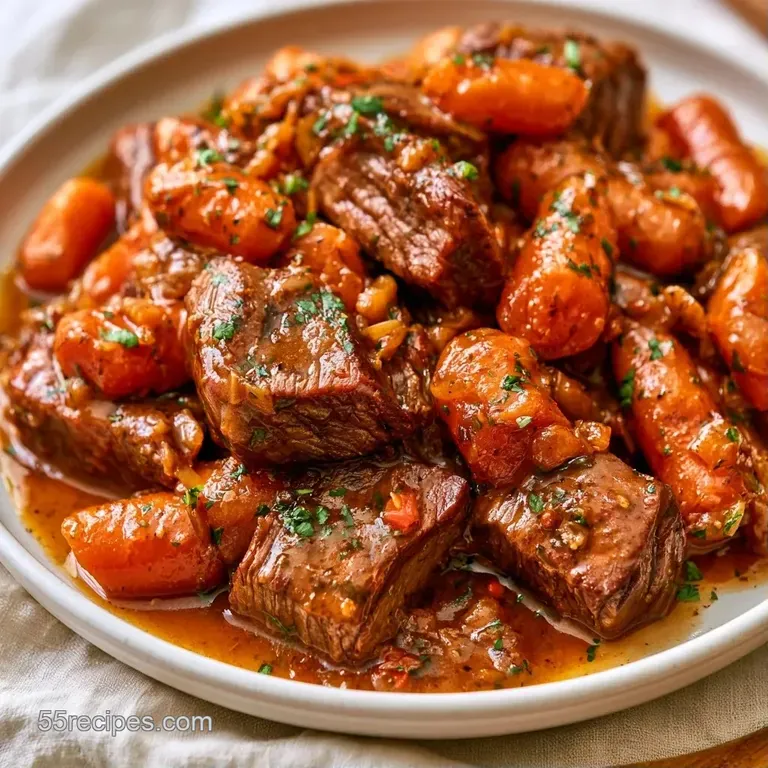
Getting the balance of a Sauerbraten can be tricky. The most common complaint is a sauce that tastes too much like straight vinegar. This happens when the meat hasn't rested or the sweetener isn't balanced.
Fixing Overly Sour Meat
If the Sauerbraten tastes too sharp, don't reach for the salt. Add an extra crushed gingersnap or a pinch more brown sugar. The sweetness neutralizes the acetic acid without changing the overall profile of the dish.
Preventing Dry Beef
Overcooking is the enemy of any roast. Use a meat thermometer to check the center; USDA guidance puts the safe internal temperature at 145°F for beef, but for Sauerbraten, you want it higher (around 190°F-200°F) so the collagen fully melts.
Stopping Gravy Separation
If your sauce looks broken or greasy, it's usually because too much fat remained in the pot. Use a spoon to skim the oil off the top before you whisk in the gingersnaps.
| Problem | Fix |
|---|---|
| Too Sour | Add 1 tbsp brown sugar |
| Rubbery Meat | Increase marinade time to 5 days |
| Thin Gravy | Add more crushed gingersnaps |
Customizing Your Roast
You can easily tweak this Sauerbraten to fit your needs. Some people prefer a slower approach, and others need to avoid certain ingredients.
Traditional Sauerbraten Recipe Slow Cooker
To make this in a slow cooker, follow the marinating steps as usual. After searing the meat and veg in a pan, transfer everything to the slow cooker. Cook on Low for 8 hours. You'll still need to finish the gravy on the stovetop to get the right consistency.
The No Gingersnap Alternative
If you don't have cookies, use a mix of 2 tbsp flour and 1 tbsp brown sugar with a pinch of ground ginger. It won't have quite the same depth, but it still works for the Sauerbraten gravy.
Lean Cut Adjustment
If you use a leaner cut like eye of round, reduce the oven time by about 30 minutes. Leaner meat dries out faster, so keep a close eye on it.
Quick Adjustments: Extra tang? → Add 1 tbsp extra red wine vinegar to the final gravy. Deepen color? → Sear the beef for 2 minutes longer per side. Less sweet? → Reduce brown sugar to 1 tsp.
Keeping Leftovers Fresh
Sauerbraten is actually more delicious on the second day. This allows the flavors to blend more deeply and gives the meat more time to soak up the sauce.
Keep the beef and gravy together in an airtight container, chilled for up to 4 days. When you're ready to eat, warm it gently on the stovetop over low heat. Don't be concerned if the sauce has set into a jelly-like consistency while cold; this is just natural gelatin from the beef that will liquefy as it heats.
For longer preservation, you can freeze the Sauerbraten for up to 3 months. I suggest freezing the meat submerged in the gravy to prevent it from drying out. Let it defrost in the refrigerator overnight, then warm it in a covered pot with a small splash of water.
To minimize waste, place the unused vegetable scraps from the marinade into a freezer bag to use the next time you make homemade beef stock.
Debunking Roast Myths
Many believe that searing the meat "locks in the juices," but this is a misconception. Moisture is lost throughout the entire cooking process, regardless of whether you sear. The actual purpose of searing Sauerbraten is to develop a deep, rich flavor through browning.
You also don't need a costly cut of beef. In fact, an affordable beef chuck roast is ideal for Sauerbraten because the connective tissue helps create a fuller body for the sauce.
Plating and Sides
To serve a Traditional Sauerbraten Recipe, you need the right partners. The acidity of the meat pairs perfectly with something sweet and creamy.
- Rotkohl
- Braised red cabbage with apples.
- Kartoffelklöße
- Large potato dumplings that soak up the gravy.
- Spätzle
- Small German egg noodles.
When plating, slice the Sauerbraten against the grain into thick medallions. Spoon a generous amount of the gingersnap gravy over the top. A sprinkle of fresh parsley adds a pop of color to the deep browns of the dish.
The Core Techniques
Sauerbraten’s appeal comes down to two key scientific processes: the tenderizing effect of acid and the breakdown of collagen.
A Traditional Sauerbraten Marinade works as the vinegar seeps deep into the muscle fibers, breaking down the meat's structure for a more tender texture. This is why a 3 day soak yields a remarkably different result than one lasting only 24 hours.
The slow braise is the next critical step. By maintaining a low temperature (325°F), the tough collagen in the chuck roast gradually converts to gelatin. This not only softens the meat but also creates the rich, velvety gravy characteristic of a Traditional Sauerbraten Recipe with Gingersnaps.
If you need a Traditional Sauerbraten Recipe Easy enough for a weeknight, you can utilize a pressure cooker for braising, though the marinating days cannot be skipped. The Traditional Sauerbraten Gravy Recipe requires that extended soak to achieve its signature depth.
Regardless of whether you choose a Traditional Sauerbraten Recipe Slow Cooker method or use the oven, you'll create a hearty, nostalgic meal that is pure comfort.
Critical Sodium Level
1140 mg 1,140 mg of sodium per serving (50% 50% of daily value)
The American Heart Association recommends limiting daily sodium intake to 2,300 mg, and ideally 1,500 mg for adults with high blood pressure.
Tips to Reduce Sodium
-
Swap the Broth-30%
Replace the low-sodium beef broth with homemade unsalted beef stock or water enriched with mushroom powder to maintain the savory depth.
-
Omit Added Salt-25%
Completely remove the 1 tsp of salt; the acidity from the red wine vinegar and red wine will naturally enhance the beef's flavor profile.
-
Alternative Thickener-15%
Processed gingersnap cookies contain hidden sodium; instead, use a mixture of ground ginger, brown sugar, and a cornstarch slurry to thicken the sauce.
-
Enhance Aromatics
Increase the amount of peppercorns and juniper berries, or add fresh rosemary and thyme to create a richer taste without adding sodium.
Recipe FAQs
What cut of meat is traditionally used for sauerbraten?
Beef chuck roast. This cut is ideal because it contains the connective tissue needed to withstand a long marinade and slow braise without drying out.
Which liquid provides the primary tang in the marinade?
Red wine vinegar. Combined with red wine and water, this acid breaks down the tough muscle fibers of the beef over 3 to 5 days.
Why does the gravy have a distinct sweetness?
Gingersnap cookies and brown sugar. These ingredients are stirred into the simmering liquid at the end to balance the sharp acidity of the vinegar marinade.
Is it true that you can skip the marinating process to save time?
Actually, no. The vinegar soak is essential for tenderizing the chuck roast; skipping this step will result in meat that remains rubbery after cooking.
How to thicken the sauce for this dish?
Whisk crushed gingersnap cookies and brown sugar into the simmering liquid. Continue whisking over medium heat for 5–10 minutes until the gravy is thick and velvety.
Does the roast require a specific oven temperature?
Use 325°F (160°C). Cooking the beef at this temperature for 2.5 to 3 hours ensures the collagen converts to gelatin for a fork-tender result.
Sauerbraten for 6 Servings