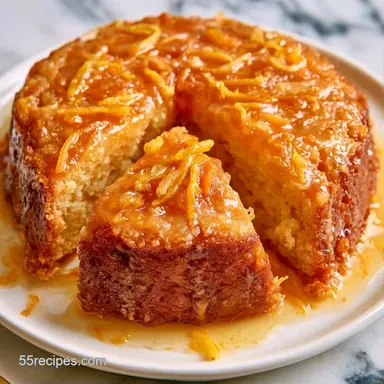
German Orange Sour Cream Cake with Almond Flour
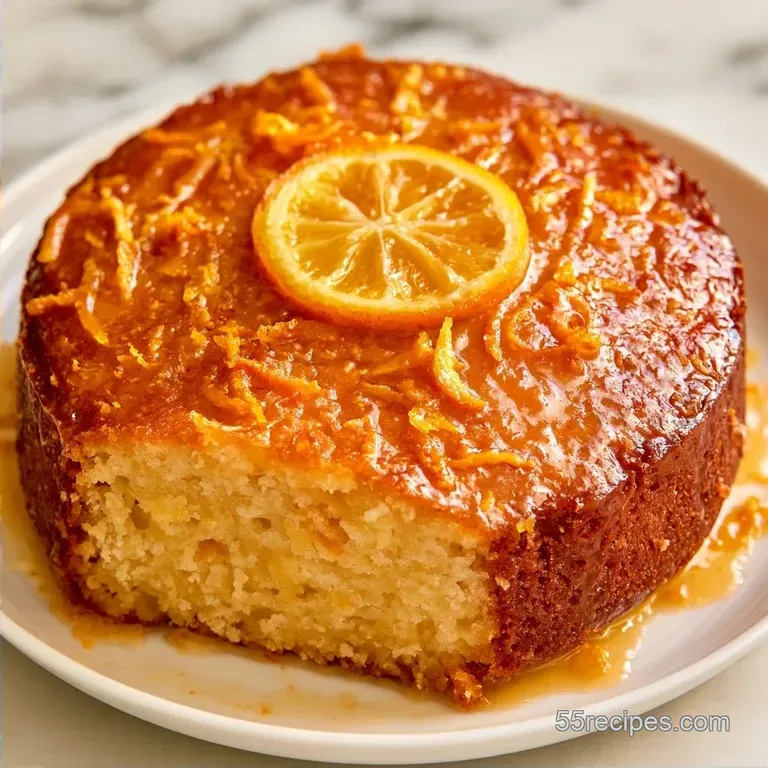
- Time: 15 min active + 2 hours chilling
- Flavor/Texture Hook: Tangy orange and a smooth, creamy custard
- Perfect for: Sunday tea or a Budget-friendly dinner party
The aroma of orange zest blending into softened butter is enough to whet anyone's appetite. During my early attempts at citrus cream cakes, I once added far too much fresh juice, which caused the batter to curdle. It looked more like cottage cheese than cake batter before it even hit the oven.
It was a complete disaster, but it taught me that the balance between fat and acid is critical when working with citrus.
This particular version is wonderful because it doesn't rely on expensive, out-of-season fruit. By using canned mandarins and a touch of fresh zest, you get a bold flavor without a high price tag. It is a German Orange Sour Cream Cake that feels sophisticated despite using simple pantry staples.
The finished dessert consists of two distinct layers: a dense, nutty cake base and a thick, creamy orange topping. It isn't a light-as-air sponge, but rather a moist, satisfying treat that holds its shape perfectly when sliced.
While the chilling period is the hardest part to endure, it is essential for achieving the right texture.
German Orange Sour Cream Cake Basics
Acidic Tenderizing: Sour cream works to break down the gluten in the flour, keeping the cake tender and preventing a bread-like texture.
Nutty Moisture: By adding almond flour, you introduce natural oils that lock in hydration, so the cake stays moist even after a few days in the refrigerator.
Starch Stability: Cornstarch creates a binding structure in the milk, turning a liquid into a dense custard that can support the weight of the oranges.
For another way to achieve a delicate crumb, my cake flour guide describes how to blend cornstarch into your flour for a comparable result.
| Choice | Result | Cost/Effort |
|---|---|---|
| Fresh Oranges | Brighter, more acidic flavor | More expensive, higher effort |
| Canned Mandarins | Steady sweetness, softer feel | Low cost, very fast |
Why This Recipe Works
The beauty of this dish is the contrast. You have the richness of the butter and egg yolks in the base, which is then cut through by the tang of the sour cream. Most people skip the chilling step, but that's where the magic happens. The custard sets, the flavors meld, and the slice becomes clean and sharp.
The use of almond flour is a smart budget move because it adds a depth of flavor that usually requires expensive extracts. It gives the base a slightly grainy, rustic feel that pairs well with the smooth topping. It's all about that balance of textures.
Role of the Ingredients
Every part of this cake has a job. If you swap something out, you're changing the chemistry of the bake.
| Component | Purpose | Substitute Notes |
|---|---|---|
| Sour Cream | Adds tang and moisture | Greek yogurt: Similar tang, slightly thicker |
| Almond Flour | Texture and richness | Ground hazelnuts: More intense flavor, same effect |
| Cornstarch | Thickens the topping | Arrowroot: Works well, but might be less stable |
| Mandarin Oranges | Sweet citrus bursts | Canned peaches: Changes flavor to summer style |
Tools You Need
You can easily handle this with basic equipment. A 9 inch springform pan is required, using a standard cake pan makes it nearly impossible to remove the cake intact. I prefer a hand mixer for the butter and sugar, but a stand mixer (like a KitchenAid) is a perfect alternative.
Make sure you have a medium saucepan for the custard and a fine mesh sieve to keep the flour clump-free. Simple gear, delicious results.
The Building Blocks
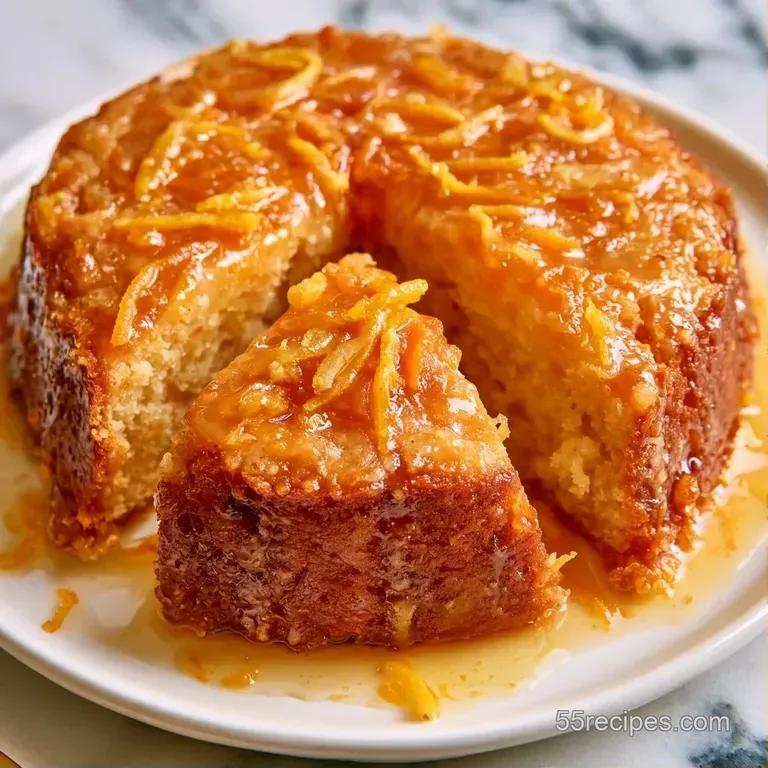
Here is everything you need to get this going. I've kept the ingredients accessible so you don't have to run to three different stores.
For the Base
- 1 cup (125g) all purpose flourWhy this? Provides the main structure
- 1 cup (125g) almond flourWhy this? Adds moisture and a nutty flavor
- 1/2 cup (60g) confectioners' sugarWhy this? Dissolves faster for a smoother base
- 2 tsp (10g) baking powder
- 1/2 tsp (2.5ml) natural vanilla extract
- 2 medium egg yolksWhy this? Adds richness and stability
- 1/2 cup (115g) unsalted butter, softened
For the Creamy Topping
- 2 1/8 cups (500ml) skim milk
- 1/4 cup (50g) cane sugar
- 2.8 oz (80g) cornstarch
- 2 tsp (10ml) vanilla extract
- 21 oz (600g) light sour creamWhy this? The hero ingredient for tang and texture
- 12 oz (350g) mandarin oranges, canned and drained
- 1 tbsp (6g) orange zest
Chef Note: Make sure your butter is truly softened. If it's too cold, you'll get lumps of butter in your base, and the cake won't rise evenly.
Steps from Prep to Plate
Now, let's move on to the baking process. Follow these steps to ensure everything goes smoothly.
- Cream the fats. Beat the softened butter and confectioners' sugar until the mixture is pale and fluffy.
- Add the yolks. Mix in the egg yolks one at a time, beating well after each addition to keep the batter stable.
- Combine dry ingredients. Sift the all purpose flour, almond flour, and baking powder. Fold these and the vanilla extract gently into the butter mixture. Note: Stop mixing as soon as the flour is incorporated to avoid a tough cake.
- Set the base. Spread the batter evenly into a greased 9 inch springform pan, using a spatula to tidy the edges.
- Make the custard. Whisk milk, sugar, and cornstarch in a saucepan over medium heat. Stir constantly until it thickens into a glossy custard.
- Mix the cream. Remove the pan from the heat. Fold in the sour cream, vanilla extract, and orange zest, stirring until completely smooth.
- Assemble. Pour the cream mixture over the cake base and arrange the drained mandarin oranges on top, pressing them in slightly.
- Bake. Bake for 45 minutes until the perimeter is firm and the center still jiggles slightly.
- Cool and chill. Let the cake reach room temperature. Then, chill in the fridge for 2 hours before slicing.
Tips and Common Pitfalls
Baking is a bit like a science experiment, and sometimes things go sideways. Most issues with this German Orange Sour Cream Cake come down to temperature or mixing.
Fixing a Sunken Center
A dip in the middle usually means the cake was pulled out too soon or the oven was too cool. The center should reach an internal temperature of 170°F (77°C). If it happens, just fill the dip with extra whipped cream or fresh berries.
Handling Curdled Topping
If your topping looks grainy, the sour cream might have been too cold when it hit the hot milk. To fix this, whisk it vigorously by hand or use a handheld blender for 30 seconds to smooth it out.
Preventing a Rubbery Base
Overmixing the flour develops too much gluten. If your base feels like bread, you mixed it too long. Next time, fold the flour in with a spatula instead of a mixer.
| Problem | Fix |
|---|---|
| Topping is too runny | Add 1 tsp more cornstarch to the milk mixture |
| Base is too dry | Increase almond flour by 2 tbsp |
| Oranges sinking | Drain the canned oranges more thoroughly |
Fun Flavor Variations
Once you've nailed the basic recipe, you can start playing around with the flavors. This is where you can make the cake your own.
The Lemon Twist Swap the orange zest and mandarin oranges for lemon zest and fresh blueberries. It's a bit more tart and works great for brunch.
The Nutty Crunch Add a layer of toasted sliced almonds between the base and the cream. It adds a nice crunch that contrasts with the creamy top. For more inspiration on combining fruit and nuts, try this zesty orange treat.
The Chocolate Base Replace 2 tablespoons of all purpose flour with cocoa powder. The chocolate and orange combination is a classic for a reason.
| Goal | What to change |
|---|---|
| More Tartness | Add 1 tbsp lemon juice to the cream |
| Richer Base | Use full fat sour cream instead of light |
| Lighter Feel | Swap cane sugar for a granulated sweetener |
Storage and Freezing Tips
Keep this cake chilled. Because it contains sour cream and milk custard, it shouldn't be left on the counter for long.
Refrigeration Store your slices in an airtight container. It remains fresh for 3 to 4 days. I've noticed the taste improves by the second day, as the orange flavor has more time to seep into the base.
Freezing This cake can be frozen, although the topping's texture may change slightly. Wrap individual slices in parchment paper followed by foil. They will last about 2 months. Thaw them in the fridge overnight.
Zero Waste Don't discard the liquid from the canned mandarins. You can use it in a carrot glaze or stir it into a homemade vinaigrette. Even the orange zest scraps can be dried and added to your sugar jar for "orange sugar."
Serving Your Cake
Even home-baked treats benefit from a touch of presentation. Because this German Orange Sour Cream Cake is so decadent, it is best served with something that cuts through the richness.
Ideal Accompaniments A spoonful of unsweetened whipped cream or a few fresh raspberries make a wonderful addition. The acidity of the berries beautifully balances the sweetness of the mandarins.
Recommended Drinks I suggest pairing this cake with a bold, dark coffee or a glass of chilled Prosecco. The coffee's bitterness offsets the creamy custard, while the sparkling wine adds a refreshing lightness to the experience.
Achieving a Neat Cut To get those flawless, professional slices, dip your knife in hot water and wipe it dry after every cut. This prevents the cream from clinging to the blade and smudging the cake base.
Recipe FAQs
Why did my cake batter curdle after adding eggs?
This usually happens when cold egg yolks cause the softened butter to separate.
Tip: Bring your eggs to room temperature before mixing to ensure a stable emulsion.
Can I substitute the sour cream with Greek yogurt?
Yes, plain Greek yogurt provides a similar tang and thickness.
Tip: If you enjoy this creamy balance, see how we use similar rich components in our classic recipe.
How to prevent the cake from sticking to the pan?
Grease the 9-inch springform pan thoroughly before adding the batter.
Tip: Line the bottom with parchment paper for a guaranteed clean release.
Is it true that you need a stand mixer to get the right texture?
No, this is a common misconception; a hand mixer works just as well.
Tip: Focus on beating the butter and sugar until the mixture is pale and fluffy.
German Orange Sour Cream Cake in 1 Hour