Melting Potatoes: Ultimate Thyme Garlic Butter Spuds
- The Ultimate Melting Potatoes: Defining the Dish That Dissolves
- The Science Behind the Sensation: Why This Texture is Achievable
- Essential Components for Perfect Potato Rounds
- Step-by-Step Guide to Achieving the Melt
- Mastering the Technique: Pro Tips and Troubleshooting
- Planning Ahead: Storing and Reheating Leftovers
- What To Serve Alongside This Crispy, Creamy Delight
- Recipe FAQs
- 📝 Recipe Card
The Ultimate Melting Potatoes: Defining the Dish That Dissolves
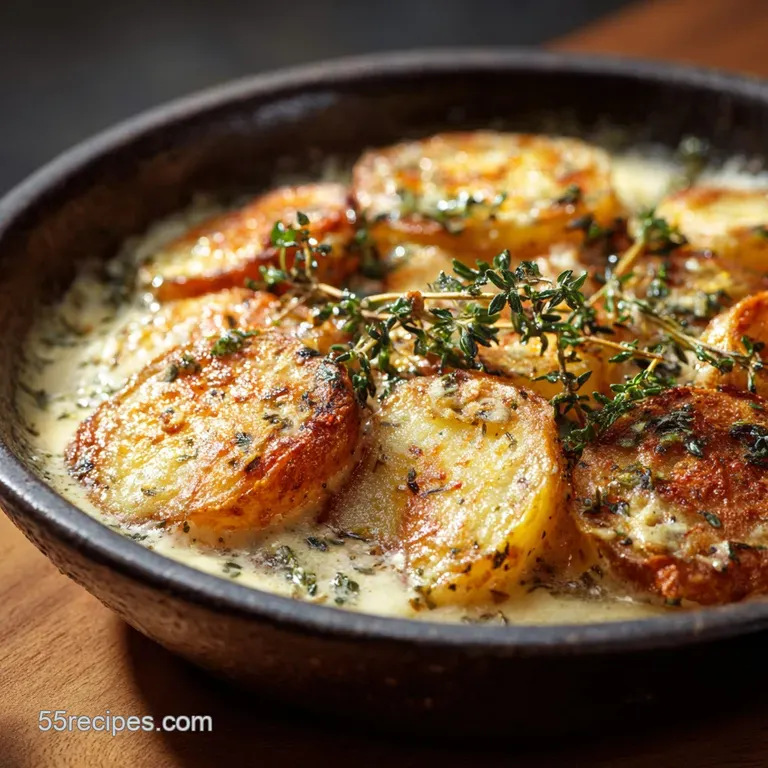
Oh my goodness, friend, if you haven’t made melting potatoes yet, stop everything you are doing. Seriously. The aroma alone is enough to convert skeptics, a rich perfume of deeply caramelized butter, roasted thyme, and garlic that fills the entire kitchen.
The texture is the absolute hero here: an impossibly crunchy, salty, golden crust surrounding an interior so velvety and tender it literally dissolves the second it hits your tongue.
This is the sneaky, elegant side dish that looks fancy but requires zero real culinary genius. It demands simple ingredients potatoes, butter, stock, and herbs and a little patience, which, as you know, is the only hard part of cooking.
It’s cheap, it's easy, and it guarantees you look like a kitchen superstar at your next Sunday supper.
We’re not making mash, and we aren't doing the standard rosemary roasted thing, either. We are actively manipulating the starch and fat to achieve the perfect textural contrast.
Let’s crack on and figure out exactly how to get this glorious, ultimate melting potatoes recipe into your weekly rotation immediately.
The Science Behind the Sensation: Why This Texture is Achievable
You might be wondering what magic is happening in that oven tray. It’s not magic; it’s just smart cooking, manipulating temperature and liquid to create something transcendent. The reason this method produces the absolute best melting potatoes is because we tackle the cooking process in two distinct stages.
What Makes Them "Melt"? (The Texture Revelation)
The meltiness comes down to starch. We use a potato that is high enough in starch (like a Yukon Gold) to absorb the liquid when it softens, but waxy enough to hold its circular shape without collapsing into mush. The high fat environment (butter!) saturates the potato while high heat breaks down the cellular structure.
The Simple Secret of Two-Stage Cooking
First, we sear these beauties in blazing hot oven conditions, essentially deep frying them in butter and olive oil for a magnificent crust. This caramelization sets up the potato’s outer layer.
The second stage introduces the stock and drastically lowers the heat, forcing the potato to braise and soak up that luxurious, aromatic liquid inside the crispy shell.
Elevating the Humble Side Dish
Anyone can boil a potato, but few achieve this level of flavor complexity. The infusion of thyme and garlic during the second stage permeates the creamy interior, creating layers of herbaceous, savory depth that you simply can't get from standard roasting.
The Maillard Reaction and the Golden Crust
That incredible, salty, nutty crust? Thank the Maillard reaction. We use high heat, fat, and a healthy dose of salt in the first stage to achieve maximum surface caramelization. This step is non-negotiable for the melting potatoes experience.
Creating Creaminess: The Stock Absorption Phase
As the liquid begins to reduce, it emulsifies with the residual butter, creating a thick, glossy glaze that surrounds the potatoes. The starch in the potato sucks up this buttery liquid, transforming the core into that signature creamy consistency.
The Ultimate Flavor Infusion: Garlic and Thyme
Don't just add the garlic and thyme at the beginning; they would burn! Adding them halfway through, just before the braise, ensures they gently release their essential oils into the butter and stock. This infusion is what defines this ultimate melting potatoes recipe.
Essential Components for Perfect Potato Rounds
Selecting the right ingredients and understanding how to substitute them is key to making these melting potatoes fail proof. Always aim for the freshest herbs you can find ; the difference in flavour impact is massive here.
Selecting the Best Potato Variety for Roasting
I swear by Yukon Golds for melting potatoes. They offer a fantastic middle ground: creamy enough to melt but structured enough to hold their perfect round shape. Russets are too starchy and might turn to mush during the braise. New potatoes are too waxy and won't absorb the stock well enough.
Stick to Yukon Golds for the best results.
Building the Ultimate Aromatic Butter Base
The initial fat mixture sets the flavour tone. I use a combination of butter (for flavor) and olive oil (for a higher smoke point). If you need to avoid dairy, a high-quality plant based butter or Ghee works wonders. Ghee, especially, delivers that nutty richness you crave.
Broth vs. Stock: The Liquid Foundation Choice
I prefer low-sodium Chicken Stock because it’s neutral and savory, but it really depends on what you’re serving. Make sure your stock is warm before you add it to the hot pan; that is a non-negotiable pro tip.
If you’re making a vegetarian version of the ultimate melting potatoes, vegetable stock is a perfect swap.
| Ingredient | My Recommendation | Quick Substitute |
|---|---|---|
| Potatoes | Yukon Gold | Fingerlings (if you cut them thicker) |
| Chicken Stock | Low-Sodium Stock | Vegetable Stock or warm Bouillon |
| Unsalted Butter | high-quality European | Ghee or Plant based Butter |
| Olive Oil | EVOO | Avocado Oil (high heat tolerance) |
Herb Alternatives to Thyme
Thyme and garlic are the classic pairing, but don’t be afraid to switch it up! Fresh rosemary is phenomenal, lending a beautiful piney note (perfect if you love my UltraCrispy Rosemary Roasted Potatoes Recipe The Sunday Lunch Star ). Sage is brilliant if you’re pairing this with a fall dish. Just remember that hardy herbs are best; basil or mint would just wilt into sadness.
step-by-step Guide to Achieving the Melt
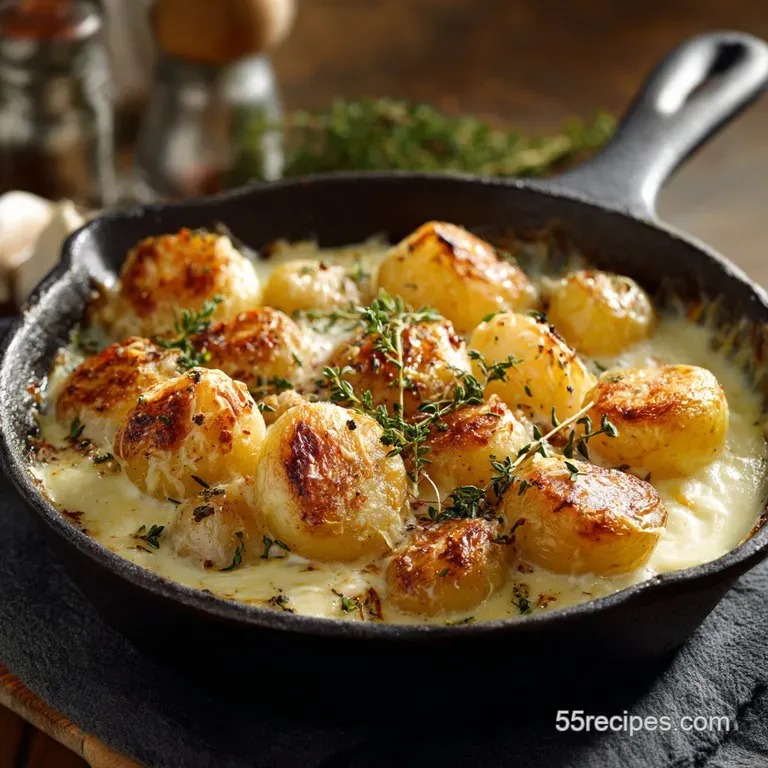
Listen closely, because precision in the first two steps is what separates good melting potatoes from ultimate melting potatoes. We need heat and uniformity!
Preparation and Slicing: Uniformity is Key
Preheat that oven to a blistering 450°F (230°C) and line your tray. You absolutely must use parchment paper here, or you risk losing that precious golden crust to the pan. Peel your potatoes and slice them into true 1 inch thick rounds.
I made the mistake once of doing thinner slices, and they just dried out and tasted sad. A thick 1 inch slice holds the moisture perfectly. Toss them with the initial butter, oil, salt, and pepper.
Stage One: Achieving the Perfect Crust (High Heat Sear)
Arrange the seasoned rounds on the prepared tray in a single layer. This is vital; if they overlap, they steam, and steaming is the enemy of crispiness. Place the tray into the very hot oven and leave it alone for 15 minutes.
Flip the potatoes after 15 minutes you should see a deeply golden, caramelized bottom and bake for another 15 minutes.
Stage Two: Adding Liquid and Finishing the Braise
Remove the tray and reduce the oven temperature immediately to 400°F (200°C). Scatter the remaining cubed butter, smashed garlic, and thyme sprigs around the potatoes. Don't pour the liquid directly over the potatoes ; gently pour the warmed chicken stock into the pan around the edges.
It should reach about halfway up the sides of the potatoes.
The Final Touches: Serving Immediately
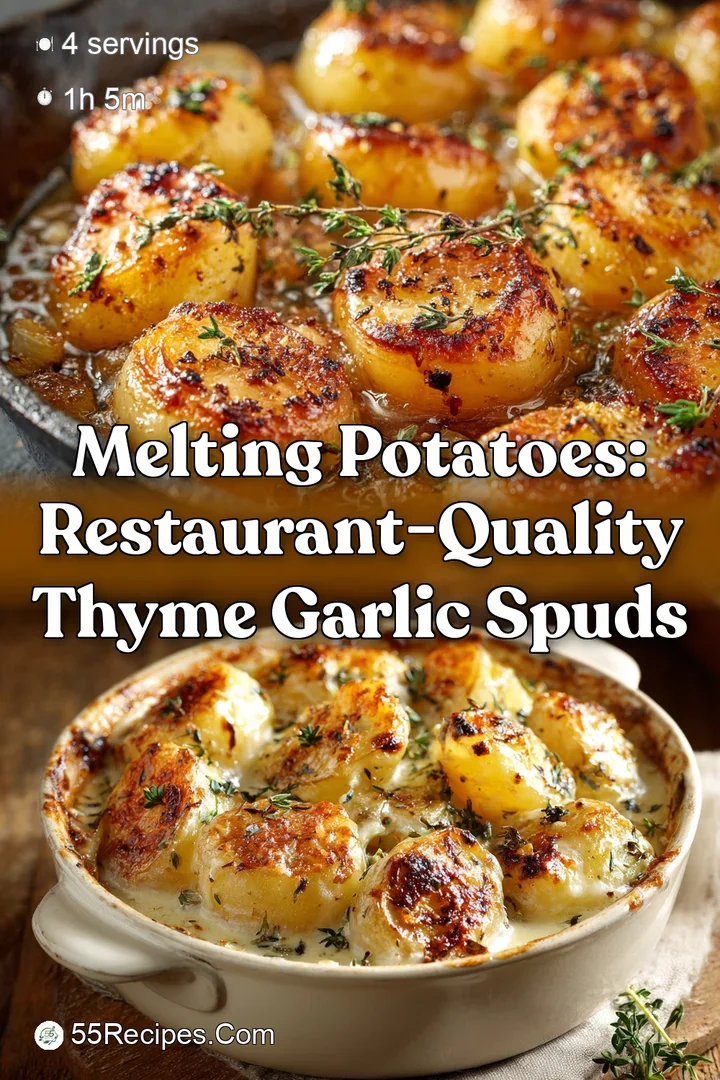
Return the tray to the now-cooler oven for 15 to 20 minutes. The liquid will bubble, reduce, and thicken into a gorgeous, syrupy glaze. The potatoes are done when they are fork tender and the stock has mostly evaporated.
Remove the tray, spoon that amazing glaze over the spuds, discard the herbs, and garnish with fresh parsley. Serve them immediately while the crust is still holding its integrity!
Chef's Note: The remaining glaze is liquid gold. Do not let it go to waste! Use a silicone spatula to scrape every last drop of the thyme and garlic infused butter sauce over the finished potatoes.
Mastering the Technique: Pro Tips and Troubleshooting
We all make mistakes, and I’ve made several iterations of slightly less than-perfect melting potatoes before dialing this in. Here are the pitfalls you need to avoid.
Avoiding Sticky Potatoes: The Starch Rinse Rule
People usually skip this when roasting, but if you notice your potatoes sticking even with parchment, try this: Rinse your sliced potato rounds quickly under cold water after slicing. This removes excess surface starch. Pat them completely dry before seasoning.
Wet potatoes steam, even in oil, and that leads to a gummy texture.
The Danger of Low Heat: Getting that Crispy Exterior
If your oven isn’t hot enough (that 450°F start is essential!), you won't get the proper sear, and the crust won't develop. If you get timid and set the temperature too low, you end up with soft, oil-soaked potatoes that just taste... roasted. High heat equals a crunchy surface.
Temperature Control: Ensuring the Stock Doesn't Evaporate Too Fast
When you add the stock in Stage Two, the oven temperature is reduced to 400°F. If you forget to reduce the heat, the stock will boil off in five minutes, and your potatoes will be left dry and scorched on the bottom. We want a gentle braise, not a rapid evaporation.
How to Fix Undercooked Centers
If the outside is crisp but the center is still hard after the braising time, your slices were too thick, or the initial searing time wasn't long enough. Don't panic! Simply add another splash (about ¼ cup) of warmed stock or water, cover the tray tightly with foil, and return it to the 400°F oven for 5 to 10 minutes.
This essentially pressure steams them, finishing the interior without drying out the exterior.
Planning Ahead: Storing and Reheating Leftovers
Melting potatoes are undoubtedly best fresh, but sometimes you just have too many spuds! While the crispy exterior will soften once stored, the interior flavor only deepens overnight.
Refrigerator Lifespan and Best Reheating Methods
Store leftover melting potatoes in an airtight container in the refrigerator for up to 3 days. To reheat them properly, avoid the microwave! Microwaving guarantees soggy sorrow. Instead, preheat your oven or toaster oven to 350°F (175°C), place the potatoes on a small, unlined tray (the residual fat prevents sticking), and bake for about 10– 15 minutes until heated through.
You won't get the original crispness back, but the flavor will be amazing.
Can You Freeze Potato Rounds? (Specific to this dish)
No. Please, don’t do it. Potatoes have a high water content, and freezing them changes the starch structure irrevocably. Once thawed, they become grainy, crumbly, and weep liquid. If you want a make-ahead potato side, I'd suggest prepping the mash base for my famous The Best CloudLike Whipped Potatoes Recipe Silky Smooth Mash instead!
What To Serve Alongside This Crispy, Creamy Delight
These ultimate melting potatoes are a stunning side dish capable of holding their own next to the richest main courses. They need a protein to soak up that glorious buttery glaze.
If you’re doing a Sunday Roast, pair these melting potatoes with a rich, pan-seared pork chop, or something equally robust. Because they are so rich, you want a main course that provides a beautiful, savory contrast.
However, if you feel like you prefer something with maximum exterior crunch, maybe pivot next time and try my Best Crispy Parmesan Smashed Potatoes Recipe oven-roasted — they offer a completely different, but equally compelling, texture. But if you’ve followed this recipe right, your melting potatoes will be the star of the plate, and everyone will ask for the recipe. Enjoy!
Recipe FAQs
What type of potato is best for achieving the "melting" texture?
The best varieties are high starch potatoes like Russet (Idaho) or King Edward, as their cellular structure easily breaks down when subjected to liquid and heat. Waxy potatoes, such as Yukon Gold or Red Bliss, tend to hold their shape too well and will not give you the desired soft, dissolving interior.
Why didn't my potatoes develop a crispy, golden crust?
A crucial step is the high heat searing phase; if the pan is too crowded, the potatoes will steam instead of roast, inhibiting crust development. Always ensure the roasting dish is thoroughly preheated before adding the potatoes, and guarantee the cut side is flat against the hot surface to maximize caramelization.
My potatoes are still firm after the roasting time. What went wrong?
If the potatoes remain firm, they were likely cut too thick, or there wasn't enough aromatic stock added to create sufficient steam in the final phase. Ensure your potato rounds are uniform and roughly one inch thick, and cover the dish loosely with foil if the stock is evaporating too quickly.
Can I make this recipe vegan or dairy-free?
Absolutely. Substitute the standard butter with a high-quality, plant based vegan butter block or a neutral oil like refined avocado oil for the searing process. Ensure you use vegetable stock instead of chicken stock to keep the entire dish fully plant based.
Can I prep the potatoes ahead of time?
Yes, you can certainly prep the potato rounds a day in advance to save time on cooking day. Peel and cut the potatoes, then immediately submerge them in cold water in the refrigerator for up to 24 hours. This prevents oxidation (browning) and removes excess surface starch.
How should I store and reheat leftover Melting Potatoes?
Store any completely cooled leftovers in an airtight container in the refrigerator for up to three days. To best revive the crisp exterior while keeping the interior soft, reheat them uncovered in a hot oven (400°F/200°C) for 10 to 15 minutes.
Can I swap the thyme and garlic for other aromatics?
Yes, the flavor profile is easily adaptable depending on your main course. Fresh rosemary and sage pair exceptionally well, especially if serving with beef or pork, or you could use smoked paprika and dried oregano for a warmer, Spanish inspired side dish.
Best Melting Potatoes Recipe
Ingredients:
Instructions:
Nutrition Facts:
| Calories | 256 kcal |
|---|---|
| Protein | 5.3 g |
| Fat | 7.5 g |
| Carbs | 41.8 g |
