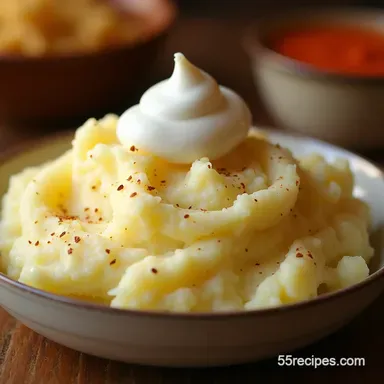
Cloud Nine Mashed Potatoes with Tangy Sour Cream Swirl
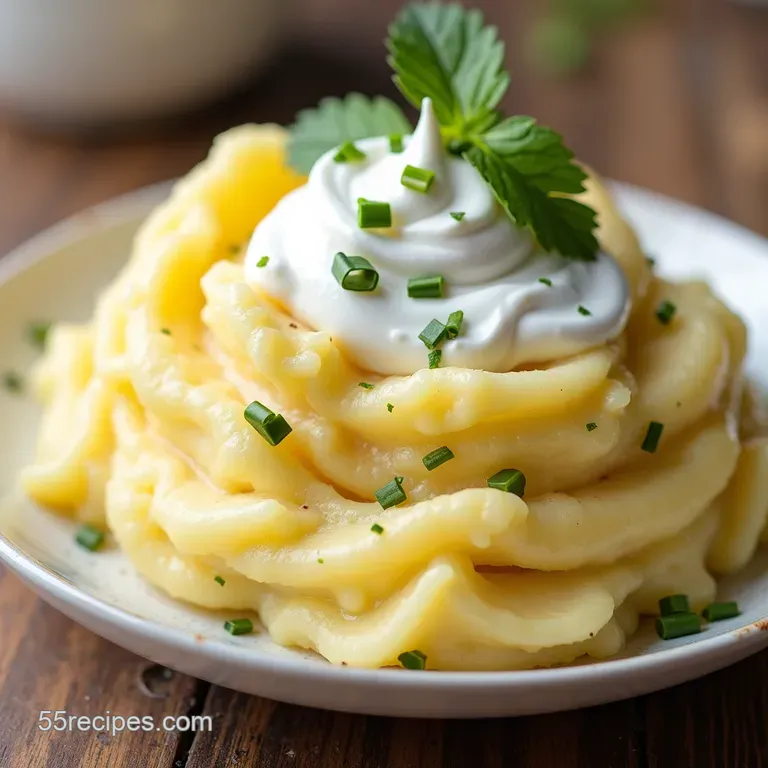
- Elevating the Humble Side Dish: Why This Tangy Mash Reigns Supreme
- Deconstructing Fluffiness: The Science Behind Our Creamy Mashed Potatoes with Sour Cream
- Curating Your Pantry for Peak Potato Perfection
- Essential Equipment for Lump-Free Mashing
- The Step-by-Step Journey to Golden, Creamy Delight
- Troubleshooting and Technique Refinements for Future Batches
- Storage Solutions: Keeping Your Tangy Mash Fresh
- Recipe FAQs
- 📝 Recipe Card
Elevating the Humble Side Dish: Why This Tangy Mash Reigns Supreme
Mashed potatoes are undeniably the dependable workhorse of the culinary world the ultimate comfort side dish that graces everything from weeknight dinners to holiday feasts. Yet, how often do we settle for merely adequate mash?
We aim for soft, but often end up with something heavy or slightly gluey. That changes today. We are diving deep into a recipe that transforms the ordinary into the extraordinary: Mashed Potatoes with Sour Cream .
This method introduces a vibrant, cultured tanginess that brilliantly cuts through the richness of butter and starch, creating a profile far more complex and satisfying than the usual milk and-butter rendition.
This isn't just a tweak; it’s a foundational shift that results in the Best Sour Cream Mashed Potatoes you’ll ever encounter. This Tangy Mashed Potatoes Recipe is proof that sometimes, the simplest substitutions yield the most dramatic flavour improvements, turning a simple side into the star of the plate.
Deconstructing Fluffiness: The Science Behind Our Creamy Mashed Potatoes with Sour Cream
Achieving true fluffiness requires understanding what defeats it. Starch is the enemy of lightness when mishandled. Our goal is to cook the starch granules just enough to swell them with water, and then incorporate the fat and dairy gently, ensuring they remain separate and light, rather than forcing them to bind into a gummy matrix.
This dedication to texture is what defines truly Fluffy Mashed Potatoes with Sour Cream .
Beyond Butter: Introducing the Sour Cream Advantage
While butter provides essential richness and flavour, it relies on milk solids for its comforting body. Sour cream brings something entirely different to the table: its natural acidity.
This acidity doesn't just add a pleasant sharpness; it also helps prevent the starches from fully bonding and becoming overly sticky during the mashing process. The result is a lighter mouthfeel that still delivers profound flavour a hallmark of Creamy Mashed Potatoes Sour Cream profiles.
Achieving That Perfect Un-Gluey Texture
The secret weapon against "gluey" mash lies in two critical preparation steps. First, we season the cooking water heavily with Kosher salt about 2 tablespoons for the entire batch. This seasons the potato from the inside out, meaning we don't have to rely solely on post cooking adjustments.
Second, and perhaps most crucial, we ensure the potatoes are bone dry before adding any fat. Excess moisture turns to steam, and when that steam mixes with the starch, the mash becomes dense.
The Essential Role of Pre-Roasting in Flavor Depth
For this particular batch, we skip a purely boiled approach and add a slight initial treatment to our Russet or Yukon Gold potatoes. After peeling the 3 lbs (1.4 kg) and quartering them evenly, we place them in the pot and cover them with cold water before adding the salt.
Bringing them slowly to a boil allows the starches to begin hydrating evenly. This slow, deliberate start is fundamental to creating the base for the ultimate flavour experience, ensuring even cooking before the dairy component is introduced.
Curating Your Pantry for Peak Potato Perfection
A masterful side dish starts with sourcing the right components. For this recipe, which yields about 6 generous servings, selecting the right type of potato is non-negotiable. While waxy potatoes (like red bliss) hold their shape too well, we require a high starch variety.
Russets or Yukon Golds are ideal because their relatively high starch content breaks down beautifully under the masher, creating that airy structure we crave. We will need 3 lbs (1.4 kg) of these spuds, peeled and quartered into uniform pieces to guarantee even cooking within the 30 35 minute cook time.
The total time commitment is about 50 minutes, making this an easily achievable, impressive result.
Related Recipes Worth Trying
- The Best Strawberry Shortcake with Flaky Homemade Biscuits — Forget spongy bases This classic strawberry shortcake recipe uses tender flaky biscuits layered with macerated strawberries and fresh cream Your new goto...
- The Best CloudLike Whipped Potatoes Recipe Silky Smooth Mash — Stop making gluey mash Learn the technique for truly airy whipped potatoes using simple ingredients like heavy cream and butter Effortlessly luxurious side dish
- Easy Homemade Cocktail Sauce Recipe with Real Horseradish Zing — Ditch the jar This easy cocktail sauce recipe delivers a zingy kick perfect for shrimp cocktail or crab cakes Ready in 5 minutes
Essential Equipment for Lump Free Mashing
While high end gear isn't mandatory, the right tools certainly make the journey to Mashed Potatoes Sour Cream Garlic flavourings much easier. A large stockpot is needed to give the potatoes room to move freely while boiling. A reliable colander is essential for draining rapidly.
For the mashing itself, a traditional hand masher works well, but for the absolute smoothest texture imaginable, consider using a food mill it pushes the cooked potato through fine discs, bypassing the risk of bruising the starch cells that a metal ricer or masher can sometimes cause.
A sturdy mixing bowl and a sharp vegetable peeler complete the basic setup.
Selecting the Ideal Starch Content: Which Potatoes Work Best?
As mentioned, high starch potatoes are the key to achieving Fluffy Mashed Potatoes with Sour Cream . They absorb the fats and liquids more readily and break down into a finer, lighter structure.
Avoid waxy potatoes entirely; they tend to create a sticky, dense mass that resists fluffiness, no matter how much technique you apply.
The Optimal Sour Cream to Butter Ratio Explained
To strike the perfect balance between richness and that necessary cultured bite, we use 6 tablespoons (85g) of cold, unsalted butter cut into small cubes, and a full 1 cup (240 ml) of full fat sour cream.
This ratio ensures that the buttery base is present, but the sour cream dominates the finish with its characteristic sharpness. For those seeking a variation, remember that Mashed Potatoes No Milk Sour Cream recipes rely entirely on this dairy combination for hydration and texture.
Seasoning Secrets: Beyond Salt and Pepper for Enhanced Taste
While we rely on aggressive salting of the cooking water (2 tablespoons of Kosher salt going in with the cold water), the final flavour profile should be anchored by freshly ground black pepper. The pungent aroma released by freshly cracked peppercorns complements the tang of the dairy beautifully.
For an immediate flavour upgrade, consider adding sautéed garlic a simple way to create Mashed Potatoes Sour Cream Garlic flavour without complicating the main steps.
The step-by-step Journey to Golden, Creamy Delight
This process is designed to move swiftly once the potatoes are tender. After the initial 15 20 minute boil, the next 10 minutes are the most important for texture control.
We are creating a dry environment first, melting the butter next, and folding the sour cream last never aggressively mixing. The goal is an exceptionally smooth product ready to be served hot.
Prepping and Pre-Baking: Setting the Flavor Foundation
Our preparation begins by peeling and cutting the 3 lbs of potatoes into roughly even quarters. We place these directly into the stockpot. We cover them with cold water until they are submerged by about an inch. Critically, we add our 2 tablespoons of Kosher salt now.
This initial seasoning is non-negotiable for deep flavour penetration.
Boiling Tactics: When Are Potatoes Truly Tender?
Place the pot over high heat until it reaches a rolling boil, then immediately reduce the heat to maintain a gentle, steady simmer. Cook for about 15 to 20 minutes.
The definitive test for tenderness is simple: if a fork slides into the center of the largest piece with absolutely no resistance, they are ready. If you feel any grit or resistance, continue simmering for a few more minutes.
The Crucial Whipping Phase: Avoiding Over Mixing
Drain the potatoes immediately and thoroughly into the colander. Then comes the technique that separates the masters from the amateurs: return the hot, drained potatoes to the empty pot and place it over low heat for just 2 to 3 minutes.
Gently shake the pot to allow residual surface water to evaporate completely. Remove from the heat. Add the 6 tablespoons of cold, cubed butter and begin mashing roughly. Once the butter has mostly melted into the starchy mass, you are ready for the dairy integration.
Final Seasoning Check: Adjusting for Tanginess in Your Mashed Potatoes with Sour Cream
Once the butter is incorporated, add the 1 cup of cold, full fat sour cream, along with a generous grinding of fresh black pepper. Switch from the masher to a sturdy wooden spoon or spatula.
Use a gentle folding motion to combine everything until the mixture is uniformly creamy and no streaks of white sour cream remain. This gentle incorporation is key to maintaining that desired airy quality. Taste immediately; adjust salt and pepper as needed to balance the sourness, ensuring the overall profile pops.
Troubleshooting and Technique Refinements for Future Batches
If your mash seems slightly thin, it’s often due to residual water or adding the dairy when the potatoes weren't dry enough. Next time, increase the time spent evaporating moisture over low heat. If it tastes bland, it needs more salt never be shy with the salt in the boiling water.
If you encounter lumps, it means the potatoes weren't tender enough, or you need to press them through a ricer or food mill next time instead of mashing vigorously. Mastering the Mashed Potatoes with Sour Cream technique means respecting the starch.
Storage Solutions: Keeping Your Tangy Mash Fresh
Leftovers of this stellar side should be stored in an airtight container in the refrigerator for up to three days. They reheat beautifully, though the texture will naturally stiffen slightly due to the high fat content.
Flavor Twists: Creative Add-ins for Next Level Mash
To introduce exciting new layers to your Creamy Mashed Potatoes Sour Cream base, consider variations. For a sharp, oniony lift, finely snip 2 tablespoons of fresh chives and fold them in right before serving this creates delightful Sour Cream Mashed Potatoes Chives topping.
Alternatively, for a decadent twist that combines richness and tang, you can mix in 4 ounces of softened cream cheese along with the sour cream, resulting in Mashed Potatoes Sour Cream and Cream Cheese indulgence.
Reheating Methods That Preserve Creaminess
The best way to reheat is gently on the stovetop in a heavy bottomed pan over very low heat. Stir frequently. If the mash seems too stiff, add a small splash of warm milk or a teaspoon of cream cheese to loosen it back to its original consistency.
Avoid the microwave if possible, as it tends to heat unevenly and can dry out the edges.
Nutritional Snapshot: Understanding the Sour Cream Contribution
While we prioritize flavour and texture here, it’s worth noting the nutritional shift introduced by the dairy. Using full fat sour cream contributes significantly more fat than standard milk, providing richer mouthfeel and satiety.
On average, a serving (estimated at 1/6th of the recipe) contains around 330 kcal and 17g of fat. This is a decadent side, best enjoyed alongside leaner proteins to balance the richness.
Make-ahead Timing: Preparing Components in Advance
You can certainly get a head start. The potatoes can be peeled, quartered, and stored submerged in cold water in the refrigerator for up to 24 hours before cooking. When ready to cook, drain them and proceed as directed.
While you can prepare the entire batch ahead of time, for optimal texture, it is highly recommended that you incorporate the butter and sour cream fresh, immediately before serving, to fully enjoy the impact of this Tangy Mashed Potatoes Recipe .
Recipe FAQs
Simple mashed potatoes with sour cream
For that perfectly fluffy texture in your mashed potatoes with sour cream, ensure your dairy additions the butter and sour cream are cold before folding them in; this helps emulsify beautifully without creating gluey potatoes.
Avoid overmixing after adding the sour cream; stop as soon as they are just combined to keep them light. These creamy delights are best enjoyed immediately, but leftovers can be stored airtight in the refrigerator for up to three days.
Mashed potatoes with sour cream and milk
For the creamiest results when incorporating sour cream, ensure it is cold and fold it in gently right at the end of mixing; overworking the potatoes after adding dairy is the key to avoiding a gluey texture.
If you are out of full fat sour cream, a combination of crème fraîche and a squeeze of lemon juice can mimic the necessary tang and richness. Store leftovers in an airtight container in the refrigerator for up to three days.
Mashed potatoes with sour cream and garlic
For the ultimate fluffy texture, ensure your sour cream is full fat and cold before folding it in; this adds tang without compromising the structure. Avoid overmixing after adding the dairy to prevent the potatoes from becoming gluey.
These tangy potatoes store well in the refrigerator for up to four days, reheated gently with a splash of milk if needed.
Mashed potatoes with sour cream and cheese
For truly fluffy results, ensure your cold butter and sour cream are incorporated gently off the heat to avoid activating too much starch and creating that unwelcome gluey texture. If you desire an even tangier flavour, a small dollop of cream cheese added with the sour cream provides extra body and richness.
Store leftovers in an airtight container in the refrigerator for up to three days.
Why put sour cream in mashed potatoes?
Adding sour cream to mashed potatoes introduces a delightful, bright tang that beautifully balances the richness of butter and cream. This cultured dairy also contributes to a wonderfully velvety and smooth texture without making the mash gluey, provided you fold it in gently.
For best results, ensure the sour cream is cold when you incorporate it at the end of mixing.
Can you use sour cream in place of milk for mashed potatoes?
Absolutely, sour cream is a wonderful substitute for milk in mashed potatoes, lending a delightful tanginess and luxurious creaminess. Use a one-to-one ratio for substitution, but be mindful that sour cream is thicker, so you may need a splash of regular milk or reserved potato water to reach your desired consistency.
Folding it in off the heat is key to maintaining that velvety texture and preventing any curdling.
Tangy Sour Cream Mash