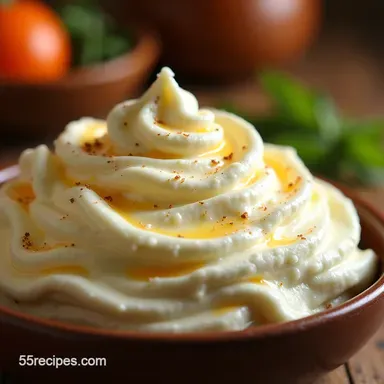
The Cloud Nine Whipped Potatoes Rich Silky Smooth Utterly Unforgettable
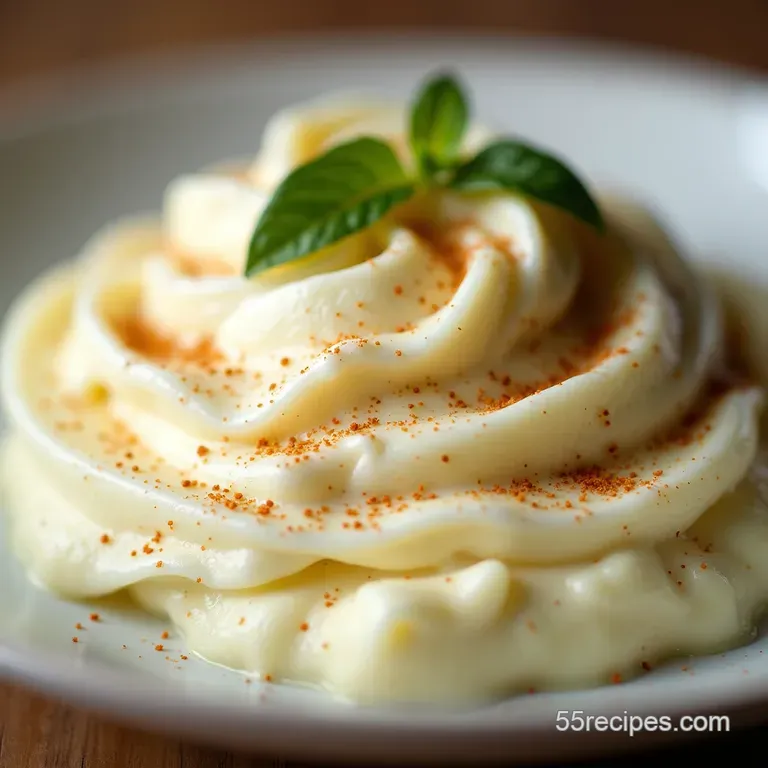
- Ascending to Fluffy Heaven: Why These Aren't Just Any Mashed Potatoes
- Deconstructing the 'Cloud Nine' Difference in Whipped Potatoes
- The Curated Arsenal: Components for Peak Whipped Potatoes
- Tool Talk: Necessary Equipment for Achieving Silky Perfection
- Mastering the Boil: Preparing Potatoes for Transformation
- Elevating Your Whipped Potatoes: Flavor Enhancements and Twists
- Preservation Protocols: Keeping the Clouds Intact Post-Service
- Recipe FAQs
- 📝 Recipe Card
Ascending to Fluffy Heaven: Why These Aren't Just Any Mashed Potatoes
There are few side dishes as universally beloved as mashed potatoes. They are the ultimate comfort food, the necessary anchor to a Sunday roast, and the silent hero of countless family dinners. However, there is a vast gulf between standard, slightly gluey mash and the ethereal texture we are striving for today.
This recipe targets true luxury the kind of dish that feels delicate on the palate yet deeply satisfying. When we talk about achieving cloud like whipped potatoes , we are moving beyond simply avoiding lumps; we are discussing aeration, moisture management, and temperature control to create something truly exceptional.
This careful approach ensures that the final product is not just smooth, but actually light, making every forkful an elevated experience.
Deconstructing the 'Cloud Nine' Difference in Whipped Potatoes
The secret to transforming humble tubers into a masterpiece lies in understanding the behavior of potato starch. When over agitated or mixed with cold liquids, the starch molecules swell and bind together, resulting in a heavy, sticky texture.
Our goal in crafting the best whipped potatoes is the opposite: to keep those starch granules suspended in a rich, warm fat and dairy matrix, allowing them to remain distinct and light.
This intentional technique is what separates these airy mashed potatoes from their heavier cousins.
Setting the Standard: Our Quest for Zero Gravity Texture
To achieve that coveted zero gravity texture, technique trumps all else. We must respect the potato’s structure from the moment it hits the water to the final fold. This means precise cutting, perfect boiling until fork tender, and, critically, ensuring every drop of surface moisture is evaporated before any fat or liquid is introduced.
This rigorous attention to dryness prevents dilution, which is the first enemy of airy texture.
The Essential Role of the Right Starch Selection
Not all potatoes are created equal when aiming for the whipped potatoes recipe perfection we seek. Potatoes are generally categorized by their starch content. High starch varieties, like Russets, break down beautifully, offering a fluffy canvas.
Medium starch potatoes, such as the Yukon Gold we favour here, provide an excellent balance: they offer that inherent buttery flavor while still providing enough structure to hold air during the whipping process.
Low-starch waxy potatoes (like red potatoes) should generally be avoided for this preparation as they tend to become gummy when mashed intensely.
Why Warm Dairy is the Unsung Hero of Creaminess
When adding richness, we must be strategic about temperature. Introducing cold whipped potatoes ingredients like milk or cream will immediately cool the potato mash, causing the starches to seize up and lose their malleability.
By ensuring our dairy components are gently warmed just steaming, not boiling we maintain the heat of the potatoes. This allows the butter and cream to melt seamlessly and incorporate smoothly, leading directly to that velvety finish characteristic of truly luxurious mashed potatoes .
The Curated Arsenal: Components for Peak Whipped Potatoes
Building these whipped potatoes requires a selection of ingredients chosen for their quality and their ability to interact favorably under gentle mixing. We are keeping the flavor profile pure and classic, allowing the potato itself to shine, enhanced only by high-quality fats and liquids.
For our Whipped Potatoes with Sour Cream inspired lightness, we rely on rich whipped potatoes with heavy cream . We will use 3 lbs (1.35 kg) of Yukon Gold potatoes, cut into uniform 1.5 inch chunks to ensure they cook evenly.
To season the potato from the core outward, we add a generous 2 tablespoons of Kosher Salt directly into the boiling water. The richness comes from 6 tablespoons (about 3/4 stick) of high-quality unsalted butter, cut into cubes and left to come to room temperature.
Finally, for liquid, we use 1/2 cup (120 ml) of heavy cream, warmed gently before deployment. This simple combination, executed correctly, yields incredible depth.
Related Recipes Worth Trying
- Best Crispy Parmesan Smashed Potatoes Recipe oven roasted — Want truly crispy parmesan smashed potatoes This oven recipe delivers maximum crunch and that salty herby flavour Easy technique for foolproof results
- Crispy Oven Fried Potatoes Proper PubStyle at Home — Forget the chippy Get proper crispy oven fried potatoes like your favorite pub Easy healthier oven baked fries are a cinch with this simple trick
- Garlic Herb Smashed Potatoes My Crispy Easy Recipe — Learn how to make smashed potatoes with garlic butter My easy smashed potatoes recipe delivers crispy edges fluffy insides The perfect side dish ready in...
Tool Talk: Necessary Equipment for Achieving Silky Perfection

The right tools are as crucial as the ingredients when aiming for these airy wonders. While a simple masher will get you there, precision tools can guarantee consistency across the entire batch, which serves 6 generously.
Selecting the Prime Potato Variety for Whipping
As mentioned, Yukon Golds offer that ideal balance of starch and inherent buttery flavor, setting a superior base for your mash. If using Russets, you may find they require slightly less added liquid due to their higher starch content, so always proceed with caution when incorporating cream.
Butter Quality and Dairy Choices: Fat Content Matters
When incorporating fat, remember that flavor transfers best through it. Use real unsalted butter; the flavor is unmatched. While some recipes substitute milk for cream, sticking to heavy cream provides the highest fat content necessary to suspend the starches beautifully, yielding that signature whipped potatoes with heavy cream silkiness.
Precision Measurement Guide: US Customary vs. Metric Breakdown
Accuracy in liquid measurement is key to avoiding a watery end product. For this recipe, 3 lbs of potatoes is roughly 1.35 kg. The necessary half cup of cream translates precisely to 120 ml. Always measure liquids accurately, particularly if you are working with a new recipe, to maintain the intended consistency.
The Essential Whipping Implement: Avoiding the Heavy Hand
The cardinal rule for achieving airy mashed potatoes is avoiding mechanical over mixing. Never, under any circumstances, use a stand mixer or an electric hand mixer on high speed. These tools work too vigorously, beating the air out and releasing excessive starch.
The ideal equipment is a potato ricer or a food mill, which breaks down the cooked potato into fine strands without overworking the starches. If these aren't available, a traditional hand masher used lightly is the next best choice.
Mastering the Boil: Preparing Potatoes for Transformation
The cooking stage dictates everything that follows. A perfectly cooked potato is soft all the way through, meaning it requires minimal effort to break down, thus reducing the risk of over mixing later.
Perfecting the Initial Cut and Initial Simmer
Peel your potatoes and cut them into pieces no larger than 1.5 inches. Uniformity is paramount; larger chunks will be undercooked when the smaller pieces are ready. Place these pieces in a large stockpot and cover them with cold water, ensuring the water level is about an inch above the potatoes.
Crucially, add 2 tablespoons of Kosher Salt to this water. This step seasons the potato internally, providing a depth of flavor that salting only at the end cannot replicate. Bring the water to a rolling boil over high heat, then reduce to a steady simmer until a knife passes through the potato with no resistance whatsoever.
The Crucial Step: Achieving Complete Dryness Post Boil
Once tender, drain the potatoes completely in a colander. This next part is non-negotiable for excellent whipped potatoes . Return the drained potatoes to the hot, empty pot. Place this pot over very low heat for just one to two minutes, shaking the pot gently but continuously.
This process gently steams off residual surface moisture clinging to the potato cells. Wet potatoes lead directly to watery mash, so this drying step is your insurance policy for fluffiness.
Warming the Dairy Base Before Introduction
While the potatoes are steaming dry, take your half cup of heavy cream and warm it in a small saucepan until it is visibly steaming it should feel hot to the touch, but not actively bubbling. Keep your room temperature butter cubes ready beside the stove.
Executing the Fold: Whipping Techniques That Lighten the Load
Remove the pot of dried potatoes from the heat. If using a ricer or food mill, process the potatoes directly into a clean, dry bowl. If using a hand masher, mash them thoroughly now. Immediately add the cubed butter and gently fold it in until it begins to melt into the hot mass.
Next, introduce the warm cream incrementally, folding gently between each small addition. The motion should be lifting and folding, encouraging air into the mixture rather than smashing the starches down.
Continue this gentle incorporation until you achieve the desired creamy, airy texture, which defines true whipped potatoes recipe success.
Elevating Your Whipped Potatoes: Flavor Enhancements and Twists
Once you have mastered the pure, silken base, you can begin to experiment with flavor profiles. These additions should be folded in right at the end, after the primary texture has been established.
Flavor Boosters: Herb Infusions and Savory Add-ins
For a vibrant lift, consider folding in 2 tablespoons of finely chopped fresh chives as a garnish or mixing them in just before serving. For a richer, deeper flavor, sauté three minced cloves of garlic very gently in the butter before adding the butter to the potatoes.
If you prefer an herbaceous depth, a tablespoon each of finely chopped fresh thyme and rosemary can be incorporated with the final seasoning check.
Preservation Protocols: Keeping the Clouds Intact Post Service
The fleeting nature of perfect texture means careful handling post preparation is required to ensure they remain enjoyable.
Troubleshooting Guide: Recovering from Starchy Missteps
If you accidentally over mix and the potatoes become slightly heavy, don't despair. A splash of extra warm cream, folded in very gently, can sometimes loosen the mixture slightly. If they are truly gluey, the only fix is often to incorporate them into a baked potato topping or a shepherd's pie base, as the original structure is compromised.
Optimal Storage Duration and Reheating for Texture Retention
These whipped potatoes are best enjoyed immediately. If leftovers must be stored, place them in an airtight container in the refrigerator for up to three days. Reheating is tricky: avoid the microwave, as it can dry them out or make them dense.
Instead, reheat slowly on the stovetop over very low heat, stirring in an extra tablespoon of warm cream or milk as you go to restore moisture and fluffiness.
Pairing Suggestions: What Complements Superior Mash?
These rich, luxurious mashed potatoes demand a strong companion. They excel beneath robust sauces think deeply flavourful mushroom gravies or a simple pan-dripping reduction from roast chicken.
They also provide a necessary, creamy contrast to sharp, acidic dishes like balsamic glazed pork tenderloin or seared duck breast.
Recipe FAQs
Why do my Whipped Potatoes sometimes turn out sticky or gluey instead of fluffy?
This is usually down to one of two things: over mixing or adding cold ingredients. If you use an electric mixer or food processor, you overwork the starch, making them gluey a real shame, that! Always use a masher or ricer and stop as soon as the mixture is just combined, folding in the warm dairy gently.
What is the secret to making these Whipped Potatoes truly light and airy, not just smooth?
The secret sauce is twofold: drain those spuds properly and warm your cream. After draining, place the potatoes back in the hot, empty pot for a minute or two over low heat to steam off excess moisture. Then, always incorporate warm butter and warm cream; cold liquids shock the starch and weigh the potatoes down.
Can I make these ahead of time for a big gathering?
You certainly can! You can mash the potatoes and keep them overnight in the fridge, but they will firm up. To revive them, place them in a slow cooker on the lowest setting, or gently reheat them in a pot over low heat, adding a splash more warm cream or milk until they reach the right consistency.
Don't try to microwave large batches, or they’ll be patchy!
What kind of potato is best for achieving that luxurious texture?
For the absolute best results, we recommend Yukon Golds; they are naturally buttery and hold their shape well while still whipping up beautifully. If you prefer an even fluffier, slightly drier texture (like a classic roast accompaniment), Russets are a brilliant alternative, provided you dry them out well after boiling.
I don't have heavy cream; what's the best substitution for my Whipped Potatoes?
If you're out of heavy cream, don't fret; you can use warmed whole milk or half and-half, though the final result will be slightly less rich and decadent. For a lower fat option, sour cream or crème fraîche stirred in at the end adds a lovely tanginess, but remember to add it off the heat to prevent curdling.
Cloud Nine Whipped Potatoes