Tender Skirt Steak: High-Heat Sear
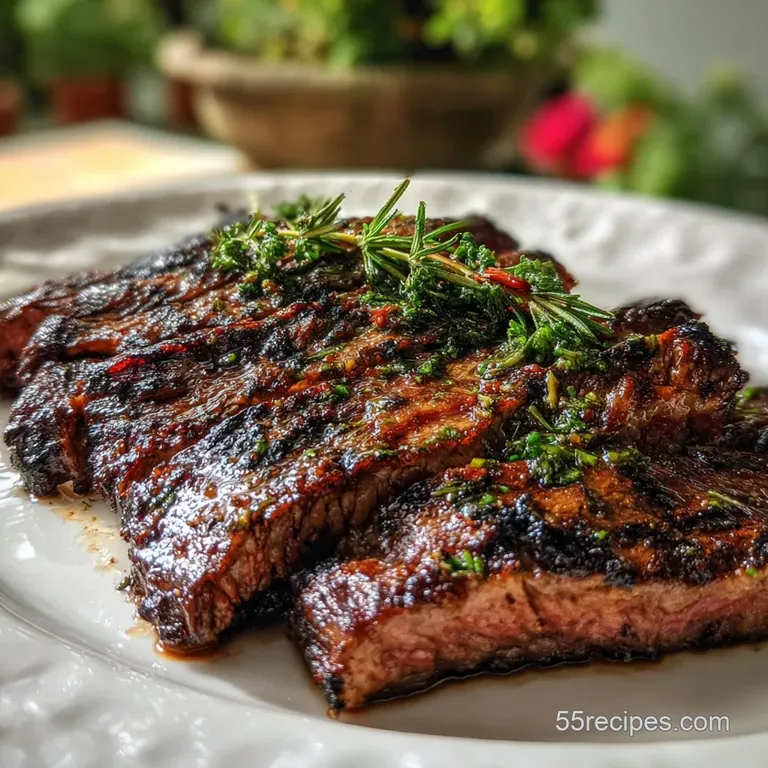
- Time: Active 15 minutes, Passive 30 mins, Total 45 mins
- Flavor/Texture Hook: Zesty, smoky, and melt in-your mouth tender
- Perfect for: Weeknight tacos, summer grilling, or meal prep
- How to Perfect Your Backyard Skirt Steak
- The Secret Physics of High Heat
- Essential Beef Cooking Benchmarks
- Smart Budget Ingredient Pantry Items
- Basic Kitchen Tools for Success
- Step by Step Searing Method
- Fixing Texture and Flavor Errors
- Flexible Diet and Allergy Swaps
- Keeping Your Leftovers Tasting Fresh
- Creative Flavor Pairing Ideas
- The Secret Searing Myths
- Recipe FAQs
- 📝 Recipe Card
How to Perfect Your Backyard Skirt Steak
Right then, let's talk about the first time I tried to prepare skirt steak. I was so excited to save money compared to buying ribeye, so I just threw it on a lukewarm pan and hoped for the best. The result? I basically served my family a seasoned rubber band. It was chewy, gray, and honestly quite depressing.
But that mistake taught me everything I needed to know about this beautiful, misunderstood cut.
We've all been there, standing in the meat aisle wondering why this long, thin strip of beef is so much cheaper than the others. The secret is that it's packed with more beefy flavor than almost any other part of the cow, but it requires a little bit of science and a lot of heat to make it shine.
Today, we are skipping the expensive steakhouse prices and making something that tastes even better in our own kitchens.
This recipe is our household go to when we want that restaurant quality sear without the "gourmet" ego. You don't need a degree in culinary arts to get this right. You just need to follow a few simple rules about timing and temperature.
Once you hear that first aggressive sizzle in the pan, you'll know exactly what I mean. Let's get into the nitty gritty of why this works.
The Secret Physics of High Heat
Understanding the "how" behind your dinner makes you a better cook instantly. With this specific cut, we are dealing with long, tough muscle fibers that need to be tamed before they reach your plate.
- Acidic Denaturation: The fresh lime juice and soy sauce work together to break down the surface proteins, softening the exterior before it ever hits the heat.
- Sugar Caramelization: Adding just 1 tbsp brown sugar triggers a rapid Maillard reaction, which is the chemical dance between amino acids and reducing sugars that creates a dark crust.
- Thermal Shock: Blasting the meat with high heat in avocado oil causes the moisture on the surface to evaporate instantly, preventing the meat from steaming in its own juices.
- Grain Geometry: Slicing against those visible fibers shortens the protein strands, making every bite feel velvety rather than stringy.
| Thickness | Internal Temp | Rest Time | Visual Cue |
|---|---|---|---|
| 0.5 inch | 130°F (Med Rare) | 5 minutes | Deep brown crust with pink center |
| 0.75 inch | 135°F (Medium) | 8 minutes | Charred edges, warm pink middle |
| 1 inch | 145°F (Medium Well) | 10 minutes | Firm touch, hint of light pink |
I usually aim for that medium rare sweet spot because this cut can get quite dry if it stays on the heat too long. If you're looking for a different vibe, you might enjoy my BBQ Beef Skirt recipe which uses a slightly different charring technique. The goal here is speed and intensity.
Essential Beef Cooking Benchmarks
When we look at what makes this dish tick, it comes down to a few key players. We aren't just adding flavors for the sake of it; every ingredient has a specific job to do in the bowl.
| Ingredient | Science Role | Pro Secret |
|---|---|---|
| Soy Sauce | Liquid Brine | Provides deep umami and seasons the meat from the inside out. |
| Lime Juice | Protein Relaxer | Breaks down connective tissue so the meat stays tender after searing. |
| Brown Sugar | Crust Catalyst | Speeds up the browning process so we get a sear before the middle overcooks. |
| Avocado Oil | Heat Conductor | Has a high smoke point that allows for the aggressive "shatter" crust we want. |
Using a high smoke point oil like avocado oil is non negotiable here. If you use butter or extra virgin olive oil for the actual searing, it will burn and turn bitter before the steak is actually done. Save the flavorful oils for the marinade and the over high heat oils for the skillet.
Smart Budget Ingredient Pantry Items
To prepare skirt steak properly, you don't need to empty your wallet at a fancy grocery store. Most of these items are probably sitting in your cupboard right now. This is a family friendly way to eat like royalty on a budget.
- 1.5 lbs Skirt Steak: Why this? It has the best fat to flavor ratio for quick cooking.
- Substitute: Flank steak (but it will be slightly leaner and tougher).
- 1/3 cup Extra Virgin Olive Oil: Why this? Carries the fat soluble spices deep into the meat fibers.
- Substitute: Any neutral vegetable oil you have on hand.
- 1/4 cup Soy Sauce: Why this? Acts as the primary salt source and tenderizer.
- Substitute: Tamari or liquid aminos for a gluten-free option.
- 2 tbsp Fresh Lime Juice: Why this? Cuts through the richness of the beef fat.
- Substitute: Apple cider vinegar or lemon juice.
- 4 cloves Garlic: Why this? Smashed garlic releases oils more slowly for a balanced flavor.
- Substitute: 1 tsp garlic powder in a pinch.
- 1 tbsp Brown Sugar: Why this? Essential for that smoky, charred exterior flavor.
- Substitute: Honey or maple syrup (keep an eye on it, as these burn faster).
- 1 tsp Cumin: Why this? Adds an earthy, warm undertone common in fajitas.
- Substitute: Ground coriander for a brighter, citrusy vibe.
- 1 tsp Smoked Paprika: Why this? Mimics the flavor of an outdoor wood grill.
- Substitute: Regular paprika plus a drop of liquid smoke.
- 1 tbsp Avocado Oil: Why this? Safe for the screaming hot pan temperatures needed.
- Substitute: Grapeseed oil or refined coconut oil.
- 1 tsp Flaky Sea Salt: Why this? Adds a crunch and pops of saltiness at the very end.
- Substitute: Regular kosher salt.
- 1 tbsp Fresh Cilantro: Why this? Brightens up the plate and cuts the heaviness.
- Substitute: Flat leaf parsley if you aren't a cilantro fan.
Basic Kitchen Tools for Success
You don't need a bunch of gadgets for this. If you have a heavy pan, you are 90% of the way there. I prefer a cast iron skillet (like a Lodge) because it holds onto heat like a champ.
When you drop cold meat onto a thin stainless steel pan, the temperature drops immediately, and you end up "boiling" your steak in its own juices. We want to avoid that gray look at all costs!
A good pair of long tongs is also helpful so you can flip the meat without getting splattered by hot oil. Since we are working with such high temperatures, safety is key. Finally, make sure you have a sharp chef's knife.
Cutting this steak with a dull blade will tear the meat and ruin that beautiful texture we worked so hard to create.
step-by-step Searing Method
Breaking Down Tough Fibers
First, we need to address the silver skin. Use a sharp knife to trim away any thick, white membrane on the surface of your 1.5 lbs Skirt Steak. Note: If you leave this on, the meat will curl up in the pan and become very chewy.
Marinating for Maximum Tenderness
In a large bowl, whisk together 1/3 cup Extra Virgin Olive Oil, 1/4 cup Soy Sauce, 2 tbsp Fresh Lime Juice, 4 cloves smashed Garlic, 1 tbsp Brown Sugar, 1 tsp Cumin, and 1 tsp Smoked Paprika. Submerge the steak and let it hang out for at least 30 minutes.
Note: The acid in the lime starts working immediately, so don't go over 8 hours or the meat gets mushy.
Preparing for the Sear
Remove the steak from the bowl and pat it completely dry with paper towels. This is the most important step.Note: Moisture is the enemy of a good crust; a wet steak will steam, not sear.
Mastering the over High heat Flip
Heat 1 tbsp Avocado Oil in your skillet over medium high heat until the oil is shimmering and just starting to smoke. Lay the steak in the pan (it should sizzle aggressively). Cook for 3-4 minutes without moving it.
Achieving the Golden Crust
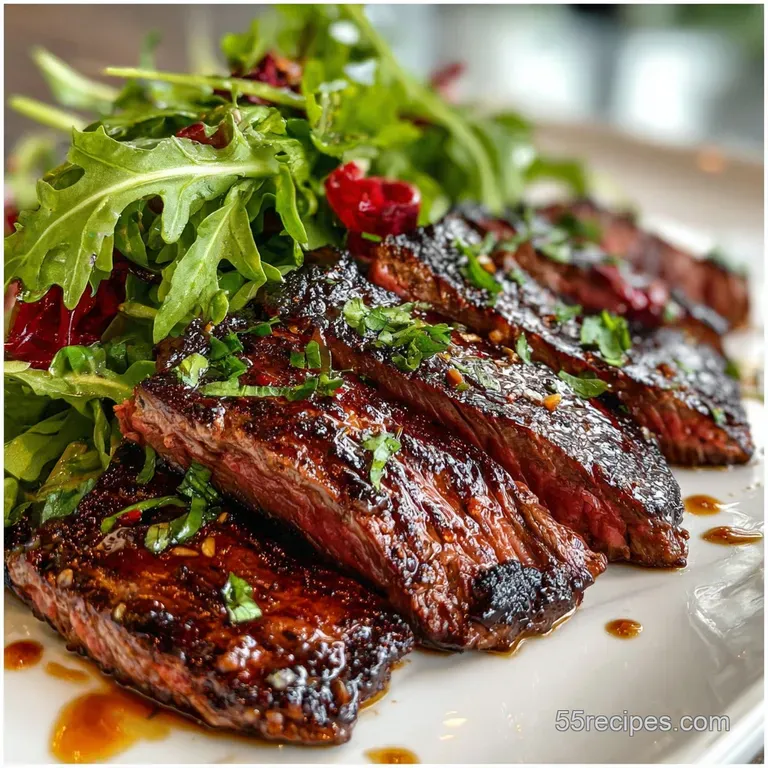
Flip the steak and cook for another 3-4 minutes until the exterior is dark brown and slightly charred. If you use a meat thermometer, you're looking for 130°F for medium rare.
The Essential Rest Period
Transfer the meat to a cutting board and sprinkle with 1 tsp Flaky Sea Salt. Let it sit undisturbed for 5 minutes. Note: This allows the juices to redistribute so they don't all run out when you cut it.
Executing the Perfect Slice
Identify the direction of the long muscle fibers. Position your knife perpendicular to those lines and slice into thin strips. Always cut against the grain.
The Final Flourish
Garnish with 1 tbsp chopped Fresh Cilantro and an extra squeeze of lime if you're feeling fancy. Serve immediately while it's still warm and the crust is at its peak.
Fixing Texture and Flavor Errors
Avoiding the "Gray Meat" Syndrome
If your steak looks gray and boiled instead of brown and crispy, your pan wasn't hot enough or you didn't pat the meat dry. To fix this next time, let your cast iron preheat for at least 5 minutes.
If it happens mid cook, remove the meat, wipe the pan, add fresh oil, and wait for it to smoke before putting the meat back in for a quick blast.
Salvaging an Overcooked Cut
Did you leave it on too long? It happens! If the steak is tough and well done, slice it as thinly as humanly possible almost like shaved deli meat. Toss the slices with a little extra olive oil and lime juice to add some artificial moisture back into the fibers.
| Problem | Root Cause | Solution |
|---|---|---|
| Tough/Chewy | Cut with the grain | Slice perpendicular to the visible muscle fibers next time. |
| Bitter Aftertaste | Burned garlic or sugar | Scrape off charred bits and finish with a fresh squeeze of lime. |
| Bland Interior | Short marinating time | Let it sit for at least 30 minutes; don't skip the soy sauce. |
Common Mistakes Checklist
- ✓ Pat the meat bone dry with paper towels before it hits the pan.
- ✓ Don't overcrowd the skillet; cook in batches if your steak is too long.
- ✓ Never skip the resting period — 5 minutes changes everything.
- ✓ Use a over high heat oil like avocado or grapeseed, never butter for the initial sear.
- ✓ Always slice against the grain for that "melt in-your mouth" feel.
Flexible Diet and Allergy Swaps
One of the reasons I love this dish is how easy it is to adjust for different family needs. If you are watching your salt, the Soy Sauce is the first thing to look at. You can swap it for a low sodium version, though you might lose a bit of that deep umami hit.
For those following a Keto or Paleo lifestyle, the brown sugar might seem like a dealbreaker. You can easily swap it for a keto friendly sweetener like erythritol or just omit it entirely. You won't get the same dark caramelization, but the flavor will still be fantastic. If you're looking for more comfort food beef options that are easy on the wallet, check out my Homemade Salisbury Steak recipe.
| Original Ingredient | Substitute | Why It Works |
|---|---|---|
| Soy Sauce | Coconut Aminos | Lower sodium and soy free. Note: Slightly sweeter than soy sauce. |
| Brown Sugar | Honey | Natural sweetener. Note: Burns much faster, so watch the heat. |
| Lime Juice | Rice Vinegar | Similar acidity levels. Note: Lacks the citrus "zing" of fresh lime. |
If you find yourself needing to feed a crowd, scaling up is simple. Just remember that when you double the meat, you only need about 1.5x the salt and spices. Liquid amounts should stay roughly the same as the original recipe unless you are marinating in two separate bags.
For smaller portions, you can easily halve the recipe, just use a smaller pan to ensure the oil doesn't just evaporate and burn.
Keeping Your Leftovers Tasting Fresh
Storage: You can keep cooked steak in an airtight container in the fridge for up to 4 days. I actually love cold steak on a salad the next day! If you want to freeze it, wrap the cooked (and cooled) steak tightly in plastic wrap, then put it in a freezer bag. It will stay good for up to 3 months.
Reheating: This is the tricky part. You don't want to cook it twice! The best way to reheat is in a warm skillet over medium heat for just 1-2 minutes per side. Avoid the microwave if you can, as it turns the beef into leather.
If you must use a microwave, use 50% power in 30 second bursts.
Zero Waste: Don't throw away those garlic cloves or the leftover marinade! While you shouldn't reuse the marinade that touched raw meat for a sauce (unless you boil it for 5 minutes), you can use the trimmed fat scraps to "season" your cast iron pan for future use.
Any leftover steak ends that are too small for a meal are perfect for breakfast tacos with scrambled eggs the next morning.
Creative Flavor Pairing Ideas
Since this dish has such a strong personality, you want sides that can hold their own without clashing. I usually go for something bright and crunchy to contrast the rich, smoky beef.
- Classic Street Tacos: Serve with warm corn tortillas, pickled red onions, and a dollop of sour cream.
- Steak Salad: Thin slices over a bed of arugula with cherry tomatoes and a lime vinaigrette.
- Hearty Bowl: Serve over cilantro lime rice with some black beans and roasted corn.
If you are in the mood for a different kind of steak experience, you might want to try my T Bone Steak recipe for those nights when you want a more traditional steakhouse vibe. But for a quick, flavorful Tuesday night, nothing beats a well prepared skirt steak.
The Secret Searing Myths
A lot of people think that searing "locks in the juices." I hate to be the bearer of bad news, but that's actually a total myth! Searing is strictly for flavor and texture the Maillard reaction creates those hundreds of new flavor compounds we love.
The actual "juiciness" comes from not overcooking the meat and letting it rest so the internal moisture stays put.
Another myth is that you should only flip a steak once. Honestly, flipping it every minute can actually lead to a more even cook and a faster crust formation. For a thin cut like this, though, I stick to the "one flip" method just to keep things simple and ensure that deep char.
Finally, don't believe the idea that you can't salt your meat before it hits the pan because it "draws out moisture." While salt does draw out moisture, if you let it sit for at least 30 minutes (like in our marinade), that moisture gets reabsorbed back into the fibers, seasoning the meat all the way through.
It's brilliant chemistry at work!
Recipe FAQs
What is the best cooking method for skirt steak?
High heat searing in a cast iron skillet is best. Skirt steak is thin and benefits from rapid cooking to develop a crust without overcooking the interior. Use a very hot pan with high smoke point oil for a quick, aggressive sear.
How do you tenderize skirt steak?
Use an acidic marinade for at least 30 minutes. Ingredients like lime juice or vinegar help break down the tough exterior muscle fibers before cooking. This mechanical breakdown is crucial for a tender bite after searing.
What is the 3 3 3 rule for steaks?
No, the 3 3 3 rule is not standard for skirt steak. That common suggestion (sear 3 minutes per side, rest 3 minutes) works better for thicker cuts like ribeye. Skirt steak is thin and usually requires 3-4 minutes per side depending on thickness, followed by a mandatory 5-minute rest.
How do restaurants get skirt steak so tender?
Restaurants rely on three key steps: aggressive marination, high heat cooking, and precise slicing. They use acidic marinades to pre-tenderize, blast the steak quickly to maintain juiciness, and always slice thinly against the grain, a technique you can master when following the searing principles in
our Chuck Eye Steak: Ultimate Pan-Seared Recipe with Garlic Butter recipe.
Should I salt the skirt steak before marinating it?
Yes, salting it within the marinade is highly effective. While salt initially draws moisture out, if it sits for a minimum of 30 minutes, the salt dissolves and reabsorbs, seasoning the meat deeply before the acid tenderizes the surface.
Can I cook skirt steak using the reverse sear method?
No, reverse searing is inefficient for skirt steak due to its thinness. This method is better suited for thick cuts where you need gentle internal warming before a final blast of heat, like our Reverse Sear Ribeye Steakhouse Perfection at Home guide.
What is the proper way to slice cooked skirt steak?
Always slice against the grain into thin strips. Locate the direction of the long muscle fibers running along the length of the steak and cut perpendicularly across them. This shortens the tough fibers, making the steak instantly feel more tender.
Buttery Skirt Steak Masterclass
Ingredients:
Instructions:
Nutrition Facts:
| Calories | 428 kcal |
|---|---|
| Protein | 35g |
| Fat | 31g |
| Carbs | 2g |
| Fiber | 0g |
| Sugar | 1g |
| Sodium | 620mg |
