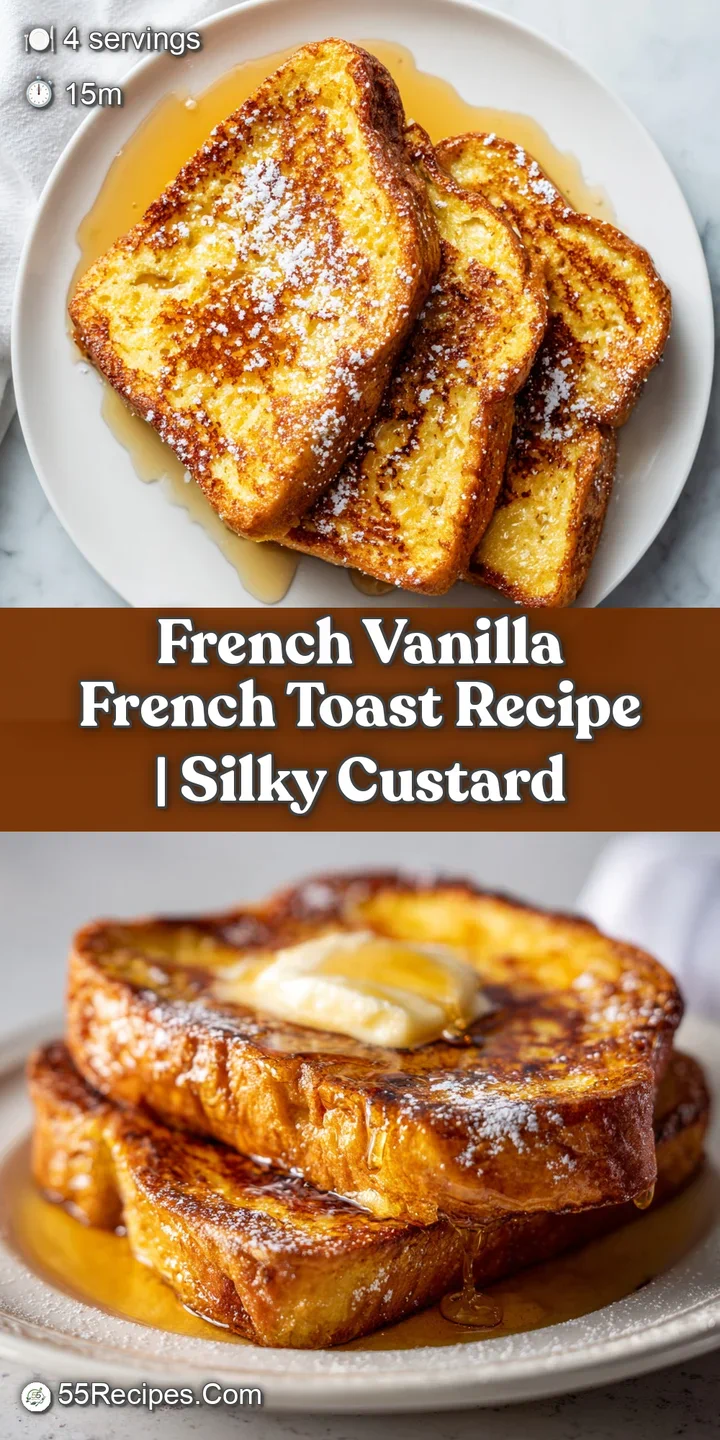
French Vanilla French Toast
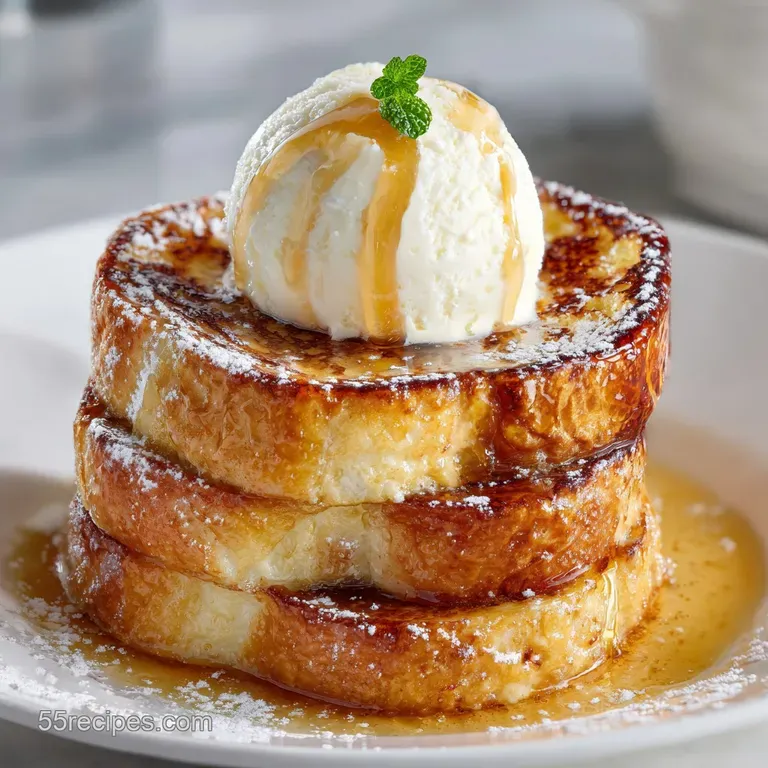
- Time: Active 5 minutes, Passive 10 minutes, Total 15 minutes
- Flavor/Texture Hook: Silky vanilla custard with a buttery, crispy exterior
- Perfect for: Decadent weekend brunches or a quick, sweet weekday treat
- Best French Vanilla French Toast Recipe
- Why This Custard Actually Works
- Breaking Down the Key Elements
- Essential Tools for Golden Crusts
- Mastering the Golden Sizzle Steps
- Avoiding the Common Soggy Mess
- Creative Custard Flavor Tweaks
- Scaling the Batch for Crowds
- Truths Behind the Custard Soak
- Storage and Zero Waste Ideas
- Recipe FAQs
- 📝 Recipe Card
Best French Vanilla French Toast Recipe
That sizzle when buttery brioche hits a hot cast iron skillet? It is basically my love language. I remember the first time I tried using French Vanilla creamer instead of just plain milk. I was out of heavy cream, panicked, and grabbed the bottle from the fridge door.
The kitchen immediately filled with that warm, heady aroma of toasted vanilla beans and caramelized sugar. It was a happy accident that changed my breakfast game forever.
We’ve all been there with soggy, limp bread that tastes more like a wet sponge than a breakfast treat. But using French Vanilla French Toast as your base solves that instantly. The creamer adds a level of fat and pre blended flavor that regular milk just can't touch.
You get that rich, deep vanilla profile without having to scrape expensive vanilla beans or measure out multiple extracts.
This version is for the home cook who wants a high end brunch experience without the high end effort. We are focusing on a thick cut soak that stays sturdy and a frying technique that ensures a golden, crispy edge every single time.
It is straightforward, reliable, and honestly, a bit of a secret weapon when you have guests over.
| Method | Time | Texture | Flavor Profile |
|---|---|---|---|
| Fast (This Recipe) | 15 minutes | Velvety & Crispy | Intense vanilla, sweet cream |
| Classic Method | 30 minutes | Soft & Airy | Subtle vanilla, requires syrup |
Why This Custard Actually Works
The success of this dish relies on the specific chemistry of the custard. When you mix eggs with French Vanilla creamer, you are creating a high fat emulsion that behaves differently than a standard milk and egg mixture.
The extra lipids in the creamer act as a barrier, preventing the bread from absorbing too much water and becoming structural mush. It is a smarter way to get that rich mouthfeel.
- Protein Coagulation: The eggs set at a low temperature, turning the liquid soak into a soft, solid custard inside the bread.
- Maillard Reaction: The sugars in the creamer caramelize against the hot butter, creating a complex, toasted flavor.
- Fat to Liquid Ratio: High fat content from the creamer ensures a silky interior that feels dense rather than watery.
- Aromatic Stability: The vanilla flavor in the creamer is designed to withstand heat, unlike some cheap extracts that evaporate.
If you are looking for more festive French inspiration after this breakfast, you might enjoy trying a Classic French Buche recipe for your next big holiday gathering.
| Cook Method | Time | Texture Result | Best For |
|---|---|---|---|
| Stovetop Skillet | 10 minutes | Crispy, buttery edges | Achieving the classic golden sear |
| Oven Sheet Pan | 20 minutes | Uniformly soft and puffy | Feeding a large crowd all at once |
Breaking Down the Key Elements
Choosing the right bread is the most vital decision you'll make here. I always reach for brioche because its high egg and butter content gives it a sturdy architecture. If you use thin, white sandwich bread, it will likely disintegrate before it even hits the pan.
You want something that can handle a 10 second soak while maintaining its shape.
| Ingredient | Science Role | Pro Secret |
|---|---|---|
| 4 Large Eggs | Structural Binder | Whisk until no streaks remain to avoid "fried egg" bits on the toast. |
| Vanilla Creamer | Flavor & Fat | Use full fat versions for the most velvety interior texture. |
| Thick Brioche | Sturdy Base | Stale bread works best because it has more "room" to absorb the custard. |
| Sea Salt | Flavor Enhancer | A tiny pinch balances the high sugar content and makes the vanilla pop. |
For the ingredients, stick to these exact measurements for the best results. Using 1/2 cup French Vanilla coffee creamer and 1/2 cup whole milk provides the ideal balance of sweetness and flow.
- 4 large eggs: Why this? Provides the essential protein structure to set the custard center.
- 1/2 cup French Vanilla creamer: Why this? Delivers concentrated fat and aromatic vanilla flavor simultaneously.
- 1/2 cup whole milk: Why this? Thins the custard just enough to penetrate the bread crumb.
- 1 tbsp granulated sugar: Why this? Encourages a crisp, caramelized exterior during the frying process.
- 1 tbsp pure vanilla extract: Why this? Doubles down on the floral notes for a premium taste.
- 1/2 tsp ground cinnamon: Why this? Adds warmth and a subtle spicy contrast to the cream.
- 1/4 tsp sea salt: Why this? Essential for brightening the sweetness and depth of the vanilla.
- 8 slices brioche bread: Why this? Its dense crumb holds the soak without becoming soggy.
- 3 tbsp unsalted butter: Why this? Provides the fat for frying and a nutty, rich finish.
- 1 tsp neutral oil: Why this? Prevents the butter from burning at higher searing temperatures.
| Original Ingredient | Substitute | Why It Works |
|---|---|---|
| Brioche Bread | Challah | Similar high egg content. Note: Slightly less buttery but very sturdy. |
| Vanilla Creamer | Heavy Cream + 1 tsp Vanilla | Matches the fat content. Note: You may need extra sugar. |
| Whole Milk | Oat Milk (Full Fat) | Provides a creamy texture. Note: Adds a slightly nutty, toasted grain flavor. |
Essential Tools for Golden Crusts
You don't need a professional kitchen, but a heavy bottomed skillet is non negotiable. I personally love a cast iron skillet, like a Lodge, because it holds heat so consistently. If your pan is too thin, the butter will scorch before the center of the French Vanilla French Toast has a chance to cook through.
A wide, shallow bowl is also much better than a deep one for the dipping process. It allows you to lay the bread flat, ensuring even coverage. Finally, grab a thin metal spatula. It lets you get under that delicate, caramelized crust without tearing the softened bread.
Mastering the Golden Sizzle Steps
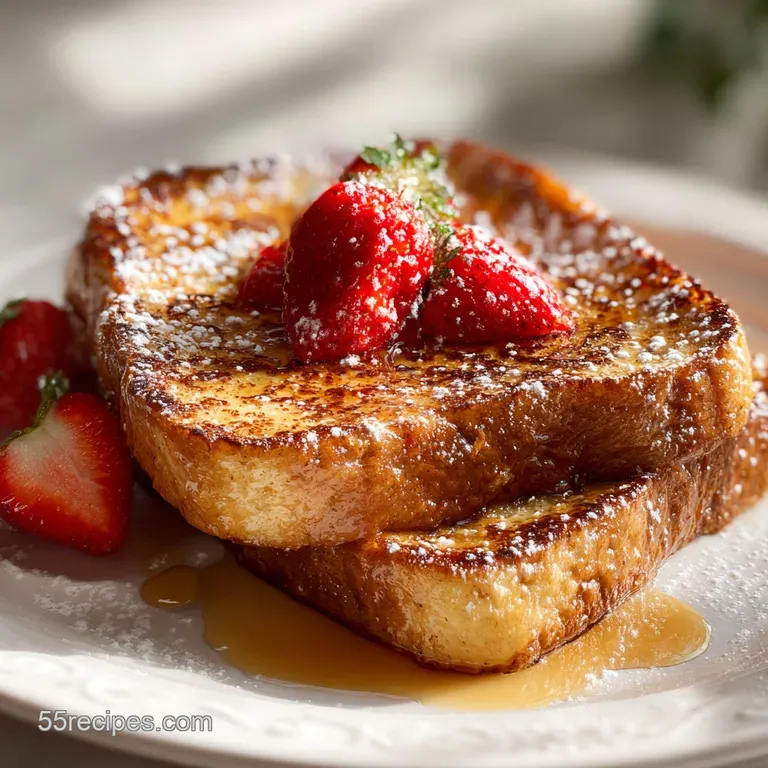
- Whisk the liquids. Combine 4 eggs, 1/2 cup creamer, 1/2 cup milk, sugar, vanilla, cinnamon, and salt in a shallow dish. Note: Whisk vigorously to ensure the cinnamon doesn't just clump on top.
- Heat the pan. Place your skillet over medium low heat and add 1 tbsp of butter and a splash of oil. Wait until the butter foam subsides.
- Perform the soak. Place a slice of brioche into the custard. Note: Hold it there for exactly 10 seconds per side.
- Drain the excess. Lift the bread and let the extra liquid drip off for 2 seconds. This prevents a "custard foot" in the pan.
- Start the sear. Lay the bread into the hot skillet. You should hear a gentle sizzle immediately.
- Cook first side. Let it sit undisturbed for 3 to 4 minutes. Wait until the edges look dry and golden.
- Flip carefully. Turn the slice over using a quick, confident motion with your spatula.
- Finish the second side. Cook for another 3 minutes until the bread feels slightly puffed and firm.
- Wipe the pan. Between batches, use a paper towel to wipe out any burnt butter bits. Note: This keeps the next batch tasting fresh and clean.
- Keep warm. Place finished slices on a wire rack in a 200°F (95°C) oven while you finish the rest.
Avoiding the Common Soggy Mess
The biggest heartbreak in breakfast cooking is cutting into a beautiful slice of toast only to find raw, liquid eggs in the middle. This usually happens because the pan was too hot, searing the outside while leaving the inside cold.
By keeping your heat at medium low, you allow the heat to travel slowly to the center, cooking the custard all the way through.
The "Soggy Center" Syndrome
If your toast is floppy, you likely over soaked the bread or used a loaf that was too fresh. Fresh bread is full of moisture and cannot hold any more liquid. If you only have fresh bread, pop the slices in a 300°F (150°C) oven for 5 minutes to dry them out before dipping.
The Burnt Spice Problem
Cinnamon is notorious for burning and turning bitter. If you see black specks that taste acrid, your pan is too hot. The neutral oil we add to the butter helps raise the smoke point, giving you a little more wiggle room, but you still need to keep a close eye on the flame.
| Problem | Root Cause | Solution |
|---|---|---|
| Custard Seeping Out | Insufficient whisking | Beat eggs until completely smooth before adding dairy. |
| Greasy Texture | Pan not hot enough | Ensure butter is bubbling before adding the bread. |
| Dark but Raw | Heat too high | Lower the flame and cook for a longer duration. |
Common Mistakes Checklist
- ✓ Using thin, pre sliced white bread (it will fall apart).
- ✓ Skipping the salt (the flavor will be flat and one dimensional).
- ✓ Overcrowding the skillet (this drops the temperature and steams the bread).
- ✓ Not wiping the pan between batches (burnt butter ruins the flavor).
- ✓ Forgetting to let the butter "quiet down" before adding bread.
Creative Custard Flavor Tweaks
Once you have the base down, you can really start playing with the profile. If you're feeling adventurous, try swapping the cinnamon for ground cardamom or even a pinch of nutmeg. These spices play beautifully with the vanilla notes in the creamer. For a more indulgent vibe, you could even serve this alongside a Cookies and Cream recipe for a truly over the-top dessert style breakfast.
The French Vanilla French Toast Bake
If you are hosting a crowd, turn this into a casserole. Grease a 9x13 inch baking dish, shingle the bread slices, and pour the custard over the top. Let it sit in the fridge overnight. In the morning, bake at 350°F (180°C) for about 35 to 40 minutes.
It is a total lifesaver for holiday mornings.
The dairy-free Swap
You can easily make this dairy-free by using a plant based vanilla creamer (like almond or oat based) and swapping the whole milk for more nut milk. Use a vegan butter substitute or coconut oil for the frying. The result is surprisingly close to the original, though the coconut oil will add a slight tropical hint.
Scaling the Batch for Crowds
Scaling this recipe is fairly simple because the ratio of egg to liquid is very forgiving. If you are doubling the batch for a large family, remember that you don't need to double the butter all at once. Add it 1 tablespoon at a time as the pan becomes dry.
- To Downsize (2 Servings): Use 2 eggs and a 1/4 cup each of creamer and milk. You can still use a full teaspoon of vanilla for that punchy flavor.
- To Upscale (8 Servings): Use 8 eggs and 1 cup each of creamer and milk. Work in batches or use two skillets simultaneously to keep everyone eating at the same time.
- Precision Checkpoint: Ensure your skillet stays around 325°F (160°C) if using an electric griddle.
| Premium Option | Budget Alternative | Flavor Impact | Savings |
|---|---|---|---|
| Brioche Loaf | Stale Texas Toast | Slightly less rich | Save $3.00 |
| Pure Vanilla Bean | Vanilla Creamer | Creamer is sweeter | Save $5.00 |
| Grass fed Butter | Store Brand Butter | Minimal difference | Save $2.00 |
Chef Tip: If you want a "shatter" crust, sprinkle a tiny bit of extra granulated sugar directly onto the wet bread just before you flip it in the pan. The sugar hits the hot butter and creates a thin, glass like caramel layer.
Truths Behind the Custard Soak
There is a common myth that you should soak the bread for several minutes to get it "fully loaded." In reality, a long soak just breaks down the gluten structure, leading to a mushy mess. A quick, 10 second dip per side is all a quality brioche needs to pull the custard into its center.
Another misconception is that you must use heavy cream for a rich result. While cream is great, the stabilizers and emulsifiers in vanilla creamer actually help the custard cling to the bread more effectively. This creates a more uniform coating that won't slide off in the pan. If you've mastered this technique, you might be ready to try a more technical French dessert like this Profiteroles Recipe.
Storage and Zero Waste Ideas
If you find yourself with leftover slices, don't toss them! French Vanilla French Toast actually freezes remarkably well. Let the slices cool completely on a wire rack so they don't get soggy from steam. Once cool, wrap them individually in plastic wrap and store them in a freezer bag for up to 2 months.
- Toaster
- The best way to regain that "shatter" crust. Just pop a frozen slice in on a medium setting.
- Oven
- 350°F (180°C) for 8 to 10 minutes until heated through.
- Microwave
- Avoid this if possible, as it makes the bread rubbery and tough.
Zero Waste Tip: If you have extra custard left over, don't pour it down the drain. You can use it to make a small bread pudding by cubing up any leftover bread scraps, soaking them in the remaining liquid, and baking them in a ramekin.
It makes a perfect "chef's snack" while you're cleaning up the kitchen.
Recipe FAQs
What is the most common mistake in making French toast?
Using bread that is too fresh or soaking it too long. Fresh bread is too soft and will disintegrate when dipped, leading to a soggy center that won't cook properly.
What is the secret to fluffy French toast?
Use a high fat, sturdy bread like brioche or challah. The fat content provides structure, allowing the custard to cook into a solid interior rather than turning to mush; for a technique deep dive, see our How to Make recipe for related fluffiness principles.
Should I add vanilla to French toast?
Yes, vanilla is highly recommended for this style. Since this recipe uses French Vanilla creamer, you are already getting a base flavor, but adding an extra teaspoon of extract ensures that complex vanilla aroma survives the frying process.
Can I use French vanilla creamer for French toast?
Yes, using French vanilla creamer is encouraged for this recipe. The creamer adds necessary fat and pre-sweetened flavor, creating a much richer, custard like center than using standard milk alone.
How long should I soak brioche bread for French toast?
Soak for exactly 10 seconds per side, then drain briefly. Brioche is very absorbent; soaking longer than this causes the structure to break down, resulting in a wet interior rather than a cooked custard.
Is it true I must use heavy cream for a rich texture?
No, this is a common misconception when using flavored creamers. The stabilizers and higher fat content in commercial vanilla creamers already mimic the richness of heavy cream, making it an efficient shortcut for texture.
How to achieve a deep golden brown crust on the toast?
Heat your skillet to medium low and use a mix of butter and a neutral oil. The oil raises the smoke point of the butter, allowing it to brown without burning before the custard center sets; if you enjoy learning these temperature controls, you’ll appreciate the precision required in our Silky Smooth Classic recipe.
French Vanilla French Toast
Ingredients:
Instructions:
Nutrition Facts:
| Calories | 578 kcal |
|---|---|
| Protein | 17.2 g |
| Fat | 30.4 g |
| Carbs | 57.1 g |
| Fiber | 1.8 g |
| Sugar | 23.4 g |
| Sodium | 585 mg |
