Spicy Peanut Noodles: Velvety & Zingy
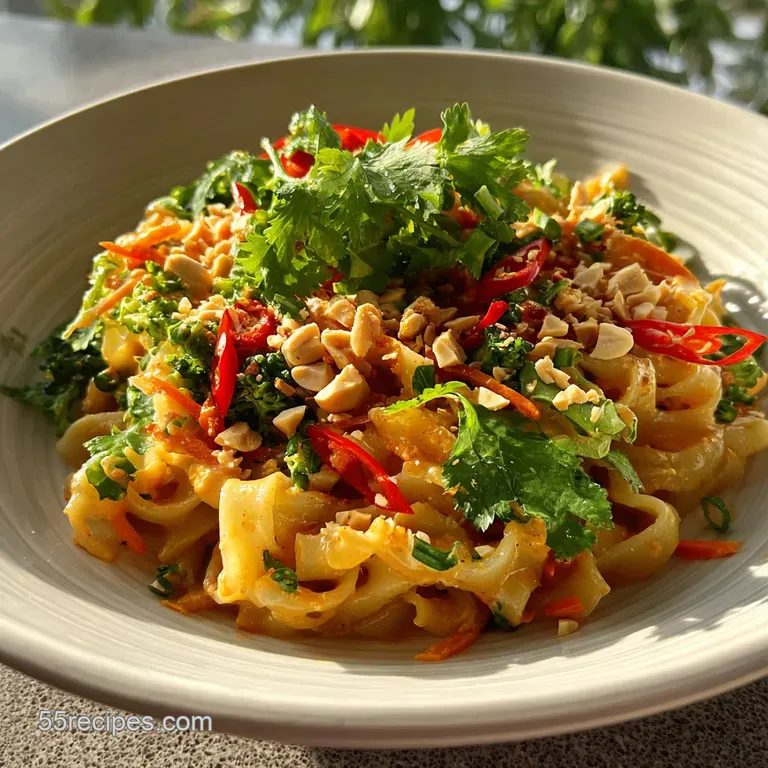
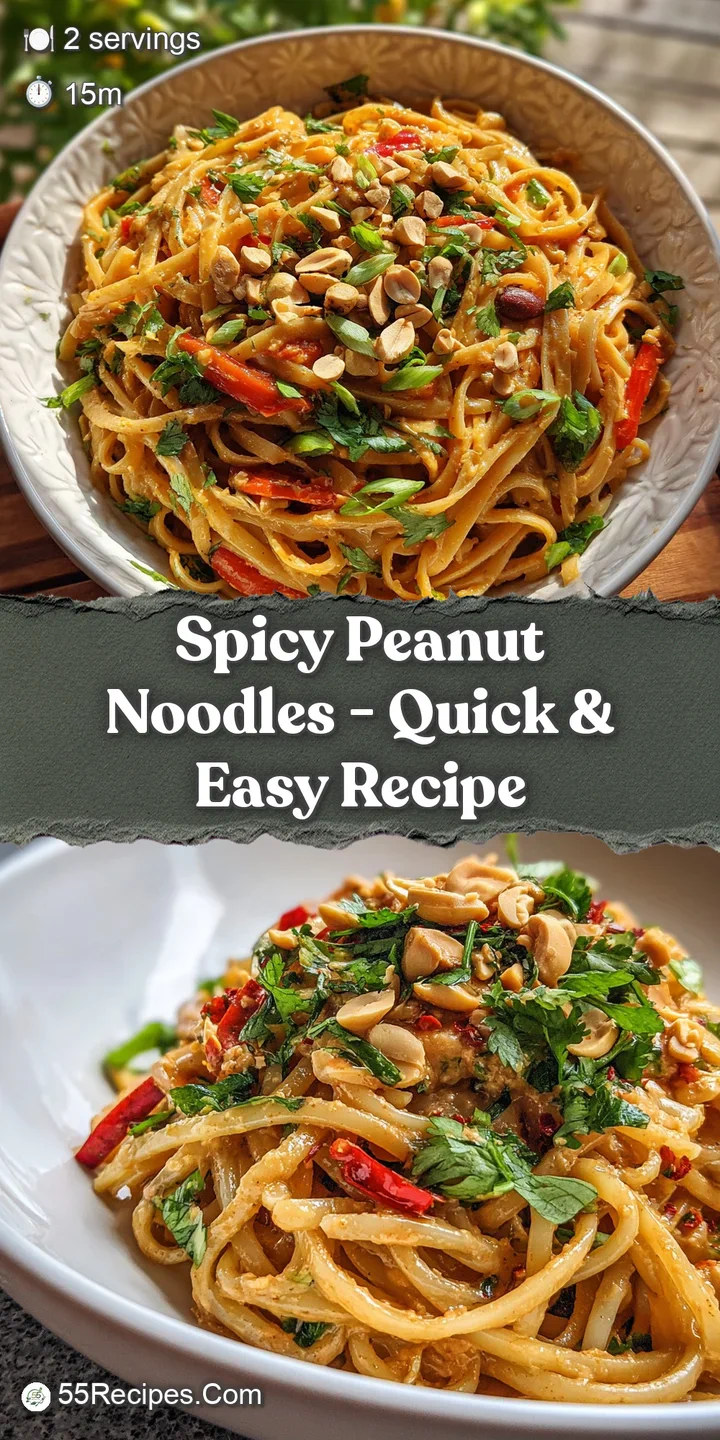
- Time: Active 5 minutes, Passive 10 minutes, Total 15 minutes
- Flavor/Texture Hook: Velvety peanut coating with a sharp citrus zing and crunchy peanut shatter.
- Perfect for: Stress free weeknight dinners or meal prepping for a busy office week.
- The Science of Why it Works
- Essential Specs for the Perfect Noodle Texture
- Component Analysis of the Signature Sauce
- The Alchemy of Selecting Your Elements
- Essential Gear for the Most Satisfying Noodle Pull
- Step by Step Guide to Quick Spicy Peanut Noodles
- Troubleshooting the Perfect Noodle Texture
- Adapting the Recipe for Different Diets
- Guidelines for Scaling and Adjustments
- Truths About Peanut Sauce Preparation
- Proper Storage Guidelines and Zero Waste Tips
- How to Serve and Enjoy These Noodles
- Spicy Peanut Noodles FAQs
- 📝 Recipe Card
You know that feeling when it is late, the fridge is looking a bit sparse, and you are seconds away from spending $30 on a delivery app? I have been there more times than I care to admit.
But then I remembered the jar of peanut butter sitting in the back of my cabinet and realized I could make something far better than takeout in less time than it takes a driver to find my house.
This specific recipe is my go to because it hits every single sensory note: the warmth of ginger, the sharp bite of garlic, and that creamy, coating sensation that only a well emulsified sauce can provide.
We aren't just tossing noodles in peanut butter; we are building a structural sauce that clings to every strand without becoming a clumpy mess.
Trust me, once you see how easy it is to balance the heat of sriracha with the richness of toasted sesame oil, you will never look at a plain bowl of pasta the same way again. It’s about working smarter with what you already have in the pantry to create a meal that feels intentional and indulgent.
The Science of Why it Works
Emulsification: The starch in the reserved noodle water acts as a bridge between the fats in the peanut butter and the water based soy sauce, creating a stable, silky sauce.
Maillard Reaction: Using toasted sesame oil provides deep, nutty notes that mimic the complex flavors usually achieved through long simmering times.
Chef's Tip: Freeze your fresh ginger for 10 minutes before grating. It makes the fibers stiffen up so the grater glides through rather than turning the ginger into a mushy stringy mess.
| Method | Time | Texture | Best For |
|---|---|---|---|
| Stovetop | 15 minutes | Silky and cohesive | Maximum flavor integration and hot service |
| Cold Prep | 10 minutes | Thick and hearty | Refreshing summer lunches or noodle salads |
| Microwave | 8 minutes | Soft and quick | Emergency office lunches with minimal gear |
While most people just dump the sauce over the noodles, the real magic happens when you toss them in a warm pan. The heat allows the sugars in the honey and the proteins in the peanut butter to slightly tighten, which is why the sauce goes from "liquidy" to "velvety" in just about sixty seconds of tossing.
Essential Specs for the Perfect Noodle Texture
When we talk about the best spicy peanut noodles, we are looking for a specific bounce. The noodles should have enough structural integrity to hold up against a heavy sauce without snapping or turning into a gummy pile. This is why I always lean toward lo mein or even a thick spaghetti if I'm in a pinch.
| Servings | Lo Mein Noodles | Peanut Butter | Cook Time |
|---|---|---|---|
| 2 People | 5 oz | 0.25 cup | 12 minutes |
| 4 People | 10 oz | 0.5 cup | 15 minutes |
| 8 People | 20 oz | 1 cup | 22 minutes |
If you decide to double this for a crowd, keep an eye on your sauce to noodle ratio. It is easy for a large batch to dry out, so keep extra starchy water on standby. For those who love a bit of extra punch, you might find that my General Tso Sauce recipe offers some great inspiration for balancing that sweet and sour profile if you ever want to pivot the flavor profile of this dish.
Component Analysis of the Signature Sauce
| Ingredient | Science Role | Pro Secret |
|---|---|---|
| Creamy Peanut Butter | Primary Fat & Emulsifier | Use a brand that requires stirring for a more intense, roasted nut flavor profile. |
| Starchy Noodle Water | Binding Agent | Never skip this; the starch prevents the fat from separating and creates a "glaze" effect. |
| Lime Juice | Acidic Brightener | The citric acid cuts through the heavy lipids, preventing the dish from feeling "cloying." |
The Alchemy of Selecting Your Elements
Selecting your ingredients is the most important part of this 15 minute process. Since there are so few components, each one needs to pull its weight. I’ve made the mistake of using old ginger before, and let me tell you, that woody texture is not what you want in a velvety sauce.
- 10 oz dried lo mein noodles: These provide the perfect surface area for the sauce.
- Substitute: Thick spaghetti or linguine. Why this? They have the same wheat base and similar "chew" to traditional egg noodles.
- 0.5 cup creamy peanut butter: Provides the base body of the sauce.
- Substitute: Almond butter or sunflower seed butter. Why this? High fat content ensures the same emulsification properties.
- 3 tbsp low sodium soy sauce: Adds the essential umami saltiness.
- Substitute: Tamari or liquid aminos. Why this? Keeps it gluten-free without losing the savory depth.
- 1.5 tbsp sriracha: The primary heat source.
- Substitute: Sambal Oelek or chili crisp. Why this? Provides a similar vinegary heat profile.
- 1 tbsp fresh ginger, finely grated: Adds a sharp, warming aromatic layer.
- Substitute: 0.5 tsp ground ginger. Why this? While less vibrant, it provides the necessary spice in a pinch.
- 1 tbsp fresh lime juice: Essential for cutting the richness.
- Substitute: Rice vinegar. Why this? Offers a sharp acidity that mimics the citrus profile.
- 1 tbsp honey: Balances the salt and spice.
- Substitute: Brown sugar or maple syrup. Why this? Adds a molasses like depth that rounds out the soy sauce.
Chef's Tip: If you want a deeper crunch, I highly recommend using the technique from my Honey Roasted Peanuts recipe for the topping. The sugar coated crunch against the spicy noodles is a total level up.
Essential Gear for the Most Satisfying Noodle Pull
You don't need a professional kitchen for this, but a few specific tools make the process much smoother. I personally love using a large stainless steel whisk for the sauce it’s the only way to get the peanut butter to fully surrender into the liquid.
- Large Pot: For boiling the noodles. You want plenty of room so they don't stick together.
- Mixing Bowl: A medium sized glass or ceramic bowl is best for whisking the sauce before it meets the heat.
- Microplane Grater: This is non negotiable for the ginger and garlic. You want them to be a paste, not chunks.
- Tongs: Essential for the "toss." You need to lift and rotate the noodles to get that even coating.
- Liquid Measuring Cup: Don't eyeball the noodle water; precision here prevents a soupy mess.
step-by-step Guide to Quick Spicy Peanut Noodles
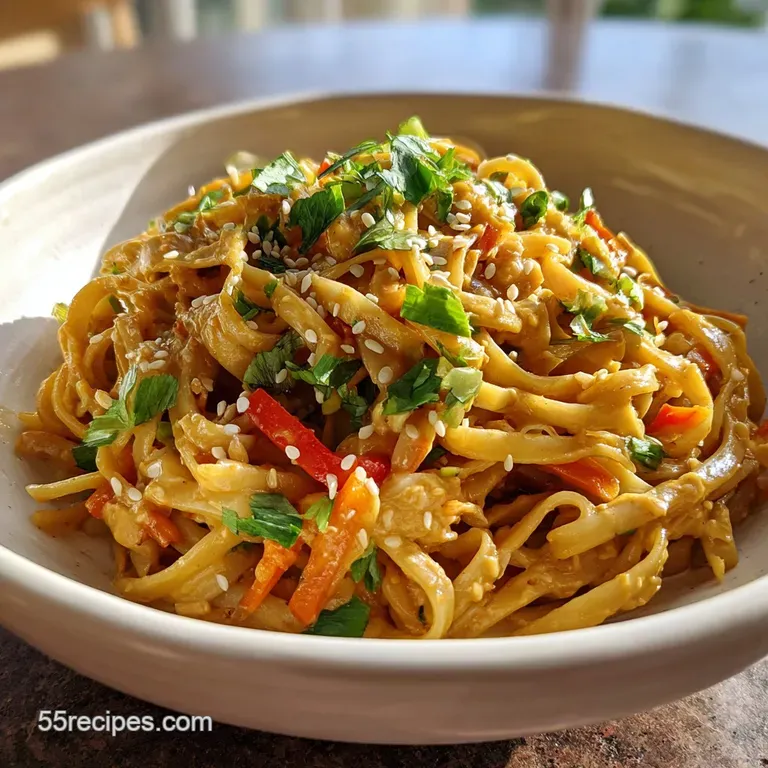
- Boil water. Fill a large pot with salted water and bring to a rolling boil.
- Cook noodles. Add the 10 oz lo mein noodles and cook according to package directions until al dente. Note: They will cook slightly more in the sauce, so don't let them get mushy.
- Save the liquid. Before draining, carefully dip a measuring cup into the pot and reserve 1 cup starchy noodle water.
- Prepare aromatics. While noodles boil, finely grate the 1 tbsp fresh ginger and mince the 2 cloves of garlic.
- Whisk sauce base. In your mixing bowl, combine 0.5 cup peanut butter, 3 tbsp soy sauce, 1 tbsp toasted sesame oil, 1.5 tbsp sriracha, 1 tbsp honey, and 1 tbsp lime juice.
- Emulsify the sauce. Slowly whisk in 0.5 cup of the reserved hot noodle water into the peanut mixture until it is velvety and smooth.
- Combine. Return the drained noodles to the warm pot (off the heat) and pour the peanut sauce over them.
- Toss vigorously. Use tongs to coat the noodles, adding more noodle water 1 tablespoon at a time until the sauce reaches a glossy, clingy consistency.
- Garnish and serve. Top with 2 sliced green onions, 0.25 cup crushed peanuts, and 1 tsp toasted sesame seeds until the surface is covered in texture.
Troubleshooting the Perfect Noodle Texture
If your sauce looks a bit "broken" or oily, don't panic. This usually happens if the peanut butter was too cold or the water wasn't hot enough. It’s a common hurdle, but it’s easily fixed with a bit of vigorous whisking and a splash more of that hot starch water.
Why Your Peanut Sauce Is Grainy
Sometimes natural peanut butter can have a gritty texture. This is often because the solids haven't been fully hydrated by the liquid components.
| Problem | Root Cause | Solution |
|---|---|---|
| Clumping Sauce | Added noodles when too dry | Add 2 tbsp of hot noodle water and toss over low heat. |
| Muted Flavor | Not enough acid | Squeeze an extra wedge of lime; acidity wakes up the fats. |
| Greasy Finish | Sauce separated | Whisk in 1 tsp of warm water separately, then re incorporate. |
Common Mistakes Checklist:
- ✓ Never discard all the pasta water before the sauce is finished.
- ✓ Don't use "Natural" peanut butter that is just peanuts and salt if you want a super smooth finish; commercial creamy brands (like Jif) work best for emulsification.
- ✓ Avoid overcooking the noodles; they should have a firm bite when you drain them.
- ✓ Squeeze the lime juice fresh; bottled juice often lacks the essential oils that brighten the peanut flavor.
- ✓ Grate the ginger finely; biting into a large chunk of raw ginger ruins the velvety experience.
Adapting the Recipe for Different Diets
One of the reasons I make this recipe so often is how easily it adapts to who is at the table. Whether you need more protein or a gluten-free option, the base logic remains the same.
Adding Lean Protein (Spicy Peanut Noodles with Chicken)
To make this a full meal, I like to sear thin strips of chicken breast in a skillet with a little bit of salt and pepper. Toss the cooked chicken in at the very end when you are mixing the noodles with the sauce. The chicken acts like a sponge for that spicy peanut sauce, making every bite incredibly satisfying.
Making it Plant Based (Spicy Peanut Noodles with Tofu)
If you prefer tofu, go for the extra firm variety. Press it for 20 minutes to remove excess moisture, then pan fry it in a little sesame oil until the edges are crispy and golden.
The contrast between the crunchy tofu exterior and the soft, velvety noodles is something I actually prefer over the chicken version some days.
Going gluten-free
Switch the lo mein for a wide rice noodle or even a gluten-free spaghetti. Replace the soy sauce with Tamari. Just be careful with rice noodles they are much more delicate and can turn to mush if you toss them too aggressively in the pan.
Guidelines for Scaling and Adjustments
When you are cooking for one or cooking for a dinner party of ten, the math changes slightly. You can't just double everything and expect it to behave the same way in the pot.
- Scaling Down (1-2 servings): Reduce the noodles to 5 oz. You can still use a whole tablespoon of lime and ginger because those bright notes won't overwhelm the smaller batch. Reduce the noodle water to 0.25 cup for the initial whisk.
- Scaling Up (8+ servings): Work in batches if your pot isn't massive. When doubling, only increase the sriracha by 1.5x at first, then taste. Heat builds exponentially, and you don't want to accidentally set your guests' mouths on fire.
- The 1.5x Rule for Spices: For aromatics like garlic and ginger, you usually only need 1.5 times the amount when doubling the noodles. This prevents the dish from becoming overly pungent.
| Original Ingredient | Substitute | Why It Works |
|---|---|---|
| Honey (1 tbsp) | Agave Nectar (1 tbsp) | Similar viscosity. Note: Agave is slightly sweeter, so start with a little less. |
| Sriracha (1.5 tbsp) | Chili Crisp (1.5 tbsp) | Adds more oil and texture. Note: Will result in a much heartier, oilier sauce. |
| Lo Mein (10 oz) | Rice Noodles (10 oz) | Excellent chew. Note: Requires soaking rather than boiling; very fragile. |
Truths About Peanut Sauce Preparation
There is a common misconception that you need to cook the peanut sauce on the stove for a long time to "develop" the flavor. In reality, peanut butter is already a highly processed, roasted product. Long cook times actually cause the oils to separate and can make the sauce taste bitter.
The heat from the noodles and the reserved water is all you need.
Another myth is that "low-fat" peanut butter is a healthy swap here. Please, don't do it. The fat is what allows the sauce to emulsify. Without it, you end up with a sticky, gummy paste that sticks to the roof of your mouth rather than a velvety glaze that coats the noodles.
Proper Storage Guidelines and Zero Waste Tips
Storage: These noodles keep beautifully in the fridge for up to 4 days. In fact, some people argue they taste better the next day because the ginger and garlic have had more time to mingle. If the sauce tightens up too much in the fridge, simply add a teaspoon of warm water before reheating.
Freezing: I don't recommend freezing these noodles. The texture of the pasta changes significantly when frozen and thawed, often becoming grainy or mushy. If you must, freeze the sauce separately in an ice cube tray, then toss with fresh noodles when you're ready to eat.
Zero Waste Tip: Don't throw away those green onion roots! You can place them in a small glass of water on your windowsill, and they will regrow in about a week. Also, if you have leftover crushed peanuts, they are a fantastic addition to a morning yogurt bowl or even on top of a simple salad for some added protein and crunch.
How to Serve and Enjoy These Noodles
To get the full experience, I always serve these in deep bowls. The depth helps trap the steam, which keeps the sauce at that perfect, silky consistency while you eat. I like to finish with a massive squeeze of fresh lime right at the table that hit of cold citrus against the warm, spicy noodles is the ultimate "chef's kiss" moment.
If you are feeling fancy, pair these with a crisp cucumber salad or some quick pickled radishes. The cold, watery crunch of the vegetables provides a necessary break from the rich, savory peanut butter.
It is all about balance, and once you master this 15 minute ritual, you'll find yourself reaching for the peanut butter jar every time the "what's for dinner?" panic starts to set in.
Spicy Peanut Noodles FAQs
What are the essential noodles for spicy peanut noodles?
Lo mein or thick spaghetti are best. These noodles have enough structure to hold up to the rich sauce without becoming gummy.
Can I use peanut butter alternatives?
Yes, almond or sunflower seed butter work. Their high fat content ensures similar emulsification properties as peanut butter.
Why is starchy noodle water crucial for the sauce?
It acts as a binding agent for emulsification. The starch in the water bridges the gap between the fats in peanut butter and the liquids, creating a silky, cohesive sauce.
How do I prevent my peanut sauce from clumping?
Whisk in the hot noodle water slowly. Start with about half a cup and gradually add more, whisking continuously, until the sauce is velvety and smooth.
Can I add protein to my spicy peanut noodles?
Absolutely, chicken or tofu are great additions. Sear thin strips of chicken or pan-fry pressed extra firm tofu until golden and toss them in with the noodles and sauce.
Is it true that low-fat peanut butter is a healthy substitute?
No, this is a common misconception. The fat in traditional peanut butter is essential for creating a stable, emulsified sauce; low-fat versions often result in a gummy paste.
How long can I store leftover spicy peanut noodles?
They keep well in the refrigerator for up to 4 days. The flavors meld nicely overnight, but add a teaspoon of warm water if the sauce tightens upon reheating.
Spicy Peanut Noodles
Ingredients:
Instructions:
Nutrition Facts:
| Calories | 556 kcal |
|---|---|
| Protein | 18.6 g |
| Fat | 23.4 g |
| Carbs | 60.4 g |
| Fiber | 4.3 g |
| Sugar | 12.1 g |
| Sodium | 712 mg |
