Traditional German Honey Cookies in 25 Minutes
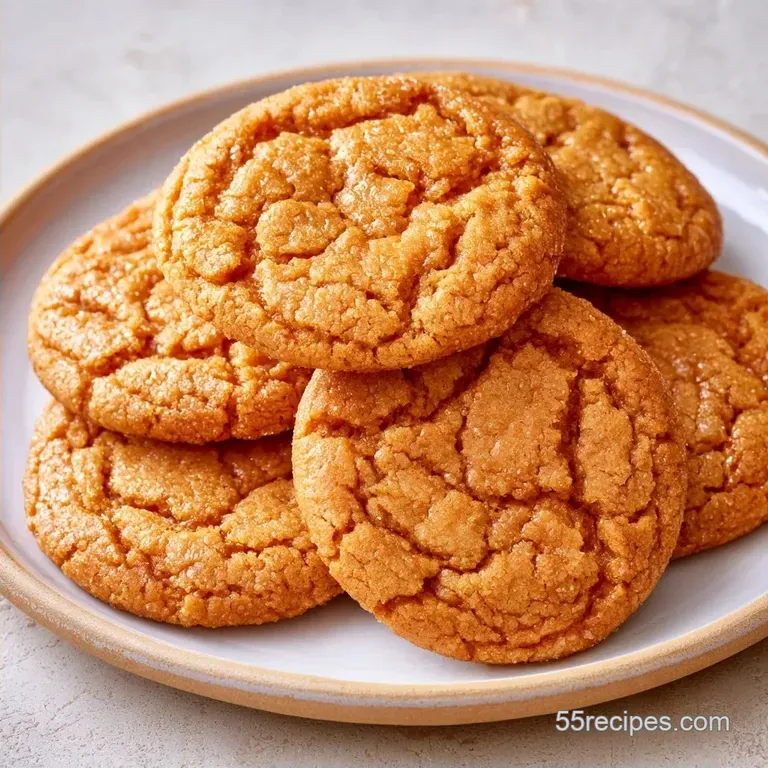
- Time: 10 min active + 45 min baking/cooling
- Flavor/Texture Hook: Spiced mahogany finish with a tacky, chewy center
- Perfect for: Holiday platters or a cozy afternoon snack
German Honey Cookies
The aroma of cinnamon and ground cloves filling the kitchen always evokes memories of my grandmother's home. My first attempt at baking these was a disaster; I pulled a tray of flat, greasy, overly sweet discs from the oven that looked more like sad pancakes than cookies.
It is disheartening when the spices are spot-on but the structure fails.
Most bakers struggle with the spread. If the honey is too thin or the butter too warm, the cookies simply puddle. I spent several winters perfecting the balance of brown sugar and honey to keep the texture thick.
These German Honey Cookies are the perfect solution. They offer a deep, dark color and stay soft for days, all without requiring hours of kneading.
Texture and Flavor Tips
Honey's Moisture: Honey is hygroscopic, which means it grabs water from the air. This keeps the center of the cookies tacky and soft.
Fat Based Spices: Stirring spices into the butter and honey first lets the fats carry the flavors. This makes the cinnamon and ginger taste more vivid.
The Right Ingredients
For these German Honey Cookies, the honey is the star. I prefer a wildflower or clover honey for a cleaner taste. If you use a very strong, dark honey, it might overpower the ginger.
The brown sugar provides the molasses notes and helps with the chew. Using all purpose flour keeps the structure reliable, though the dough feels a bit stickier than a standard chocolate chip cookie.
Ingredients List
- 1/2 cup (115g) unsalted butter, softenedWhy this? Provides the richness and structure
- 1/2 cup (100g) honeyWhy this? Creates the signature chew and floral sweetness
- 1/4 cup (50g) brown sugar, packedWhy this? Adds molasses depth and moisture
- 1 large egg, room temperatureWhy this? Binds the dough together
- 2 1/4 cups (280g) all purpose flourWhy this? Gives the cookie its shape
- 1 tsp (5g) baking sodaWhy this? Helps the cookies rise and brown
- 1/2 tsp (3g) saltWhy this? Balances the sweetness
- 1 tsp (2g) ground cinnamonWhy this? Core warmth
- 1/2 tsp (1g) ground gingerWhy this? Adds a slight zing
- 1/4 tsp (0.5g) ground clovesWhy this? Deep, aromatic punch
- 1/4 tsp (0.5g) ground nutmegWhy this? Earthy undertone
- 1 tbsp (15ml) melted butterWhy this? For brushing the tops
- 1 tbsp (8g) coarse sanding sugarWhy this? Adds a crunchy exterior contrast
Substitutions
| Original Ingredient | Substitute | Why It Works |
|---|---|---|
| Honey (1/2 cup) | Maple Syrup (1/2 cup) | Similar sweetness. Note: Thinner consistency, cookies may spread more |
| Brown Sugar (1/4 cup) | White Sugar (1/4 cup) | Sweetness is there. Note: Less chew and a lighter color |
| All Purpose Flour | Almond Flour (1:1) | Grain free. Note: Much softer, fragile structure |
Essential Kitchen Tools
Preparing German Honey Cookies doesn't require high end gear. A basic hand mixer, or just a bowl and a strong whisk, is plenty.
I highly recommend using a cookie scoop. The dough is quite tacky, making it messy to shape by hand. A scoop guarantees consistent sizing, which means every cookie bakes evenly.
Don't skip the parchment paper. Since honey based doughs tend to cling to metal, parchment ensures you can easily slide the cookies off the pan after they cool.
The Cooking Process
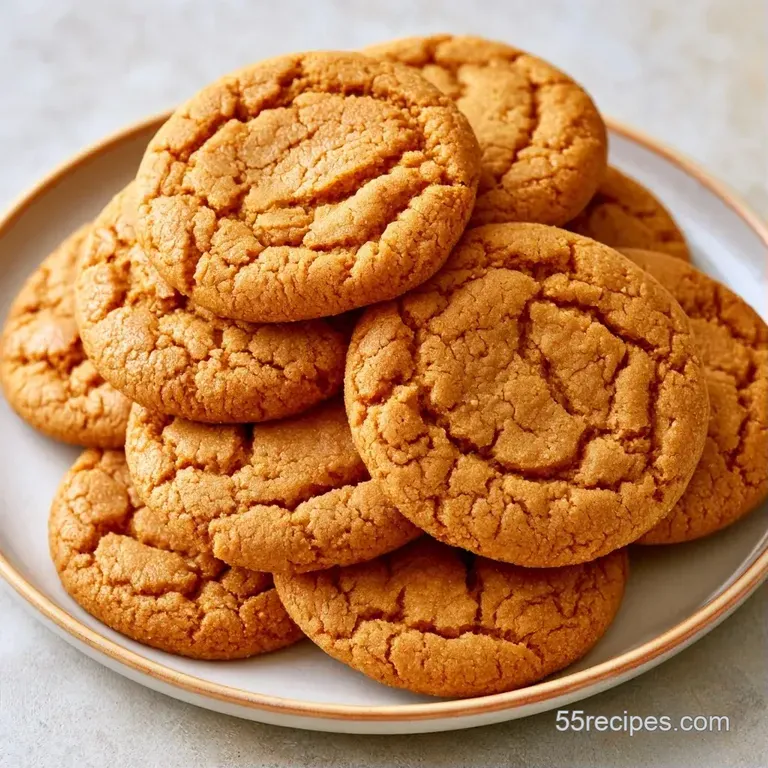
Phase 1: Creaming and Aromatics
Bring your oven to 350°F (175°C). In a large mixing bowl, cream together the softened butter, brown sugar, and honey until the mixture is pale and smooth. Mix in the egg until fully combined. Stir in the nutmeg, cloves, ginger, and cinnamon, ensuring the spices are distributed evenly throughout the wet base.
Phase 2: Integrating the Dry Ingredients
Whisk the all purpose flour, salt, and baking soda together in a separate bowl. Gradually fold this flour mixture into the honey base with a spatula, stirring gently until a soft, tacky dough forms. Note: stop stirring as soon as the flour is incorporated to prevent the cookies from becoming tough.
Phase 3: Shaping and Baking
Line a tray with parchment paper. Using a cookie scoop, place rounded tablespoons of German Honey Cookies dough on the sheet, keeping them 2 inches apart.
Bake for 12–15 minutes until the edges are slightly golden but the centers still look soft. If you wait for the middle to seem firm, they will be hard as rocks after cooling.
Phase 4: The Cooling Set
Take them out of the oven. While still hot, brush the tops with melted butter and apply a sprinkle of sanding sugar. Let them sit on the pan for 5 minutes so the centers can set, then move them to a wire rack.
Chef Note: If you're short on time, you can skip the sanding sugar, but the contrast of that crunch against the velvety interior is what gives these a professional finish.
Fixing Common Issues
If your cookies aren't coming out right, it usually comes down to temperature. Honey reacts strongly to heat, and if your butter was too soft (almost melted), the cookies will lose their height.
When the dough feels too sticky, resist the urge to add more flour. Too much flour makes the German Honey Cookies cakey instead of chewy. Instead, pop the bowl in the fridge for 15 minutes.
For those whose bottoms brown too quickly, check your pan color. Dark metal pans absorb more heat, which can scorch the bottom of a honey rich dough before the top is done.
| Problem | Root Cause | Solution |
|---|---|---|
| Cookies spread too thin | Butter too warm or over creamed | Chill scooped dough for 30 mins before baking |
| Tough, bread like texture | Overmixing the flour | Stir gently with a spatula until just combined |
| Bottoms are burnt | Pan is too dark or oven too hot | Use parchment paper or move rack up one level |
Dietary Adaptations
To add a zesty note, fold in 1 teaspoon of fresh lemon zest during the creaming step; this helps balance the honey's intense sweetness. For added complexity, a pinch of ground cardamom is a wonderful addition.
To make these gluten-free, substitute the flour with a high-quality 1:1 gluten-free blend that contains xanthan gum. While the texture will be slightly more crumbly, the taste remains the same.
Pair these cookies with a scoop of honey ice cream for another sweet treat. If you prefer a salty contrast to accompany your coffee, honey roasted peanuts are a perfect match.
Quick Customizations
- Extra spice? → fold in 1/2 tsp extra cinnamon.
- More chew? → use dark brown sugar.
- Brighter taste? → add pinch of lemon zest.
Keeping It Fresh
Keep your German Honey Cookies in a glass jar or an airtight plastic container. They will stay soft at room temperature for around 5 days.
Freezing is a great option for extended storage. To prevent them from sticking, flash freeze the cookies on a tray for one hour before transferring them to a freezer bag.
To minimize waste, pour the melted butter for the topping right into the honey jar and shake it well. This helps you capture every last bit of honey.
Fresh vs Shortcut Honey
| Honey Type | Flavor Profile | Result in Cookie |
|---|---|---|
| Raw Local Honey | Strong, floral, distinct | Complex taste, denser crumb |
| Commercial Honey | Mild, uniform sweetness | Consistent flavor, lighter crumb |
Perfect Complements
These German Honey Cookies are heavy on warmth, so they pair best with something acidic or bitter. A strong black coffee or a sharp Earl Grey tea balances the honey perfectly.
If you're putting together a festive platter, add some sliced apples or a wedge of sharp cheddar cheese. The saltiness of the cheese brings out the cloves and nutmeg in the cookies.
Because they have a tacky texture, they are great for dipping into a glass of cold milk. Just be careful not to over soak them, or you'll lose that mahogany crust.
My Cookie Myths
Some people claim you must roll the dough in flour to stop it from sticking. This is not true. Using a cookie scoop and parchment paper handles the sticking problem without adding extra flour that ruins the taste.
Another myth is that you need a stand mixer to get the right aeration. While a KitchenAid is handy, a hand mixer or even a whisk and some elbow grease works just as well for this specific dough.
To wrap things up, these German Honey Cookies are all about patience with the temperature. Keep your butter softened but cool, don't overmix your flour, and pull them out of the oven while they still look a bit underdone. That's how you get that classic, chewy bakery finish at home.
Recipe FAQs
How can I keep these cookies soft for longer?
Store them in a sealed container with parchment paper between layers. The honey naturally attracts moisture from the air to maintain a chewy texture.
Which beverage complements the warm spices?
Serve these with a hot cup of tea or a cold glass of milk. For a treat, try pairing them with a creamy cookies and cream milkshake to balance the ginger and cloves.
Is it true that the cookies must be baked until the centers are firm?
No, this is a common misconception. Bake them until the edges are golden but the centers still look soft to ensure they stay chewy.
Should I believe that this dough requires chilling before baking?
False. This particular dough can be scooped and baked immediately after mixing.
Why did my cookies spread too much on the pan?
The butter was likely too warm when you started mixing. Ensure your butter is softened but still cool to the touch for the best structure.
Can I use a different honey for this recipe?
Use wildflower or clover honey for a clean, floral taste. Darker honeys work well too, though they may overpower the notes of ginger and cinnamon.
What makes these cookies have a tacky center?
Honey is hygroscopic, meaning it pulls moisture from the air. This keeps the interior soft and slightly sticky even after cooling.
How to ensure the spices are evenly distributed?
Stir the cinnamon, ginger, cloves, and nutmeg into the butter and honey base before adding the flour. This allows the fats to carry the flavors throughout the entire batch.
Traditional German Honey Cookies