Apple and Jelly
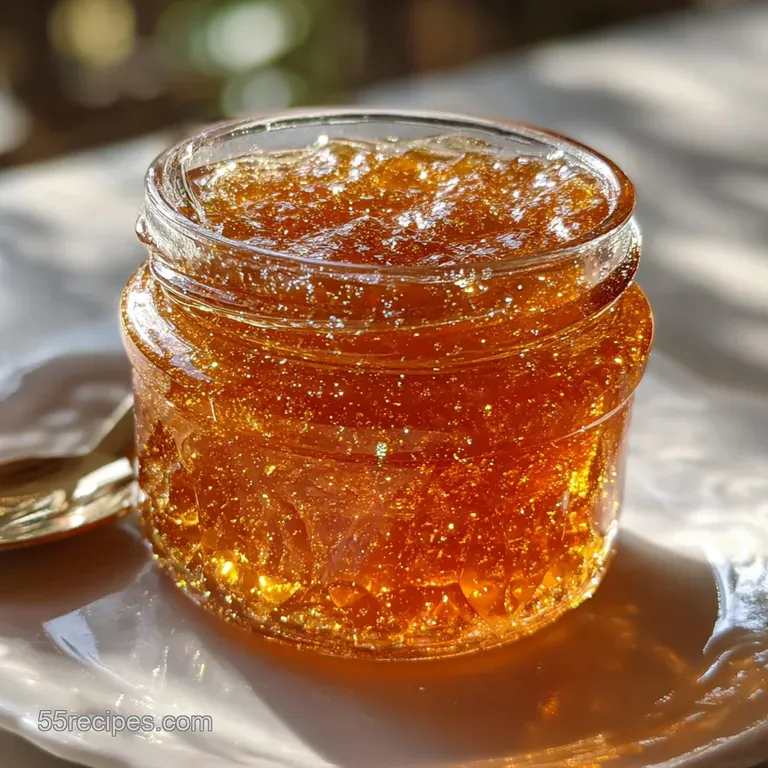
- Time: Active 20 minutes, Passive 1 hour 30 mins, Total 1 hour 50 mins
- Flavor/Texture Hook: Shimmering gold color with a clean, snappy finish
- Perfect for: Budget-friendly gifting or family breakfast spreads
- Creating the Perfect Batch of Homemade Apple and Jelly
- Scientific Secrets to a Firm Set
- Affordable Ingredients and Smart Substitutes
- Essential Tools for Clear Results
- Step by Step to Shimmering Jelly
- Expert Tips for Flawless Jams
- Creative Flavor Variations and Swaps
- Storage and Sustainable Kitchen Tips
- Serving Ideas for Every Meal
- Fixing Cloudy or Runny Jelly
- Scaling for Large Harvests
- Recipe FAQs
- 📝 Recipe Card
Imagine the smell of tart apples simmering on your stove on a rainy Tuesday. It's that warm, nostalgic aroma that fills every corner of the house and makes you feel like you've actually got your life together.
I used to think making jelly was some sort of dark art involving specialized chemistry and expensive equipment, but honestly, it’s one of the most forgiving things you can cook.
If you’ve ever ended up with a jar of "apple syrup" because it wouldn't set, or a cloudy mess that looked more like murky pond water, don't worry. I’ve made those mistakes so you don't have to. We’re going to turn 4 lbs of humble tart apples into something that glows when the light hits it.
The best part about this apple and jelly adventure is that we are using the "trash" the skins and cores to do all the heavy lifting. It’s cheap, it’s incredibly satisfying to hear those jars "pop" as they seal, and the flavor is concentrated sunshine.
Let’s get into how we make this work every single time.
Creating the Perfect Batch of Homemade Apple and Jelly
To get that classic shimmer, we need to understand the relationship between fruit and heat. We aren't just boiling fruit; we are extracting a specific structural protein that gives the jelly its bounce.
The Science of Why it Works
Pectin Extraction: High heat breaks down the cellular structure of the apple skins and cores, releasing long chain pectin molecules into the water. Acid Catalysis: Adding lemon juice lowers the pH, which neutralizes the negative charges on pectin chains, allowing them to bond into a mesh that traps liquid.
The Golden Ratio of Sugar Sugar isn't just for sweetness here; it’s a functional preservative and structural agent. It acts as a humectant, pulling water away from the pectin molecules so they can finally find each other and "hook up" to form that jelly structure.
Without enough sugar, the pectin stays dissolved and your jelly stays runny.
Precision Checkpoints
- Extraction Weight: You should end up with roughly 1 liter of strained juice from the initial 4 lbs of apples.
- The Temperature: The jelly reaches its "set point" at exactly 104°C (220°F) at sea level.
- The Drip Test: When the liquid "sheets" off a cold metal spoon in two heavy drops that merge into one, it's done.
Scientific Secrets to a Firm Set
| Component | Science Role | Pro Secret |
|---|---|---|
| Tart Apple Skins | Natural Pectin Source | Never peel the apples; the skin holds 80% of the setting power. |
| Lemon Juice | pH Regulator | Use fresh juice to ensure the acidity is high enough to bond the pectin. |
| Granulated Sugar | Water Binder | Use white sugar for the clearest, most jewel like transparency. |
| Butter (Small amount) | Surface Tension Reducer | A tiny dab prevents the foam from boiling over the pot. |
Getting the clarity right is the biggest hurdle for most home cooks. If you stir the fruit while it's straining, you'll push pulp through the cloth and end up with cloudy jelly. It’s hard to just sit there and watch it drip, but patience is the only way to get that stained glass look.
If you're looking for more ways to use up an orchard's worth of fruit, you might also love my Grandma's Homemade Applesauce Recipe which uses a similar "no waste" approach to apple prep.
Affordable Ingredients and Smart Substitutes
For this recipe, we are using 4 lbs tart apples (like Granny Smith), 4 cups water, 2 tbsp fresh lemon juice, 3.5 cups granulated white sugar, and 0.5 tsp unsalted butter.
| Original Ingredient | Substitute | Why It Works |
|---|---|---|
| Tart Apples | Crabapples | Extremely high pectin content; results in a tarter, pinker jelly. |
| White Sugar | Honey (75% amount) | Adds floral notes but makes the jelly much softer and darker. |
| Lemon Juice | Citric Acid (1/4 tsp) | Provides the necessary acidity without the citrus flavor profile. |
Why this? Tart apples are essential because they contain more natural pectin and acid than sweet varieties like Fuji or Gala.
I once tried making this with overripe Red Delicious apples I found on sale. Total disaster. They didn't have enough acid or pectin left in them, and I ended up with a very sweet, very beige sauce. Stick to the tart ones; your jars will thank you.
Essential Tools for Clear Results
You don't need a professional kitchen, but a few specific items make this much easier. A heavy bottomed pot (like a Dutch oven) is non negotiable because it distributes heat evenly and prevents the sugar from scorching at the bottom.
2 Essential Tools
- Jelly Bag or Cheesecloth: This is for the straining phase. If you use cheesecloth, fold it into at least four layers to catch the fine sediment.
- Candy Thermometer: While the "spoon test" works, a digital thermometer removes all the guesswork.
Canning Gear
If you plan on keeping these in the pantry for months, you’ll need sterilized glass jars and lids. A wide mouth funnel is a life saver for keeping the rims of your jars clean, which is crucial for a proper seal.
step-by-step to Shimmering Jelly
- Prep the fruit. Roughly chop 4 lbs tart apples. Do not peel or core them we need those bits for the pectin!
- Simmer for juice. Place apples in a large pot with 4 cups water. Bring to a boil, then simmer for 30 minutes until the fruit is soft and mushy.
- Strain the liquid. Pour the mixture into a jelly bag suspended over a large bowl. Note: Let it drip for at least 4 hours; never squeeze the bag.
- Measure the extract. You need about 4 cups of clear juice. If you have less, add a splash of water.
- Start the jelly. Pour the juice into a clean pot. Add 2 tbsp fresh lemon juice and 3.5 cups granulated white sugar.
- Add the butter. Drop in 0.5 tsp unsalted butter. until the surface foam disappears.
- Boil hard. Bring to a rolling boil that cannot be stirred down.
- Watch the temp. Cook for about 15-20 minutes until the thermometer hits 104°C.
- Test the set. Perform the spoon test; look for the liquid "sheeting" off the edge.
- Jar it up. Pour the hot jelly into sterilized jars, leaving 1 cm of headspace, and seal tightly.
Expert Tips for Flawless Jams

Chef's Tip: Freeze a few small ceramic saucers before you start cooking. When you think the jelly is done, drop a teaspoon of it onto a cold saucer. Let it sit for 30 seconds, then push it with your finger. If it wrinkles, it’s ready!
Don't be tempted to double the batch. I know it seems efficient, but a double batch takes much longer to reach the setting point, which can overcook the pectin and result in a "gummy" texture rather than a clean "snap."
3 Signs It’s Done
- The Sound: The bubbling sound changes from a light splashing to a heavy, rhythmic "thump thump."
- The Look: The bubbles become smaller, glossier, and stay on the surface longer.
- The Color: The liquid will deepen into a rich, golden amber.
2 Common Mistakes
- Squeezing the bag: It's the #1 reason for cloudy jelly. Let gravity do the work.
- Using old apples: Apples lose pectin as they sit in the fruit bowl. Use fresh, crisp ones for the best results.
Creative Flavor Variations and Swaps
Once you've mastered the basic apple and jelly, you can start getting fancy. The neutral base of apple is like a blank canvas for other flavors.
2 Flavor Variations
- Apple and Sage Jelly: Add 5-6 fresh sage leaves during the final boil. This creates an incredible savory jelly that is world class on a roast pork sandwich.
- Apple Chilli Jelly: Stir in a tablespoon of dried chilli flakes right before jarring. It’s the perfect balance of sweet and heat for a cheese board.
If you enjoy the combination of fruit and cheese, these variations work beautifully when tucked into a Cranberry Brie Bites recipe for a quick holiday appetizer.
Fresh vs Shortcut Comparison
| Feature | Fresh Apple Extraction | store-bought Apple Juice |
|---|---|---|
| Flavor Depth | Complex, tart, and "bright" | Flat and overly sweet |
| Pectin Level | Naturally very high | Often low (requires added pectin) |
| Clarity | Crystal clear if not squeezed | Can be cloudy depending on brand |
Storage and Sustainable Kitchen Tips
The beauty of this recipe is that it lasts. Properly processed jars will stay good in a cool, dark pantry for up to 12 months. Once you open a jar, keep it in the fridge and try to use it within 2 months.
Zero Waste Tips Don't throw away that apple mash left in the jelly bag! Even though we've extracted the juice, that pulp is still full of fiber. You can press it through a food mill to remove the seeds and skins, then mix it with a little cinnamon and honey for a "rustic" applesauce.
It’s not as pretty as the jelly, but it’s great in oatmeal.
Freezing Instructions If you don't want to deal with a boiling water bath for canning, you can use "freezer jars." Leave about 2 cm of headspace (the jelly expands as it freezes) and store in the freezer for up to 6 months. Thaw in the fridge before using.
Serving Ideas for Every Meal
This isn't just for toast, though a thick slice of sourdough with cold butter and this jelly is basically a religious experience.
1. The Better Than Bakery Breakfast
Swirl a tablespoon of the jelly into plain Greek yogurt or over a bowl of hot steel cut oats. The tartness of the apple cuts through the creaminess perfectly.
2. The Sunday Roast Glaze
In the last 15 minutes of roasting a chicken or pork loin, brush a generous layer of apple and jelly over the skin. It will caramelize into a sticky, savory crust that looks like it came from a professional kitchen.
Decision Shortcut
- If you want a savory kick, add 1 tbsp of minced rosemary during the boil.
- If you want a gift worthy look, drop a single small cinnamon stick into each jar before sealing.
- If you want a softer spread, cook it to 102°C instead of 104°C.
Fixing Cloudy or Runny Jelly
| Problem | Root Cause | Solution |
|---|---|---|
| Jelly won't set | Not enough acid or heat | Re boil with an extra squeeze of lemon and a bit more sugar. |
| Cloudy appearance | Squeezed the jelly bag | Unfortunately, you can't fix clarity, but it still tastes great! |
| Crystals in jelly | Sugar didn't dissolve fully | Melt it down with a splash of water and stir until smooth. |
Why is my jelly grainy?
This usually happens if sugar crystals form on the side of the pot and get stirred back into the finished product. To prevent this, use a wet pastry brush to wash down the sides of the pot during the initial boil. It's a tiny step that makes a huge difference in the final "velvety" texture.
Can I reduce the sugar?
I get asked this a lot because 3.5 cups feels like a lot. However, in jelly making, sugar is a structural component. If you reduce it by more than 10%, the pectin mesh won't form correctly, and you'll end up with a runny mess.
If you want a low sugar option, you'll need to buy a specific "low methoxyl" pectin powder from the store.
Using Old Fashioned Methods
My grandmother used to say that you should only make apple jelly on a dry day. While it sounds like a myth, high humidity can actually affect how quickly the jelly cools and sets. If it's a very rainy day, you might need to boil it for an extra minute or two to ensure a firm "shatter" when you bite into a cold piece.
For another silky smooth dessert that relies on perfect temperature control, check out The Foolproof Silky recipe for a classic flan. Both recipes share that satisfying, wobbly texture when done right!
Scaling for Large Harvests
If you're lucky enough to have an apple tree, you might be tempted to make 20 jars at once.
Scaling Down If you only have a few apples, you can easily halve this. Use a smaller pot so the liquid isn't spread too thin, and reduce your boiling time by about 20%. The temperature goal remains the same.
Scaling Up Working in batches is the secret. If you try to cook 10 lbs of apples in one go, the middle of the pot stays cool while the edges burn. It’s better to have two pots going at once than one giant vat.
Keep your sugar and spices to 1.5x the original amount if you do decide to double a batch, then taste and adjust.
Kitchen Myths Debunked
"You must use store-bought pectin for a firm set." This is false. High pectin fruits like tart apples have more than enough natural power to set firmly on their own if you include the skins and cores.
"The foam on top is "dirty" and should be thrown away." The foam is actually just trapped air bubbles. While we skim it off for better clarity, it's perfectly safe to eat. I usually save the skimmed foam in a small bowl for "the cook's treat" on toast immediately.
Recipe FAQs
Is apple jelly a thing?
Yes, absolutely! Apple jelly is a classic preserve made from the juice of apples, often using the skins and cores to harness natural pectin.
What does apple pair well with?
Tart apples pair wonderfully with savory and sweet flavors. They complement pork and chicken, and their tartness balances rich cheeses. For a sweet treat, consider them in pastries or desserts like our Classic Apple Tart Recipe Tarte aux Pommes Made Easy.
What kind of apples are good for jelly?
Tart apples are best for jelly. Varieties like Granny Smith, crabapples, or even a mix of tart apples are ideal because they have a high pectin content and good acidity, which helps the jelly set properly.
What fruit to put in jelly?
You can make jelly from any fruit high in pectin. Common choices include apples, grapes, currants, and cranberries. For fruits lower in pectin, like strawberries or peaches, you'll often need to add commercial pectin or combine them with a high pectin fruit.
How do I make apple jelly clear?
Strain the apple juice carefully without squeezing. Let the juice drip through a jelly bag or multiple layers of cheesecloth for several hours. Avoid stirring or pressing the pulp, as this releases sediment and causes cloudiness.
Why did my apple jelly not set?
It likely lacked sufficient pectin, acid, or sugar, or wasn't cooked long enough. Ensure you're using tart apples with skins and cores for natural pectin, add lemon juice for acidity, use the correct sugar ratio, and cook to the setting point (around 220°F or 104°C).
Can I use a lower sugar recipe for apple jelly?
You can reduce sugar by about 10% without major issue, but significantly less will likely prevent a proper set. Sugar is crucial for both flavor and structure in jelly; it binds with pectin to create the gel.
For a much lower sugar version, commercial low-methoxyl pectin is usually required to achieve a gel.
Apple And Jelly
Ingredients:
Instructions:
Nutrition Facts:
| Calories | 52 kcal |
|---|---|
| Protein | 0.1 g |
| Fat | 0.1 g |
| Carbs | 13.2 g |
| Fiber | 0.1 g |
| Sugar | 12.8 g |
| Sodium | 2 mg |
