Egg in the Hole: a Buttery, Golden Classic
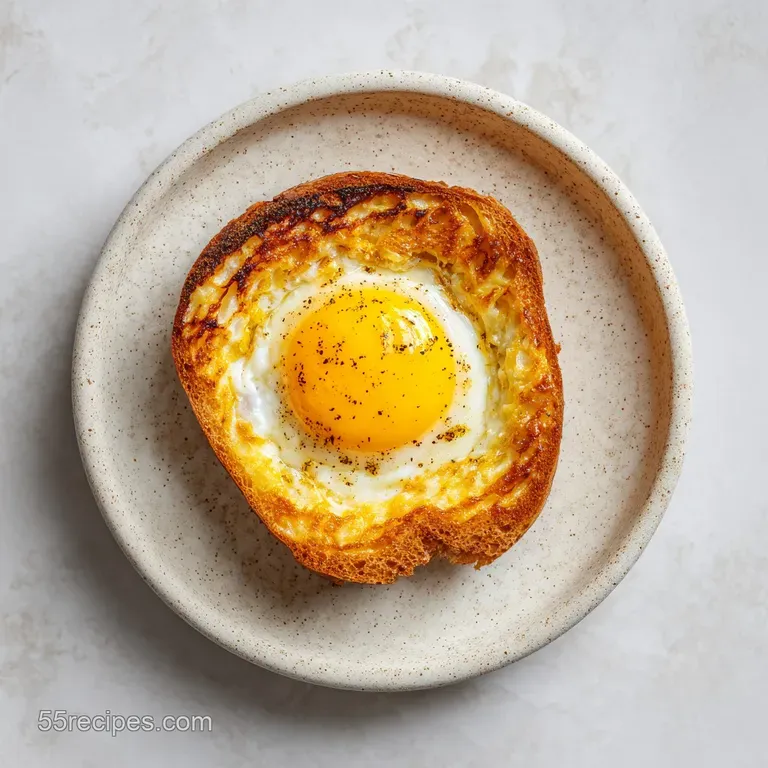
- Time: Active 5 minutes, Passive 8 minutes, Total 13 minutes
- Flavor/Texture Hook: Shatter crisp buttery bread with a rich, molten yolk center.
- Perfect for: A nostalgic weekend brunch or a hearty, high-quality comfort food breakfast.
- Why This Egg In The Hole Works
- Essential Recipe Specs And Timing
- The Best Ingredients For Success
- Tools For The Perfect Toast
- Step By Step Cooking Guide
- Avoiding Common Cooking Disasters
- Dietary Swaps For Every Table
- Storage And Reheating Guidelines
- Hearty Pairing And Serving Ideas
- Myth: You Must Flip the Egg
- Recipe FAQs
- 📝 Recipe Card
Why This Egg In The Hole Works
There is a specific sound that defines a slow Saturday morning in my kitchen. It is that first, rhythmic sizzle when a thick, buttered slice of brioche hits a warm skillet. I remember standing on a stool next to my grandmother, watching her use an old juice glass to punch holes in white bread.
She called them "One Eyed Sailors," and they were the height of luxury to me. But as I grew up, I realized the classic version often had a flaw: the bread would be burnt to a cinder by the time the top of the egg white actually set.
We have all been there. You are standing over the stove, poking at a translucent, jiggly egg white, wondering why it won't just firm up. If you leave it longer, the bottom of the bread turns into charcoal. If you flip it, you risk a catastrophic yolk explosion.
This egg in the hole recipe is my answer to those breakfast frustrations. We are leaning into the comfort food vibes with 1 inch thick bread and a lid on steaming technique that creates the most mouthwatering results you have ever seen in a frying pan.
This is not just a quick meal; it is a lesson in textures. We are aiming for that golden brown crust that shatters when you bite into it, contrasted with the pillow soft interior of the brioche. It is hearty, it is nostalgic, and it looks like a million bucks when the light hits those vibrant, pasture raised yolks.
Let's walk through why this specific method works every single time, even if you are still blurry eyed and reaching for your first cup of coffee.
- The Steam Set Effect: By covering the pan for the final few minutes, we trap moisture that would otherwise escape. This steam cooks the top of the egg whites instantly while the bread remains protected from direct, aggressive heat.
- Fat Barrier Protection: Buttering the inner rim of the hole creates a hydrophobic seal. This prevents the raw egg from soaking too deeply into the bread fibers, which keeps the crumb tender instead of soggy.
- Medium Low Graduation: Starting at medium low and dropping to low ensures the Maillard reaction (that golden browning) happens slowly and evenly across the entire surface of the thick cut slice.
| Method | Time | Texture | Best For |
|---|---|---|---|
| Stovetop | 8 mins | Crispy, buttery edges | Achieving the classic crust |
| Oven (400°F) | 12 mins | Evenly toasted all over | Making 6+ servings at once |
| Air Fryer | 6 mins | Extremely crunchy | A quick, solo weekday meal |
The stovetop method is truly the gold standard for this dish because you have total control over the sizzle. In an oven, you often lose that specific buttery fried texture on the bottom of the bread. On the stove, we can ensure the bread is perfectly toasted before the egg even touches the pan.
Essential Recipe Specs And Timing
When we talk about classics, precision is what separates a "good" breakfast from a "mouthwatering" one. For this egg in the hole recipe, we are looking for a total cook time of exactly 8 minutes. This is broken down into two distinct phases.
The first 4 minutes are all about the bread getting that uniform, deep gold color that looks so incredible in photos. The final 3-2 minutes are about the egg transformation.
| Component | Science Role | Pro Secret |
|---|---|---|
| Brioche Bread | High sugar/fat content | Slice it 1 inch thick to support the weight of a large egg. |
| Pasture Eggs | Structural protein | Use room temp eggs to prevent the pan temp from dropping too fast. |
| Salted Butter | Heat conductor | Soften it completely so it spreads without tearing the delicate bread. |
The bread choice is non negotiable if you want the best results. A standard thin slice of sandwich bread just doesn't have the structural integrity to hold a large egg without collapsing. By using a 1 inch thick slice, we create a deep well that cradles the yolk.
This depth is also what allows the bread to get that incredible crunch on the outside while staying velvety on the inside.
| Feature | Fresh Brioche | Shortcut White Bread |
|---|---|---|
| Absorption | Even, rich butter soak | Quick to go soggy/greasy |
| Heat Tolerance | High (thanks to egg/butter) | Burns very quickly |
| Flavor Profile | Sweet, toasted, nutty | Neutral, often "yeasty" |
The Best Ingredients For Success
I cannot stress this enough: go for the good butter. Since we are using 3 tablespoons of softened salted butter for just two slices, the flavor of the fat is the star of the show. I prefer a high fat European style butter because it has less water, which means more sizzle and less steaming during the initial toast.
It makes the bread feel like a decadent pastry rather than just a side of toast.
- Brioche or Challah (2 thick slices): These are enriched breads. They contain more eggs and butter than standard loaves, which means they brown beautifully and have a "melt in-your mouth" texture. Why this? The high fat content ensures the bread stays soft inside while the outside crisps.
- Pasture raised Eggs (2 large): You want those deep orange yolks for the best visual and flavor impact. Why this? Thicker whites in fresh eggs stay contained in the hole better than older eggs.
- Salted Butter (3 tbsp): Softened at room temperature is a must for even coverage. Why this? Salted butter seasons the bread from the inside out as it melts into the crumb.
- Garlic Powder (1/2 tsp): This adds a savory, aromatic layer that cuts through the richness of the egg. Why this? Provides uniform flavor without the risk of burning fresh garlic bits.
- Smoked Paprika (1/4 tsp): For a hint of woodsy warmth and a pop of red color. Why this? It complements the creamy yolk with a subtle earthy contrast.
- Flaky Sea Salt & Black Pepper (1/4 tsp each): Use freshly cracked pepper for that sharp bite. Why this? Flaky salt adds a final crunch that standard table salt lacks.
- Fresh Chives (1 tsp): Chopped finely to add a bright, oniony finish. Why this? The fresh green color makes the final plate look professional and vibrant.
If you find yourself out of brioche, don't panic. You can use a thick cut sourdough, though it will be much heartier and have a tangier finish. For those looking for a different vibe, you could even try a Honey Ice Cream recipe later in the day, but for breakfast, we are keeping things strictly savory and buttery.
Tools For The Perfect Toast
You don't need a kitchen full of gadgets, but two things make a massive difference here. First, a heavy bottomed skillet. I swear by my well seasoned cast iron or a heavy stainless steel pan.
They hold heat much better than thin aluminum pans, which means your bread toasts evenly instead of having hot spots and cold spots. When you drop the butter in, you want to hear a gentle, consistent sizzle, not a frantic popping.
Second, the cutter. A 2.5 inch circular cutter is the sweet spot. If the hole is too small, the egg white will overflow onto the top of the bread, making it soggy. If it's too large, the bread loses its structure and might break when you try to flip it.
If you don't have a cutter, a clean glass with a thin rim works just fine. Just be sure to press straight down so you don't tear the delicate brioche fibers.
Chef's Tip: Before you even start the stove, take your 3 tablespoons of butter and mash them with a fork. If the butter is too cold, you'll end up tearing chunks out of your bread. Softened butter should spread like room temperature frosting.
step-by-step Cooking Guide
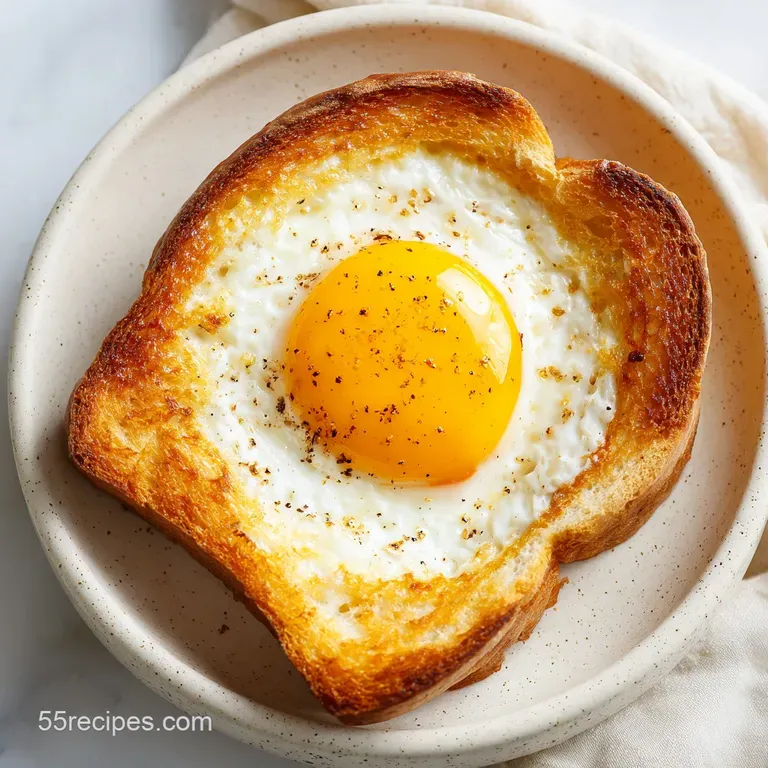
- Prep the bread. Using a 2.5 inch circular cutter, press a hole into the center of each 1 inch thick bread slice. Generously butter both sides of the bread and the cut out 'holes', ensuring the inner rim of the circle is coated. Note: Buttering the inner rim creates a seal that prevents the egg from leaking under the bread.
- Initial toast. Place a skillet over medium low heat. Add the bread and the cut out circles to the dry pan. Toast for 3-4 minutes until the bottom is a uniform golden brown.
- Perform the flip. Carefully flip both the bread slices and the toasted circles. The circles usually toast a bit faster, so keep an eye on them.
- Add the fat. Drop a small sliver of butter (from your 3 tbsp total) into the center of each hole. Let it melt and coat the bottom of the pan inside the circle.
- Add the eggs. Carefully crack one large egg into each hole. If a little white spills over, don't worry it adds to the rustic look.
- Season immediately. Sprinkle the yolks with the salt, pepper, and garlic powder while they are still wet so the spices stick.
- The steam set. Reduce the heat to low. Cover the pan with a tight fitting lid for 2-3 minutes. Wait until the whites are opaque but the yolks still jiggle.
- Final garnish. Remove the lid and slide the bread onto plates. Dust with the smoked paprika and fresh chives. Serve immediately while the steam is still rising.
The real magic happens during that covered phase. It’s like creating a tiny oven inside your skillet. While the bottom of the bread is getting one last bit of crispness against the pan, the top of the egg is being gently poached by the trapped steam.
It's the only way to get that professional, "clean" egg look without flipping the whole thing and ruining the yolk.
Avoiding Common Cooking Disasters
The biggest heartbreak in the kitchen is a broken yolk or a burnt slice of bread. Usually, these disasters happen because of heat management. We often want breakfast to be ready now, so we crank the heat to medium high. With brioche, that is a recipe for disaster.
Because of the high sugar and egg content in the bread itself, it will go from golden to black in about fifteen seconds if the pan is too hot.
Why Your Egg Leaks Everywhere
If you find the egg white running out from under the bread like a literal leak, your pan wasn't quite flat or your bread wasn't pressed down firmly enough. The key is to make sure the bread makes full contact with the skillet surface.
I sometimes give the bread a very gentle press with my spatula right as I crack the egg in. This "seats" the bread against the pan and creates a temporary dam for the whites.
| Problem | Root Cause | Solution |
|---|---|---|
| Soggy Bread | Not enough butter or low heat | Increase heat slightly and use all the butter to "fry" the crumb. |
| Rubbery Whites | Cooked too long/no lid | Use a lid to cook whites quickly via steam rather than long direct heat. |
| Bread Burnt, Egg Raw | Heat was too high | Start on medium low and drop to low once the egg is added. |
Common Mistakes Checklist
- ✓ Don't skip the "hole" buttering: The bread circles are the best part for dipping; treat them with as much love as the main slice.
- ✓ Use room temperature eggs: Cold eggs straight from the fridge will stick to the pan and take longer for the whites to set.
- ✓ Never use a lid that doesn't fit: You need that seal to trap the steam. If you don't have a lid, a large flat baking sheet works in a pinch.
- ✓ Avoid "pre salting" the pan: Season the egg directly once it is in the hole so the salt doesn't draw moisture out of the bread before it can crisp up.
Dietary Swaps For Every Table
We all have that one friend who needs a modification, and luckily, this recipe is incredibly forgiving. If you are looking for a gluten-free version, choose a sturdy, thick cut GF loaf. Most gluten-free breads are quite dense, which actually helps them hold the egg well.
Just be aware that they often require a bit more butter because they tend to be drier than traditional brioche.
If you are trying to cut back on dairy, you can swap the salted butter for a high-quality vegan butter or even coconut oil. If you go the coconut oil route, you'll get a very different, slightly tropical flavor profile. It’s a bit like how Honey Ice Cream provides a unique sweetness without the usual heavy cream base. For a dairy-free egg in the hole, I recommend adding a tiny pinch of extra salt to the pan to mimic that savory butter "pop."
| Original Ingredient | Substitute | Why It Works |
|---|---|---|
| Salted Butter | Avocado Oil | High smoke point, though you lose the creamy flavor profile. |
| Brioche | Thick Sourdough | Sturdier structure and adds a nice acidic contrast to the rich yolk. |
| Garlic Powder | Everything Bagel Seasoning | Adds texture and a variety of toasted flavors to the finish. |
For a keto friendly or low carb version, I’ve seen people use a thick slice of a "cloud bread" or a keto certified loaf. The cooking times remain roughly the same, but keep an eye on the browning, as low carb breads often use almond flour which can burn at lower temperatures than wheat flour.
Storage And Reheating Guidelines
Let's be honest: this is a "make and eat" kind of dish. The beauty of the egg in the hole recipe is the contrast between the hot, crispy bread and the liquid yolk. However, if you find yourself with leftovers, you can store the toasted bread in the fridge for up to 2 days.
The egg yolk will likely firm up during storage, so it won't be runny when you reheat it, but it still tastes like a very high-quality egg sandwich.
To reheat, avoid the microwave at all costs. It will turn your beautiful brioche into a soggy, rubbery mess. Instead, pop it back into a dry skillet over low heat for 2 minutes per side. This will bring back some of the crunch to the bread without completely overcooking the egg. If you have extra bread "holes," you can toss them in a bag with a little cinnamon and confectioners sugar for a quick snack later.
Zero Waste Tip: If you have leftover chives or herbs, don't let them wilt in the crisper drawer. Finely mince them and mix them into your remaining softened butter. Wrap it in parchment paper and keep it in the freezer.
Next time you make this recipe, you'll have instant "herb butter" ready to go, which adds another layer of flavor to the toast.
Hearty Pairing And Serving Ideas
While this dish is a complete meal on its own, I love serving it with a side of thick cut, crispy bacon or a few links of maple breakfast sausage. The saltiness of the meat plays so well with the slight sweetness of the brioche.
If you want to keep things on the fresher side, a simple arugula salad with a lemon vinaigrette provides a much needed acidic bite that cuts through all that glorious butter and egg fat.
- Sweet & Salty: Serve with a small ramekin of warm maple syrup for dipping the toasted circles.
- Spicy Kick: A few dashes of your favorite fermented hot sauce (like Cholula or Tabasco) over the yolk before serving.
- The "Cacio e Pepe" Twist: Freshly grated Pecorino Romano and extra black pepper right before the lid goes on.
If you're feeling adventurous, you can even turn this into a "California style" breakfast by sliding a few thin slices of avocado onto the bread right before you eat. The creaminess of the avocado with the runny yolk is a texture lover's dream.
No matter how you serve it, make sure you have the toasted circles front and center they are the "spoons" of the dish, specifically designed for dredging through that liquid gold yolk.
Myth: You Must Flip the Egg
One of the most persistent myths in breakfast cooking is that you have to flip the egg to get the whites to cook. This is what leads to 90% of broken yolks. The "over easy" approach is fine for a standalone egg, but when it’s embedded in a thick slice of bread, flipping is a high risk maneuver.
The steam set method we use here completely debunks this. By using a lid, you are cooking the top of the egg with heat from above (steam) and the bottom from the pan. No flip required, no broken hearts.
Another myth is that you need a non stick pan. While non stick makes cleanup easier, you actually get a much better crust on a cast iron or stainless steel surface. The bread develops a deeper, more complex "crunch" when it can really grip the heat of the metal.
As long as you use the full 3 tablespoons of butter as directed, sticking won't be an issue. The butter acts as a natural release agent and a flavor powerhouse all in one.
Finally, some people think you can't use thick bread because the egg won't cook through. In reality, the thick bread is your best friend. It acts as an insulator, protecting the delicate egg from the intense heat of the pan while the steam does the work on top.
This is the secret to getting that perfect, mouthwatering contrast between the toasted exterior and the tender, rich center. Trust the process, keep that lid on, and enjoy the best breakfast of your life.
Recipe FAQs
How to do an egg in the hole?
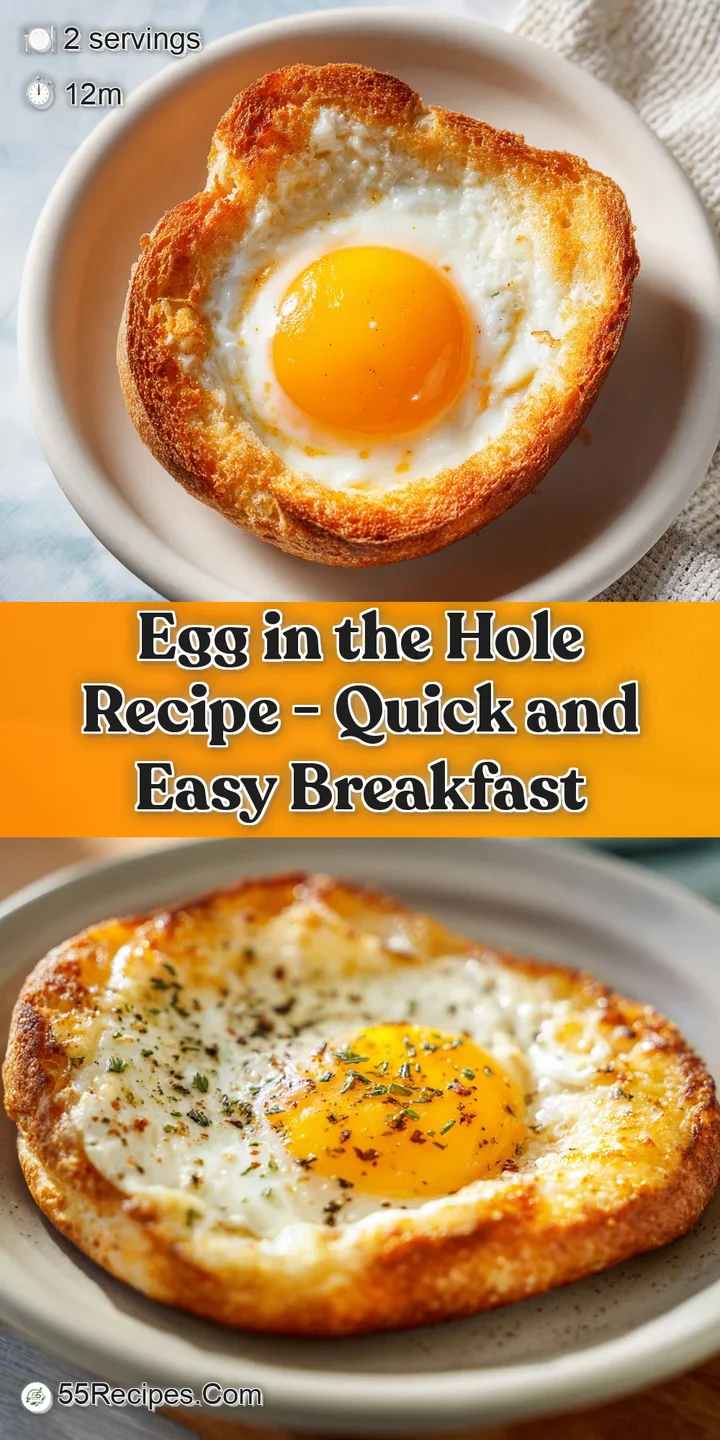
Cut a 2.5 inch hole in 1 inch thick bread, butter the bread and inner rim, then toast in a skillet for 3-4 minutes. Crack an egg into the center, season, and cover with a lid on low heat for 2-3 minutes until whites are opaque.
What do the British call an egg in a hole?
They often refer to it as "egg in a basket" or "toad in the hole," though the latter traditionally refers to sausages baked in Yorkshire pudding batter.
How to make french toast egg in a hole?
Avoid using French toast batter, as it will make the bread soggy and interfere with the crisp texture. Stick to the official method of buttering brioche or challah to achieve that perfect contrast, similar to how you use a Aji Amarillo Sauce recipe to elevate a simple base.
What is the best pan for egg in a hole?
A non-stick skillet or seasoned cast iron is best to prevent the egg white from sticking. Ensure you have a matching tight fitting lid to trap the steam required to set the whites.
Is it true I must use high heat to get the bread crispy?
No, this is a common misconception. Medium low heat is necessary to toast the bread to a uniform golden brown without burning the butter before the egg whites have a chance to set.
Why is my bread soggy?
You likely skipped the buttering step or used the wrong heat level. Generously buttering both sides and the inner rim creates a seal, while using medium low heat ensures the bread toasts properly rather than steaming in the pan.
Can I store leftovers for later?
Yes, store toasted bread in the fridge for up to 2 days, though the yolk will firm up. Always reheat in a dry pan rather than a microwave to avoid a rubbery texture.
Egg In The Hole Recipe
Ingredients:
Instructions:
Nutrition Facts:
| Calories | 394 kcal |
|---|---|
| Protein | 11.5 g |
| Fat | 26.8 g |
| Carbs | 26.4 g |
| Fiber | 1.1 g |
| Sugar | 4.2 g |
| Sodium | 556 mg |
