Classic Hot Pastrami Sandwich Recipe
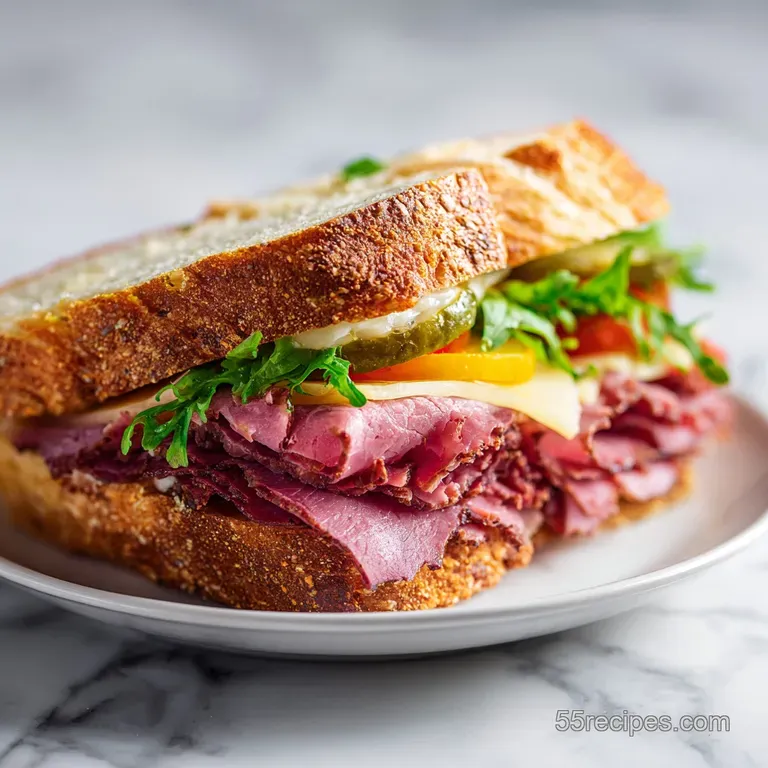
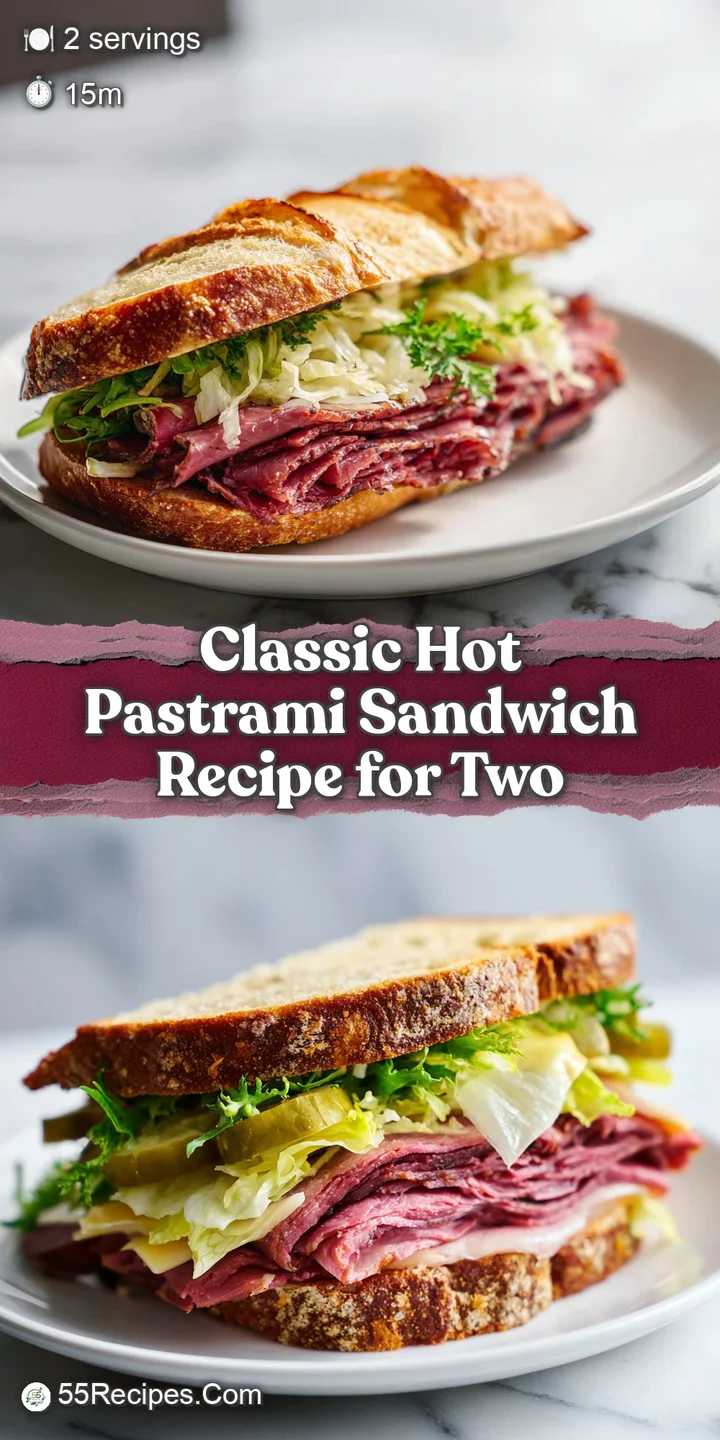
- Time: Active 5 minutes, Passive 10 minutes, Total 15 minutes
- Flavor/Texture Hook: Savory, salt crusted meat with a velvet cheese melt
- Perfect for: A nostalgic weekend lunch or a hearty midnight snack
- Precise Specs for Deli Bites
- Deep Dive into Flavor Science
- Tools for a Flawless Melt
- From Prep to Final Plate
- Fixing Common Sandwich Problems
- Creative Twists and Simple Swaps
- Storing and Keeping Food Fresh
- Sides for a Hearty Meal
- Kitchen Myths and Truths
- Critically High in Sodium
- Recipe FAQs
- 📝 Recipe Card
Walking into a classic New York deli at two in the afternoon is a sensory overload I'll never forget. The air is thick with the scent of brine, toasted caraway, and that specific, heavy aroma of rendered beef fat.
I remember sitting at a scarred wooden table, watching a cook pile mountains of steaming meat onto rye bread with a speed that felt like performance art. That first bite was a revelation the way the hot meat practically dissolved against the sharp bite of spicy mustard.
Since then, I've spent years trying to recreate that magic in my own kitchen. I used to make the mistake of just throwing the meat in a cold pan and hoping for the best, only to end up with rubbery curls of pastrami and burnt bread.
But after a few dozen attempts and some advice from a friend who spent a decade behind a deli counter, I figured out the "water trick." It's the difference between a sad, dry sandwich and a hearty, mouthwatering masterpiece that drips with flavor.
We aren't just making a sandwich here; we're building layers of comfort. This recipe focuses on that nostalgic, homestyle feel where the bread has a slight crunch but the inside is pillowy and warm. If you’ve been looking for that specific deli style "snap," you’ve found it.
Right then, let’s get into why this method actually works and how you can nail it every single time.
Precise Specs for Deli Bites
The Steam Cloud Strategy: When you add water or broth to a hot pan with pastrami, it instantly vaporizes into steam. This steam penetrates the dense fibers of the cured meat, gently rendering the intramuscular fat so it becomes velvety rather than chewy.
Bread Structural Integrity: Rye bread contains caraway seeds that release oils when toasted, providing an aromatic bridge to the peppered crust of the pastrami. Using a heavy pan ensures the bread toasts evenly, creating a sturdy foundation that won't collapse under the weight of the meat.
Protein Denaturation Control: Pastrami is already cured and smoked, meaning it's technically cooked. We are only reheating it to 145°F (63°C), which is the sweet spot where the fats liquify but the protein strands don't tighten up and become tough.
Fat Emulsion Bonding: The Swiss or Gruyère cheese acts as a biological "glue." As it reaches its melting point, the fats in the cheese mingle with the mustard and meat juices, creating a rich, cohesive filling that stays inside the bread.
| Meat Thickness | Internal Temp | Rest Time | Visual Cue |
|---|---|---|---|
| Paper Thin | 145°F (63°C) | 1 minute | Meat looks glossy and limp |
| Medium Ribbon | 150°F (66°C) | 2 minutes | Fat edges turn translucent |
| Thick Slab | 155°F (68°C) | 3 minutes | Meat pulls apart with a fork |
Choosing the right cut is half the battle when you're working with cured meats. While some people prefer a leaner profile, I always tell my friends to go for the marbled slices if you want that authentic, melt in-your mouth texture. It’s similar to how we choose the right cut for a Skirt Steak recipe to ensure maximum juiciness after searing.
Deep Dive into Flavor Science
Understanding your components is the key to moving from a "good" cook to a "great" one. Every ingredient in this stack has a specific job to do, and when they work together, it's like a well choreographed dance in the skillet.
| Component | Science Role | Pro Secret |
|---|---|---|
| Jewish Rye Bread | Acidic contrast | Caraway seeds provide a "citrus" note that cuts through fat |
| 1 lb Pastrami | Umami base | High salt content draws moisture, so steam is mandatory |
| Spicy Brown Mustard | Emulsifier | Vinegar helps break down the richness of the beef |
| Swiss/Gruyère | Moisture barrier | High oil content prevents the bread from getting soggy |
Pastrami is essentially a brisket that has been brined, seasoned with a heavy rub of black pepper and coriander, smoked, and then steamed. When we recreate this at home, we are essentially finishing the "steam" phase that deli pros use.
If you skip the water or broth in the pan, you're essentially just frying the meat, which ruins that delicate, tender texture we're after.
Tools for a Flawless Melt
You don't need a professional flat top grill to make this happen, but a few specific pieces of gear will make your life much easier. I personally swear by a heavy cast iron skillet for this. It holds heat like nothing else, which means once you drop that water in and throw the lid on, the temperature stays consistent.
A tight fitting lid is the second most important tool. Without it, your steam just vanishes into the kitchen air instead of doing its job on the meat. If you don't have a lid that fits your pan, a simple baking sheet placed over the top works in a pinch.
You’ll also want a sturdy spatula something thin enough to get under the rye bread without tearing it but strong enough to flip a pound of meat.
Finally, keep a small spray bottle or a measuring spoon handy for the water or broth. You only need a tiny amount to create the necessary steam. If you dump in too much, you’ll end up with a boiled sandwich, which is definitely not the goal. We want a sizzle, a flash of steam, and then a quick melt.
From Prep to Final Plate
Before you start, make sure your pastrami is at room temperature. Cold meat takes longer to heat through, which means your bread might burn before the center of the stack is hot. I like to fluff the meat up so it's not one solid block; this allows the heat to circulate through the ribbons.
- Prep the foundation. Spread 3 tbsp spicy brown mustard evenly across two slices of Jewish rye bread. Note: This creates a flavor barrier.
- Butter the exterior. Apply 1 tbsp softened unsalted butter to the outside of all four bread slices.
- Heat the skillet. Place a heavy pan over medium heat until a drop of water flicked on it dances and evaporates.
- Sizzle the meat. Place 1 lb pastrami in the hot pan in two separate piles. Note: This helps with portioning.
- The steam flash. Pour 2 tbsp water or beef broth into the pan around the meat and immediately cover with a lid.
- Render the fat. Steam for 2 minutes until the meat is limp, glossy, and steaming hot.
- Add the cheese. Place 2 slices of Swiss or Gruyère cheese over each pile of meat and cover again for 30 seconds.
- Toast the bread. Move the meat to a plate, wipe the pan, and place the bread slices (butter side down) in the skillet.
- Assemble the stack. Use a spatula to lift the cheesy meat piles onto the mustard coated bread slices.
- The final press. Close the sandwiches and toast for 2 minutes per side until the bread is deep golden brown and crunchy.
Chef's Tip: If you want an even deeper flavor, use beef broth instead of water for the steaming phase. It adds a layer of savory richness that plain water just can't match. Also, don't be afraid to press down slightly with your spatula while toasting the bread to ensure total contact with the heat.
This process is very similar to how you might handle the bread in a How to Make recipe for a spicy chicken sandwich, where getting that golden crust is vital for the overall texture. The contrast between the crunch of the rye and the soft, yielding interior of the meat is what makes this a classic.
Fixing Common Sandwich Problems
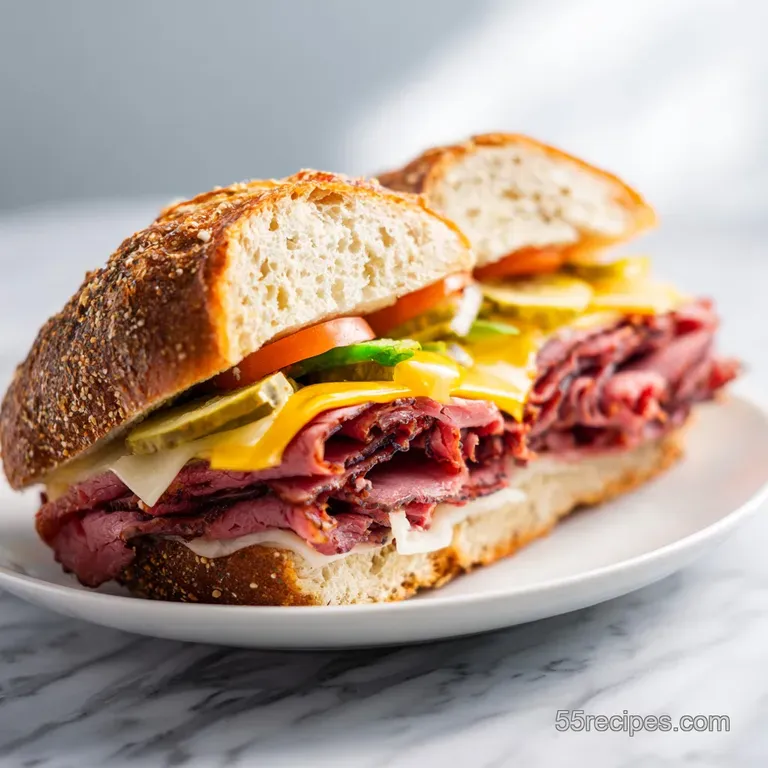
Why Your Pastrami Is Rubbery
If your meat feels like a rubber band, it usually means it was heated too quickly without enough moisture. Pastrami has a lot of connective tissue that needs a bit of "help" to soften back up. If you skip the lid or the water, the outside of the meat dries out while the fat stays cold and hard.
| Problem | Root Cause | Solution |
|---|---|---|
| Soggy Bread | Too much steam liquid | Only use 2 tbsp liquid and wipe pan before toasting bread |
| Cold Center | Meat was piled too high | Fluff the meat ribbons so steam can penetrate the middle |
| Burnt Crust | Heat was too high | Use medium low heat for the bread toasting phase |
Another common issue is the cheese not melting properly. This usually happens if the cheese is sliced too thick or if it's "processed" cheese with a lot of fillers. Using a high-quality Swiss or Gruyère is non negotiable for that velvety stretch.
If it’s still not melting, a tiny splash of water under the lid for 10 seconds will create a localized heat pocket that forces the melt.
Common Mistakes Checklist
- ✓ Always fluff the sliced meat before putting it in the pan (prevents a cold core).
- ✓ Never skip the lid; steam is what makes the meat deli tender.
- ✓ Don't butter the pan; butter the bread directly for an even, golden toast.
- ✓ Wipe the pan clean after steaming the meat to prevent the bread from getting wet.
- ✓ Let the finished sandwich sit for 60 seconds before cutting to set the cheese.
Creative Twists and Simple Swaps
While the classic Jewish rye is traditional, some people find the caraway seeds a bit polarizing. If you're one of them, a sourdough loaf or even a thick cut brioche can work. Just keep in mind that a softer bread like brioche will need a lower temperature so it doesn't burn before the inside is hot.
| Original Ingredient | Substitute | Why It Works |
|---|---|---|
| Spicy Brown Mustard | Horseradish Mayo | Adds a creamy kick with similar pungency |
| Swiss Cheese | Sharp Provolone | Melts beautifully with a slightly more aggressive flavor |
| Rye Bread | Sourdough | Offers a similar tang but with a much crispier crust |
If you want to get really wild, you could even try a "Pastrami Chimichurri" version. While it's definitely not traditional, adding a spoonful of Chimichurri Recipe inside the sandwich provides an herbal brightness that cuts right through the heavy fat of the beef. It’s a modern twist that surprisingly works with the smokiness of the meat.
Storing and Keeping Food Fresh
To be honest, this sandwich is best eaten the second it leaves the pan. The contrast between the hot meat and the crunchy bread is fleeting. However, if you find yourself with leftovers, don't just throw the whole sandwich in the fridge. The bread will turn into a brick, and the meat will get tough.
Store the meat and cheese separately from the bread. You can keep the pastrami in an airtight container in the fridge for up to 4 days. When you're ready for round two, repeat the steaming process with the meat first, then toast fresh slices of bread.
I don't recommend freezing a finished sandwich, but you can certainly freeze the sliced pastrami for up to 2 months.
For a zero waste tip: if you have small scraps of pastrami left over, chop them up and fry them until they’re crispy. They make an incredible topping for a salad or can be folded into a morning omelet. It’s like deli style bacon bits!
Sides for a Hearty Meal
A sandwich this rich needs something bright and acidic to balance it out. A huge, garlic heavy dill pickle is the classic choice, and for good reason the vinegar resets your palate after every salty bite.
I also love a side of vinegar based coleslaw rather than the creamy kind, as it adds a necessary crunch without adding more heavy fat.
If you’re looking for something a bit more substantial, a simple potato salad or even a light green salad works well. If you want to keep the "sandwich and salad" theme going but want something a bit more modern, you could serve it alongside a The Cheeseburger Salad recipe for a full on deli feast. Just remember: the sandwich is the star of the show, so keep the sides simple and sharp.
| Method | Time | Texture | Best For |
|---|---|---|---|
| Stovetop (Pan) | 10 minutes | Maximum crunch, gooey cheese | Individual servings, quick lunch |
| Oven (Broiler) | 15 minutes | Even browning, less "juicy" | Making 4+ sandwiches at once |
| Air Fryer | 8 minutes | Shatter crisp edges | Small portions, very fast cleanup |
Kitchen Myths and Truths
One big myth is that you need to cook pastrami for a long time to make it tender. In reality, the meat is already fully cooked and tenderized from the smoking and steaming process at the deli. All we are doing is "waking up" the fats.
If you cook it for too long in a dry pan, you're actually doing the opposite you're evaporating the internal moisture and making it tough.
Another misconception is that "pastrami" and "corned beef" are interchangeable. While they start as the same cut, pastrami is seasoned and smoked, while corned beef is just boiled or steamed.
This means pastrami has a much deeper, more complex flavor profile that can stand up to stronger toppings like spicy mustard and caraway seeds. Trust me, the smoke makes all the difference when the heat hits it.
Critically High in Sodium
3045 mg mg of sodium per serving (132% of daily value)
The American Heart Association recommends limiting sodium intake to no more than 2,300mg per day for most adults.
Tips to Reduce Sodium in Your Pastrami Sandwich
-
Low-Sodium Pastrami-25%
The pastrami is the biggest source of sodium. Look for low-sodium pastrami options; many brands now offer reduced sodium varieties that can significantly cut the sodium content.
-
Low-Sodium Cheese-15%
Swiss and Gruyère cheeses can be high in sodium. Opt for low-sodium Swiss cheese, or explore other cheese options with lower sodium content. You can also reduce the amount of cheese per sandwich.
-
Rye Bread Choice-10%
Rye bread can contribute to sodium intake. Select a low-sodium rye bread or try a different type of bread altogether. Check nutrition labels carefully, as sodium content varies widely.
-
Mustard Moderation-10%
Spicy brown mustard can be high in sodium. Use less mustard, or explore other condiments with lower sodium levels. Consider making your own mustard at home to control the sodium content.
-
Unsalted Broth-30%
If using beef broth, ensure it is unsalted. Otherwise, just use water.
-
Spice It Up!
Enhance the flavor with fresh or dried herbs and spices like black pepper, garlic powder (not garlic salt!), onion powder, or smoked paprika. These add flavor without adding any sodium.
Recipe FAQs
What do you put on a hot pastrami sandwich?
Typically, spicy brown mustard, Swiss cheese, and Jewish rye bread. The mustard cuts through the richness of the cured meat, while the cheese melts perfectly when the pastrami is steamed hot. Many purists also insist on dill pickles on the side for essential acidity.
Is pastrami sandwich better hot or cold?
Hot is significantly better for an authentic deli experience. Heating the pastrami releases its rendered fat and softens the meat fibers, making it incredibly tender. Cold pastrami remains dense and chewy, losing the signature melt factor.
What is the best way to heat pastrami for a sandwich?
Steam the pastrami in a hot pan using a tablespoon of liquid and a tight lid. This method gently reheats the meat to about 150°F while keeping it moist. If you enjoyed mastering the steam technique here, apply that same principle for perfectly cooked meats in our [Roast Chicken recipe].
Is pastrami ok to eat while pregnant?
No, fully cooked deli meats are generally advised against unless reheated to steaming hot. Because pastrami is cured and smoked, it is considered technically cooked, but reheating it to 165°F (steaming hot) drastically reduces any potential listeria risk.
Always confirm with your healthcare provider first.
What kind of cheese is traditional on hot pastrami?
Swiss or Gruyère are the most traditional choices. These cheeses melt beautifully, offering a nutty flavor that complements the peppery crust of the pastrami. The oil content in these cheeses helps create a stable emulsion with the meat juices.
Can I use corned beef instead of pastrami?
Yes, but the flavor profile will change significantly. Corned beef is brined and boiled, lacking the smoke and heavy black pepper/coriander rub that defines pastrami. You will get a more delicate, salty flavor, closer to a Reuben filling.
How do you prevent the rye bread from getting soggy?
Wipe the pan completely clean after steaming the meat before toasting the bread. Also, ensure you are using a sufficient layer of butter on the exterior and place the cheese directly on the meat stack. This creates a fat barrier between the hot, moist meat and the bread surface.
Hot Pastrami Sandwich Recipe 2

Ingredients:
Instructions:
Nutrition Facts:
| Calories | 731 kcal |
|---|---|
| Protein | 66.5 g |
| Fat | 34.3 g |
| Carbs | 31.9 g |
| Fiber | 3.7 g |
| Sugar | 1.5 g |
| Sodium | 3045 mg |
