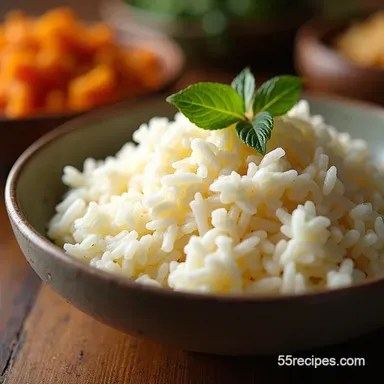
Restaurantquality Fluffy White Rice Jasmine or Basmati
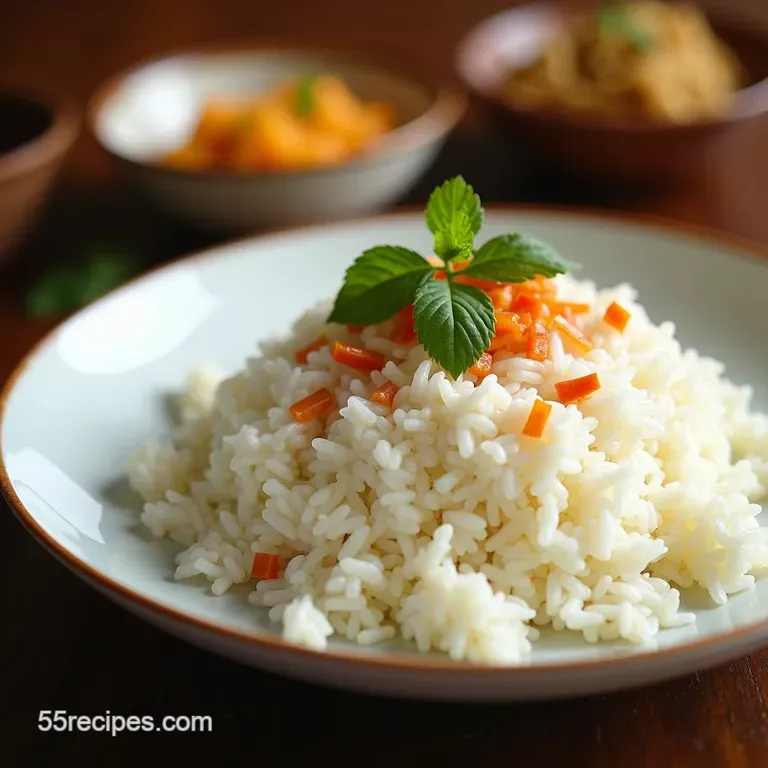
- Seriously, Stop Ruining Your Rice!
- The Secret to the Perfect Fluff
- No More Guessing Games
- Why Rinsing is Your New Best Friend
- The Magic of the Steam Rest
- Getting the Gear and the Grub Ready
- Stop Making Glue: Achieve Restaurant Quality Rice Technique Every Time
- Beyond the Basics: Making Your Perfect Fluffy White Rice Recipe Sing
- Serving Up the Fluff: Presentation Matters
- Leftovers SOS: Storing Your Grains
- Switch It Up: Easy Adaptations
- Fuel Facts: Why Rice is Your Friend
- Frequently Asked Questions
- 📝 Recipe Card
Seriously, Stop Ruining Your Rice!
Honestly, who hasn't totally messed up a basic batch of rice? Sticky mush, hard bullets, or scorched bottoms it’s infuriating, isn't it? We all need that perfectly reliable, neutral base for our glorious curries or stir fries.
Everyone asks: how do you cook white rice so it turns out exactly like the restaurant quality rice technique you get from your favourite takeaway?
The secret is simpler than you think. This isn't some huge culinary faff. It's all about precision.
The Secret to the Perfect Fluff
For years, I totally failed at this. I’d nail a rich Korma, only to serve it alongside a claggy disappointment.
I finally learned the professional trick, and it changed everything. We are using the very reliable simple absorption method rice .
This technique works perfectly whether you are keen on how to cook jasmine rice on the stove or using aromatic Basmati.
It sounds fancy, but this method is surprisingly easy, promise!
No More Guessing Games
You can achieve a perfect fluffy white rice recipe every single time by following two core rules. First, you must know the exact basmati rice water ratio .
Second, you absolutely cannot peek! This approach ensures proper cooking long grain white rice and guarantees that beautiful, separate grain texture.
This is a true beginner friendly recipe, rating "Easy." The total time is only about 35 minutes , and the active cooking time is less than 20 minutes .
We aim for four solid servings.
Why Rinsing is Your New Best Friend
The single most critical step to prevent sticky rice when cooking is proper rinsing. It removes the surface starch that turns your pot into glue.
I know it seems annoying, but dedicating five minutes to rinsing white rice before cooking is a game changer. Do it until the water runs completely clear!
This recipe delivers texture, which is the main goal here. Rice is also an incredibly easy-to-digest energy source. It’s the ideal neutral canvas for any big, bold flavour you throw at it.
The Magic of the Steam Rest
Remember the crucial final stage after the simmer? It’s not done once the heat is off. Following the exact steps for cooking white rice in a saucepan means leaving the lid on for an extra 10 minutes .
That quiet time is how long to rest cooked rice , allowing the residual steam to finish the job.
Lifting the lid too early lets out that precious steam pressure, and your rice will be unevenly cooked. Keep a stiff upper lip and resist the urge to peek! Now that you know the framework, let's grab the ingredients.
Getting the Gear and the Grub Ready
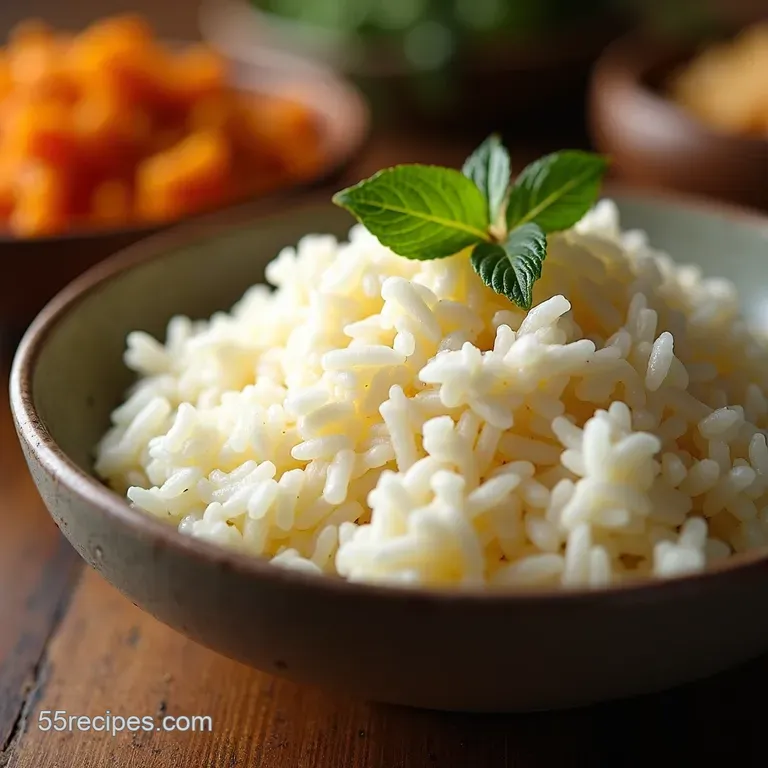
Honestly, if you think making a perfect fluffy white rice recipe is just throwing water and grains into a pan, I’m here to stop you right there, mate.
This is a science! We are aiming for that glorious, restaurant quality rice technique . Ever wondered how do you cook white rice that doesn't stick? It starts right here.
Getting the measurements spot on is more crucial than you think. Did you know using a precise 1 part rice to 1.
25 parts liquid dramatically reduces the chance of rice splitting? Dead serious.
The Vital Ingredients (Precision is Key!)
We need so little, but we need it to be exact . Forget those vague cup measures. The trick to the ideal basmati rice water ratio is pure precision.
- Long Grain White Rice: 1 cup (200 g) . Use Jasmine or Basmati. They are the best for this simple absorption method rice .
- Cold Water: 1 ¼ cups (300 ml) . This ratio is non-negotiable. If you use too much, say goodbye to separating the grains and hello to glue.
- Fine Sea Salt: ½ teaspoon (2.5 g) . Essential for flavour. Don’t skip it.
- Fat (Optional but Recommended): ½ tablespoon of butter or neutral oil. This helps prevent sticky rice when cooking and gives it a lovely sheen.
Quick Substitution Note: If you want to turbo charge the flavour, try stock instead of water. Low sodium veg or chicken stock works brilliantly. Just remember to taste before adding extra salt.
Spice Up Your Life
This is usually a blank canvas, but you can be bold. When I’m making Thai green curry, I always drop in a bay leaf or sometimes a chunk of lemongrass.
It makes a huge difference. For a quick Persian touch, add a pinch of saffron to the cold water. It infuses beautifully.
These little flavor enhancers and aromatics elevate your basic cooking long grain white rice .
Tools of the Trade
Don't panic; you don’t need anything fancy. But one item is an absolute must: the lid!
- The Pan: A medium, heavy bottomed saucepan. Heavy means even heat distribution. This is critical for the steps for cooking white rice in a saucepan .
- The Lid: Needs to be tight fitting. I mean, tight . If steam is escaping, you’re failing the mission. If your lid is dodgy, grab a clean tea towel, put it over the pot, and then put the lid on top. This restaurant quality rice technique traps the moisture perfectly.
- The Sieve: A fine mesh sieve is crucial for rinsing white rice before cooking . This is the step that makes all the difference! If you skip it, your rice will be gloopy. Trust me, I learned that the hard way.
- Timer: You must time the simmer ( 15 minutes ) and the rest ( 10 minutes ). Don’t guess how long to rest cooked rice ; use a timer!
Stop Making Glue: Achieve Restaurant Quality Rice Technique Every Time
Oh my gosh, I remember years ago trying to master rice. It was always a gamble! Would I get beautiful, fluffy grains? Or a solid, sticky brick perfect for wall repair? Honestly, rice seems simple, but it’s a total drama queen.
This recipe, using the simple absorption method rice , changed my life. It’s the ultimate perfect fluffy white rice recipe .
The secret to perfectly separated grains lies in the preparation. This is your essential mise en place .
Prep Steps: The Clean Start
First, we need to talk starch. Starch is the enemy if you want that lovely separation. To prevent sticky rice when cooking , you must rinse.
Grab 1 cup of long grain white rice (Jasmine or Basmati). Put the rice in a fine mesh sieve. Now, commit to the rinsing.
Run cold water over the rice, tumbling it with your hand. Keep rinsing until the water draining underneath is completely transparent.
It starts milky, I know. But rinsing white rice before cooking is non-negotiable.
Once drained, transfer it to your heavy saucepan. Now for the crucial measurement. We follow the precise basmati rice water ratio of 1 part rice to 1 ¼ parts cold water.
Add your water and about ½ teaspoon of salt. I also chuck in a small knob of butter for extra flavour.
Steps for Cooking White Rice in a Saucepan
This is the part where everyone asks: how do you cook white rice without burning the bottom? Easy. Precision heat control is vital.
- Place the pan, uncovered, over medium high heat. Bring the water to a proper, rolling boil. Stir only once now.
- The instant it boils, reduce the heat immediately to the lowest possible setting. It should be barely simmering.
- Immediately put the tight fitting lid on. This is serious business.
- Set a timer and simmer undisturbed for exactly 15 minutes . Resist the urge to peek! The steam must stay trapped.
- After the timer goes off, turn the heat off completely. Leave the pan sitting on the hob.
- This is vital: Do not lift the lid! Let the rice rest for another 10 minutes . This rest is how long to rest cooked rice for best results. This residual steam finishes the cooking perfectly.
- After the 10-minute rest, lift the lid. Use a fork to gently fluff the rice from bottom to top. Look at those individual grains!
Pro Tips: No More Sticky Mess
The biggest mistake people make is lifting the lid during the cooking or resting phases. If you release the steam, the delicate balance is gone.
You’ll end up with hard bits at the top and soggy bits underneath.
If you struggle with a loose lid, try the old chef trick. Fold a clean tea towel. Put it over the pot, then place the lid on top.
The towel acts as a seal, trapping every bit of steam. This is key to true restaurant quality rice technique .
Stick to the timing, trust the process, and enjoy your perfectly fluffy white rice!
Beyond the Basics: Making Your Perfect Fluffy White Rice Recipe Sing
Okay, you’ve mastered the simple absorption method rice technique. You’ve done the crucial rinsing white rice before cooking step, and now you have perfectly separated, gorgeous grains.
Honestly, knowing precisely how do you cook white rice properly changes everything. Now, let’s talk about making this creation shine and handling those inevitable leftovers.
Serving Up the Fluff: Presentation Matters
This rice is so beautiful, it deserves to look the part. Skip the floppy, massive serving spoon straight onto the plate.
Try using a small cup or a ring mold to create a neat, professional stack. It gives you that true restaurant quality rice technique look, even if you’re just serving beans on toast!
This cooking long grain white rice is the perfect partner for rich sauces. Think hearty curries like a deep Rogan Josh or a buttery Korma.
For a light lift, pair it with simple grilled fish and a squeeze of fresh lemon. And what about drinks? I always reach for something crisp, like a cold lager or a fizzy, dry white wine.
Leftovers SOS: Storing Your Grains
Safety first! Cooked rice can be tricky if you leave it hanging around. You must cool your rice quickly to prevent sticky rice when cooking the next day, and, more importantly, to avoid bacteria.
I always immediately transfer leftovers to a sealed, shallow container and refrigerate it within the hour. It keeps perfectly for 3 to 4 days .
If you want to freeze it, portion it out first. When reheating, splash a tiny bit of water over it, cover it tightly, and microwave or heat it in a covered saucepan.
That moisture creates steam, keeping the grains tender.
Switch It Up: Easy Adaptations
Want to get creative without messing up the basmati rice water ratio ? Easy peasy! If you’re keeping things vegan, just stick to a neutral oil instead of butter in the cooking steps.
The results will still be fabulous.
For a fun twist, especially when cooking in winter, try adding a few frozen peas and a tiny pinch of turmeric right when the water is boiling.
Or, for a lovely aromatic base, add a few black peppercorns and a bay leaf to the water before the first boil.
Just be sure to remove them before you fluff the rice! The success of the how to cook jasmine rice on the stove method relies on the basic steps holding firm.
Fuel Facts: Why Rice is Your Friend
Rice is essentially pure, sustained energy. It’s mostly complex carbohydrates, giving you fuel that lasts. It's naturally gluten-free and extremely low in fat.
If you particularly use Basmati rice, some research suggests it has a lower glycaemic index compared to other white rice types.
This means a more steady release of energy. It’s the ideal foundation for almost any meal.
Honestly, once you nail this method especially paying attention to how long to rest cooked rice —you've got a staple that will never let you down. Go forth and enjoy your beautiful rice!
Frequently Asked Questions
I always seem to end up with gluey mush. What's the secret to perfecting how do you cook white rice so it’s light and fluffy?
The biggest hurdle in achieving that perfect, separate grain texture the 'restaurant quality' look is the surface starch. You must rinse the rice under cold water until the runoff is totally clear; this is non-negotiable.
Also, remember the two-part cooking method: the 15-minute gentle simmer followed by the crucial 10-minute undisturbed rest is where the magic happens, ensuring the grains don’t stick together.
Is it really that important not to lift the lid? I’m always worried the bottom is burning!
Absolutely, keep a stiff upper lip and resist the urge! Lifting the lid is the culinary equivalent of watching paint dry; it allows the critical steam pressure to escape. The steam is what cooks the top grains evenly.
If you peek, the temperature drops, the steam vanishes, and you’ll likely end up with rice that’s crunchy on top and either soggy or burnt on the bottom.
Can I double or triple this recipe if I’m feeding a big family, or does the water ratio change?
The great news is the 1 part rice to 1.25 parts water ratio remains the same, which is one less thing to faff about! However, when scaling up, you must use a wider, heavier pan. This keeps the layer of rice shallower and ensures even heat distribution.
You may need to increase the resting time slightly (up to 12 minutes) to guarantee the centre is cooked through.
I’ve made too much rice! How should I store the leftovers, and can I jazz it up the next day?
Cooked rice needs to be handled carefully. Cool it rapidly (spread it thinly on a tray) and then store it immediately in an airtight container in the fridge for no more than three or four days.
Leftover rice is the absolute bee's knees for transforming into egg-fried rice, as the cold, firm grains separate beautifully and don't turn into a sticky mess when they hit the wok.
What’s the difference between Basmati and Jasmine rice, and does this method work for both types?
Both are long grain aromatic types, but they have subtle distinctions. Basmati is generally nuttier, very long, and tends to separate more easily, making it ideal for Persian and Indian dishes. Jasmine is slightly stickier with a more floral aroma, commonly used in Thai and Southeast Asian cooking.
Happily, this 1:1.25 absorption method works brilliantly for both, delivering distinct, fluffy results every time.
Restaurantquality Fluffy White Rice Jasmine Or B