Recipe for Saltine Crack: Shatter Crisp
- Time: Active 10 minutes, Passive 5 minutes, Total 15 minutes
- Flavor/Texture Hook: A buttery, shatter crisp crunch with a velvety chocolate finish.
- Perfect for: Holiday gifting, last minute party snacks, or beginner candy makers.
- The Best Addictive Recipe for Saltine Crack
- Essential Specs and Nutritional Data
- Pantry Staples and Ingredient Swaps
- Required Kitchen Tools and Equipment
- Mastering the Layered Cooking Process
- Solving Common Toffee Cooking Problems
- Exciting Flavor and Topping Variations
- Storing and Reheating Your Treats
- Best Ways to Serve Crack
- Recipe FAQs
- 📝 Recipe Card
The Best Addictive Recipe for Saltine Crack
The scent of bubbling butter and dark brown sugar hitting a hot saucepan is the ultimate olfactory hug. I remember the first time I stood over the stove, watching that golden mixture transform from a grainy soup into a mahogany colored foam. It felt like alchemy.
When you pour that molten toffee over a simple grid of crackers, it seeps into every pore of the saltine, creating a base that is both flaky and substantial.
There is something deeply nostalgic about this dish. It reminds me of those old-fashioned holiday tins, but without the stale, store-bought aftertaste. The magic happens when the cold chocolate chips hit the hot toffee; they melt into a glossy pool that begs for a sprinkle of sea salt and toasted pecans.
It’s the kind of treat that makes people stop talking and start reaching for "just one more piece."
We’ve all seen versions of this snack at potlucks, but the difference between a soggy mess and a clean shatter lies in the boil. I’ve burned my fair share of sugar trying to get it right, and I’ve also pulled it off too early, resulting in a chewy, tooth sticking disaster.
Today, we’re cutting through the guesswork to ensure your batch has that signature snap every single time. Trust me, once you hear that first crack of the toffee, you'll never go back to store-bought candy.
Essential Specs and Nutritional Data
The Physics of the Toffee Snap: Boiling the butter and sugar for exactly three minutes reaches the "soft crack" stage, where moisture evaporates to create a brittle structure. This ensures the toffee sets firmly without turning into a sticky caramel that ruins the cracker's crunch.
| Method | Total Time | Texture | Best For |
|---|---|---|---|
| Classic Stovetop | 15 minutes | Shatter crisp | Maximum flavor depth |
| Microwave | 10 minutes | Softer chew | Quick late night cravings |
| Oven Only | 20 minutes | Dense/Toasted | Deep caramelized notes |
While the stovetop method is my absolute favorite for controlling the mahogany color of the toffee, the oven step is what really fuses the layers together. It’s not just about melting; it’s about thermal bonding. If you enjoy this level of caramelization, you might find the techniques in our Caramel Apple Pie recipe equally fascinating for your next baking project.
| Servings | Crackers Needed | Butter/Sugar | Pan Size |
|---|---|---|---|
| 12 People | 20 crackers | 1/2 cup each | 9x9 inch |
| 24 People | 40 crackers | 1 cup each | 11x17 inch |
| 48 People | 80 crackers | 2 cups each | Two sheet pans |
Pantry Staples and Ingredient Swaps
| Component | Science Role | Pro Secret |
|---|---|---|
| Unsalted Butter | Fat medium | Use high-quality European butter for more milk solids. |
| Dark Brown Sugar | Molasses depth | Pack it tightly to ensure accurate sugar to fat ratios. |
| Saltine Crackers | Structural base | Ensure they are fresh; stale crackers won't crisp up. |
| Semi sweet Chips | Flavor contrast | Freeze the chips for 5 minutes for a slower, controlled melt. |
Selecting your foundation is the most important part of the process. I always reach for standard saltine crackers because their high surface area to weight ratio allows the toffee to coat them completely without the base becoming too thick or heavy.
- 1 sleeve (approx. 40 crackers) Saltine Crackers: Why this? Provides the salty, flaky lattice that holds the heavy toffee.
- Substitute: Ritz crackers for a more buttery, crumbly texture.
- 1 cup Unsalted butter: Why this? Controls the salt levels while providing the necessary fat for emulsification.
- Substitute: Salted butter (just omit the extra sea salt later).
- 1 cup Dark brown sugar, firmly packed: Why this? The molasses content creates a deeper, more complex toffee flavor.
- Substitute: Light brown sugar for a milder, more butterscotch like taste.
- 4 oz Semi sweet chocolate chips: Why this? Balances the intense sweetness of the toffee base.
- Substitute: Dark chocolate (60% cacao) for a more sophisticated bite.
- 1/2 cup Toasted pecans, finely chopped: Why this? Adds an essential earthy crunch and visual appeal.
- Substitute: Toasted walnuts or slivered almonds.
- 1/2 tsp Sea salt & 1/2 tsp Flaky sea salt: Why this? Cuts through the sugar and brightens the vanilla notes.
- Substitute: Kosher salt (use half the amount).
- 1 tsp Pure vanilla extract: Why this? Rounds out the sharp edges of the cooked sugar.
- Substitute: Almond extract for a cherry like aroma.
Required Kitchen Tools and Equipment
You don't need a candy thermometer for this, which is why it's such a beginner friendly project. However, a heavy bottomed saucepan is non negotiable. Thin pans have hot spots that will scorch the sugar before the butter has a chance to fully emulsify, leading to a grainy texture.
A standard 11x17 inch rimmed baking sheet (often called a jelly roll pan) fits 40 crackers perfectly in a 5x8 grid. If your pan is slightly larger, don't worry just keep the crackers huddled together so the toffee doesn't wander off and burn on the empty metal.
Chef's Tip: Line your pan with heavy duty aluminum foil and then top that with a layer of parchment paper. The foil allows you to lift the entire block out later, while the parchment ensures the toffee won't stick to the foil.
Finally,, have a small offset spatula ready. When those chocolate chips start to soften, you need to move quickly. A regular spoon works in a pinch, but an offset spatula gives you that velvety, smooth finish that looks like it came from a professional confectionery shop.
Mastering the Layered Cooking Process
- Preheat and Prep: Set your oven to 400°F (200°C). Line a large rimmed baking sheet with foil and parchment paper.
- Lattice the Base: Arrange the saltine crackers in a single layer, side-by-side, until the pan is completely covered. Note: Keep them snug to prevent toffee gaps.
- Combine Fat and Sugar: In a heavy saucepan, melt the 1 cup of unsalted butter and 1 cup of dark brown sugar over medium heat.
- The Critical Boil: Bring the mixture to a rolling boil. Let it bubble for exactly 3 minutes until it looks like thick, frothy lava. Note: Don't stir too much once it starts boiling.
- Infuse Flavor: Remove from heat and immediately whisk in the sea salt and vanilla extract until the mixture is glossy and smooth.
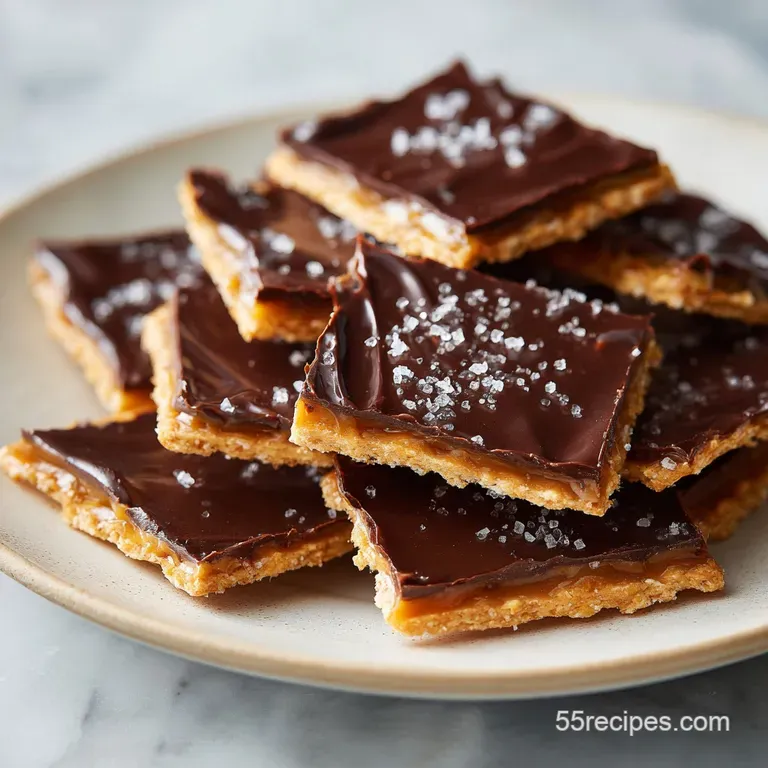
- The Toffee Pour: Pour the hot mixture evenly over the crackers. Use a spatula to spread it until every corner of every cracker is coated.
- The Thermal Fuse: Bake for 5 minutes until the toffee is vigorously bubbling and darkens slightly.
- The Chocolate Layer: Remove from the oven and immediately sprinkle the chocolate chips over the hot toffee. Let them sit for 2 minutes until they appear shiny and soft.
- The Velvety Spread: Use your spatula to spread the melted chocolate into an even layer.
- The Final Garnish: Sprinkle the toasted pecans and flaky sea salt over the wet chocolate. Let it cool at room temperature before transferring to the fridge for 2 hours until the toffee is set and brittle.
The cooling phase is where the "crack" is born. If you try to cut it too early, you'll end up with a sticky mess. Patience is your best friend here. For another recipe that relies on a satisfying crunch, check out The Crispy Deep recipe which uses a completely different technique to achieve a similar shatter effect.
Solving Common Toffee Cooking Problems
Why Your Butter and Sugar Separated
This usually happens if the heat is too high or if you’re using a thin bottomed pan. If you see a pool of yellow oil sitting on top of the brown sugar, the emulsion has broken.
You can sometimes save it by adding a tablespoon of boiling water and whisking vigorously, but it’s best to prevent it by keeping the heat at a steady medium.
Why Is My Toffee Grainy Instead of Smooth?
Graininess is caused by sugar crystals re forming. This often happens if you stir the boiling mixture too much or if there are undissolved sugar crystals on the side of the pot. To avoid this, make sure the sugar is fully dissolved before the mixture reaches a full boil, and then leave it alone to do its thing.
| Problem | Root Cause | Solution |
|---|---|---|
| Soft/Soggy Cracker | Underbaked toffee | Ensure the full 5 minute oven bake at 400°F. |
| Burned Bottoms | Rack too low in oven | Bake on the middle or upper middle rack. |
| Chocolate Won't Melt | Toffee cooled too fast | Pop the pan back in the warm (turned off) oven for 30 seconds. |
Common Mistakes Checklist
- ✓ Never use low-fat "buttery spreads" or margarine; the water content will make the crackers soggy.
- ✓ Don't skip the parchment paper, or you'll be chiseling toffee off your pan for an hour.
- ✓ Watch the clock! A 2 minute boil is too short (sticky), and a 4 minute boil might burn.
- ✓ Always toast your pecans beforehand to unlock their oils and enhance the crunch.
- ✓ Let the pan cool completely to room temperature before putting it in the fridge to prevent condensation.
Exciting Flavor and Topping Variations
If you want to step away from the classic version, the options are nearly endless. I once made a "White Chocolate Pretzel" version using crushed pretzels instead of pecans and white chocolate chips. It was shockingly good, though much sweeter than the semi sweet version.
- The Midnight Version: Use extra dark chocolate and top with dried espresso powder and crushed cocoa nibs for a sophisticated, bitter sweet profile.
- The Tropical Twist: Swap the pecans for toasted macadamia nuts and shredded coconut.
- The Heat Wave: Add a pinch of cayenne pepper or ancho chili powder to the chocolate for a slow burn finish.
- If you want a cleaner break: Score the chocolate with a knife about 30 minutes into the fridge cooling time.
- If you want a thicker treat: Use graham crackers instead of saltines; they are sturdier and add a honey like depth.
- If you want a "Bark" style: Double the chocolate chips for a heavy, indulgent top layer.
Storing and Reheating Your Treats
Because of the high fat and sugar content, this recipe for saltine crack stays fresh for a surprisingly long time. You can store the broken pieces in an airtight container at room temperature for up to 5 days, but I highly recommend keeping them in the fridge.
The cold temperature maintains that "shatter" texture that makes this dessert so famous. In the fridge, it will last for 2 weeks if you have that kind of willpower.
For long term storage, this freezes beautifully. Place the pieces in a single layer on a tray to freeze them solid, then transfer them to a heavy duty freezer bag. They will stay perfect for up to 3 months. You don't even need to thaw them; they are actually quite fantastic eaten straight from the freezer.
As for zero waste, don't throw away the tiny crumbs and "dust" at the bottom of the pan! Those salty sweet bits are gold. I save them in a small jar and use them as a topping for vanilla bean ice cream or fold them into a batch of brownie batter.
It adds a crunchy, toffee flavored surprise to otherwise standard desserts.
Best Ways to Serve Crack
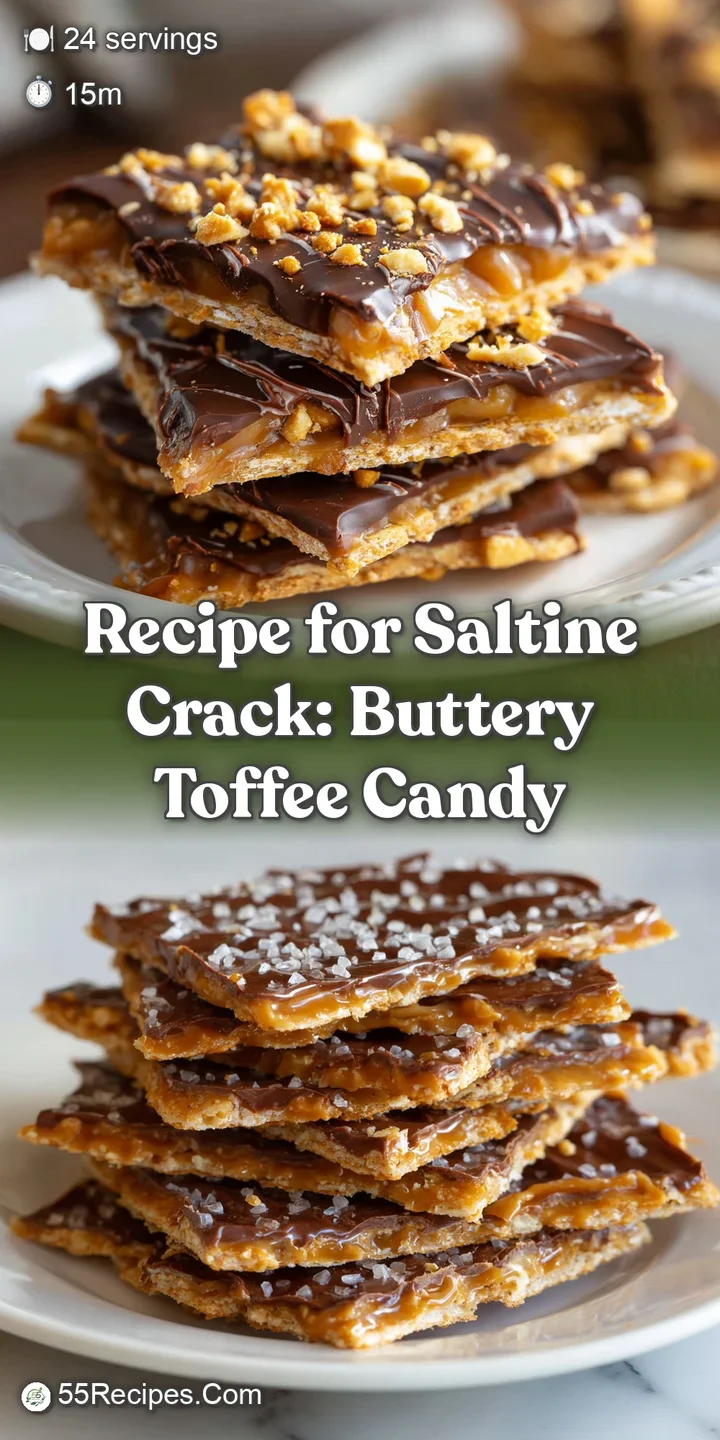
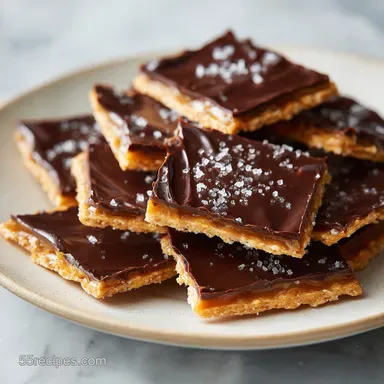
Presentation is everything when it comes to "crack." Instead of cutting perfect squares, I prefer to break the sheet by hand into irregular, jagged shards. It looks more artisanal and emphasizes the "cracked" nature of the dish.
Pile the shards high on a wooden serving board or in a glass bowl to showcase the layers of cracker, toffee, and chocolate.
If you're serving this at a party, it pairs wonderfully with a sharp espresso or a cold glass of milk. For a more "adult" pairing, try it alongside a smoky bourbon or a dark stout. The bitterness of the drink cuts through the intense sweetness of the dark brown sugar and semi sweet chocolate perfectly.
Honestly, this isn't just a holiday recipe. It’s a "it’s Tuesday and I deserve something crunchy" recipe. It uses things you probably already have in your pantry, takes less time than a trip to the store, and delivers a flavor profile that punches way above its weight class.
Give it a go, and don't be surprised when your friends start asking for the "secret" recipe.
Recipe FAQs
Can I use salted butter instead of unsalted butter in the toffee?
Yes, but reduce the added salt. If you use salted butter, omit the extra sea salt listed in the recipe to prevent the final product from becoming overly savory.
How long must the sugar and butter boil for the correct texture?
Boil for exactly three minutes. This brief, intense boiling time is crucial as it evaporates just enough moisture to reach the brittle "soft crack" stage necessary for a sharp snap.
How to ensure the toffee mixture spreads evenly over the crackers?
Pour the hot mixture over the crackers immediately after removing it from the heat. Use an offset spatula to quickly guide the toffee into all the spaces between the crackers before it begins to set.
Is it true you must let the toffee cool completely at room temperature before chilling?
Yes, this step is vital for texture integrity. Allowing it to cool slightly at room temperature helps the chocolate layer melt evenly and prevents condensation from forming when you later move it to the refrigerator.
What is the best way to prevent the chocolate from scorching when melting it on top?
Sprinkle the chips immediately after removing the pan from the oven. The residual heat from the baked toffee is enough to melt the chips into a glossy pool without needing direct oven heat or microwave intervention.
What happens if I use a thin saucepan instead of a heavy bottomed one?
The toffee will likely scorch and become grainy. Thin pans create hot spots that burn the sugar before the butter fully emulsifies, leading to a grainy, separated texture rather than a smooth caramel base.
Can I substitute the dark brown sugar for granulated white sugar?
No, the flavor will be significantly compromised. Dark brown sugar provides the necessary molasses content for the deep, rich caramel flavor and color you want; granulated sugar creates a much lighter, less complex syrup that doesn't match the recipe's profile. If you enjoy deep caramel flavor science, review the same principles in our Rusty Nail recipe to see how depth of flavor is built.
Saltine Crack Recipe
Ingredients:
Instructions:
Nutrition Facts:
| Calories | 162 kcal |
|---|---|
| Protein | 1.0 g |
| Fat | 11.4 g |
| Carbs | 15.2 g |
| Fiber | 0.8 g |
| Sugar | 10.8 g |
| Sodium | 146 mg |
